by admin | Oct 18, 2026 | Home & Garden
Maintaining a pristine garden or landscape requires more than just planted flowers or trimmed shrubs; it involves consistent attention to the foundations that keep unwanted plants at bay. Among these foundational elements, weed barriers play an essential role in controlling invasive vegetation, preserving soil health, and promoting the aesthetic appeal of outdoor spaces. Proper weed barrier maintenance and repair not only extend the lifespan of these materials but also ensure their effectiveness in preventing weeds from encroaching upon desirable plants.
A weed barrier is often made from woven fabric, plastic sheeting, or other permeable materials designed to block sunlight and minimize weed growth while allowing water and nutrients to infiltrate the soil. Over time, however, factors like weather exposure, root penetration, shifting soil, and frequent foot traffic can degrade or damage these barriers. When this happens, the protective shield weakens, and weeds begin to break through, threatening the health and appearance of the garden bed. Regular inspections and timely repairs help maintain the barrier’s integrity, significantly reducing weed proliferation and the need for chemical interventions.
Routine maintenance begins with visual examinations of the barrier surface. Look for signs of tearing, holes, or fraying edges, as well as areas where soil or mulch has eroded or shifted, exposing the underlying fabric. These vulnerabilities typically occur around high-stress points such as pathway edges, spots where plants have grown through pre-existing slits, and locations disturbed by pets, wildlife, or human activity. Early detection allows homeowners and gardeners to address minor issues before they escalate into widespread breaches that compromise the entire weed control system.
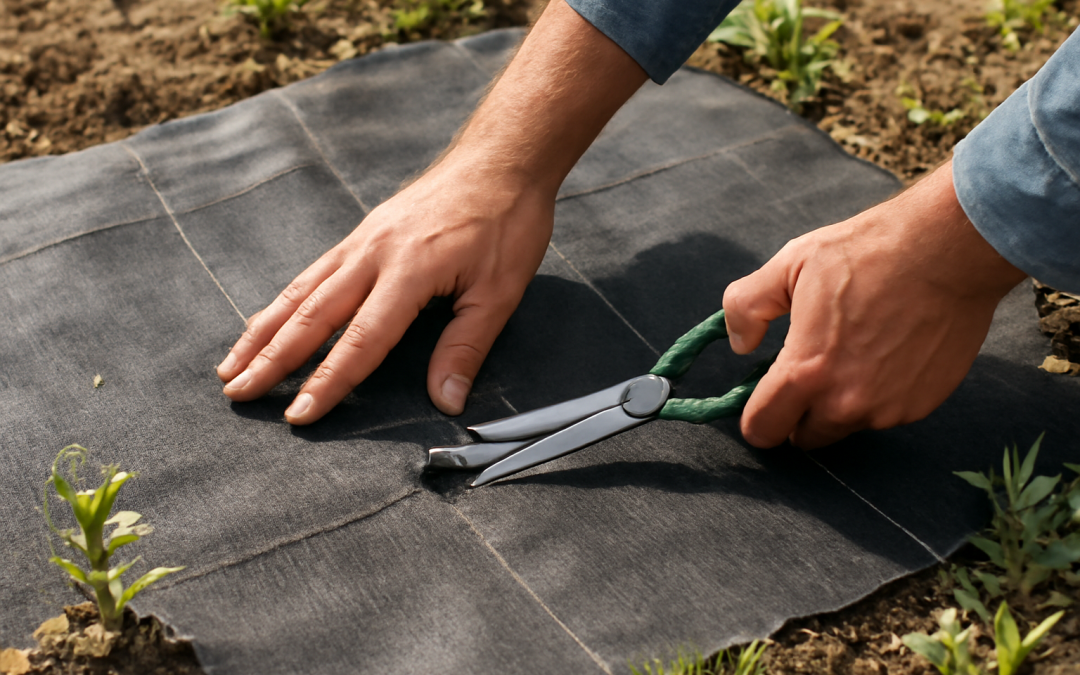
When small tears or holes are discovered, patching the fabric promptly is crucial. A repair patch can often be made from leftover weed barrier material or from specialized repair kits available at garden centers. The patch should overlap the damaged area by several inches on all sides to ensure full coverage, and secure attachment is necessary either by using landscape staples, adhesive tape designed for outdoor use, or pinning down with mulch or soil. It is important to use materials that maintain the original barrier’s permeability to avoid trapping moisture and creating conditions favorable for mold growth or plant root rot.
Besides directly repairing the fabric, maintaining an effective weed barrier also means managing the surrounding environment to reduce stress and physical damage. Mulching on top of the barrier helps regulate soil temperature, retain moisture, and shield the material from ultraviolet rays which gradually weaken synthetic fabric. However, mulch itself must be replenished periodically, as decomposing organic matter settles and loosens, exposing the barrier. Regularly refreshing mulch not only preserves the barrier but also enhances the overall health of the soil and plants.
Handling plant growth around the edges and through the barrier is another critical aspect. Many gardeners cut slits in the fabric to accommodate established shrubs or flowers, but these cuts often widen over time, allowing weeds to invade. Keeping these slit areas clean means trimming back plant roots and removing seedlings promptly. In some cases, gardening professionals recommend using a specialized herbicide around the perimeter of the openings to keep weeds at bay without harming the desired plants.
When it comes to larger-scale damage, such as widespread tearing or areas where the barrier has become completely ineffective, removal and replacement might be the best course of action. This process can be labor-intensive but is ultimately necessary for restoring long-term weed control. Begin by clearing away organic debris, mulch, and plants growing on the compromised area. Carefully peel back the existing barrier, taking care to minimize disturbance to rooted plants. After clearing and leveling the soil, lay down a new layer of weed barrier, anchoring it securely to prevent shifting. Applying fresh mulch over the barrier completes the restoration and ensures a durable defense against invasive growth.
While maintaining and repairing an existing weed barrier, it is beneficial to assess whether the current installation method or material selection is meeting environmental and gardening needs. Technological advances have led to the development of more durable and eco-friendly fabrics that resist UV degradation, allow better moisture flow, and discourage weed sprouting more effectively. Choosing a high-quality barrier initially reduces the frequency of repairs and replacement, lowering the overall maintenance workload.
Another important consideration in upkeep is the climatic conditions of the region. In areas subject to frequent heavy rains or frost, soil movement can be more pronounced, causing the barrier to shift or develop gaps. Adjusting maintenance schedules to inspect the barriers after extreme weather events prevents unnoticed damage from becoming entrenched problems. In drought-prone regions, ensuring the barrier allows adequate water infiltration helps plants maintain necessary hydration, while still restricting weed growth.
Regular maintenance must also take into account the potential impact of pests. Burrowing animals, such as moles or voles, may dig beneath barriers, creating tunnels that lead to disruption and openings for weeds. To discourage these activities, gardeners can install physical deterrents beneath the barrier or use native plants that repel pests. Observing the garden for signs of pest activity and addressing problems early is vital to preserving the effectiveness of the weed control system.
The integration of weed barriers with other garden care strategies enhances their overall effectiveness and longevity. For instance, combining physical barriers with manual weeding and selective mulching builds a multifaceted defense that reduces reliance on synthetic chemicals. Additionally, the use of ground cover plants between or alongside weed barriers can shade the soil, maintaining moisture and preventing weed seeds from germinating. This combination of methods promotes ecological balance and sustainable landscape management.
Education and awareness are fundamental in maintaining weed barriers. Many homeowners are unaware that a well-installed barrier still requires ongoing attention. Understanding the specific needs of the material used, the garden’s unique environmental conditions, and how to recognize early signs of deterioration can significantly impact the success of any weed control effort. By investing time in routine checks, repairs, and environmental adjustments, gardeners improve the resilience and beauty of their outdoor spaces.
Ultimately, the goal of maintaining and repairing weed barriers transcends mere aesthetics. When properly cared for, these barriers protect soil structure, prevent erosion, conserve water, and minimize labor-intensive weeding. They also contribute to healthier plant growth, as invasive weeds no longer compete for resources. The cumulative effect of diligent maintenance is a garden that requires less chemical input, withstands environmental stresses more robustly, and provides a more enjoyable and sustainable outdoor environment.
In conclusion, maintaining and repairing weed barriers is an essential, ongoing task that demands careful observation and timely intervention. Through regular inspections, patching small tears, managing plant growth and mulch, addressing pest issues, and sometimes replacing damaged sections, gardeners ensure that these barriers function optimally over many seasons. The investment of effort in upkeep reap numerous rewards, including reduced weed problems, healthier plants, and a more attractive landscape. The effectiveness of weed barriers depends not just on their initial installation but on continued vigilance and care—an essential philosophy for any thriving garden or landscaped area.
by admin | Oct 17, 2026 | Home & Garden
A well-maintained garden edging not only enhances the overall appearance of your landscape but also serves practical purposes such as defining garden beds, preventing grass encroachment, and controlling soil erosion. Proper attention to garden edging maintenance can prolong its lifespan, keep it looking sharp, and ensure it continues to function effectively in your garden. Whether you have metal, plastic, wood, stone, or brick edging, understanding how to care for and maintain these materials will help you avoid costly repairs and replacements.
One of the most essential steps to maintaining garden edging is routine inspection. Periodically checking the condition of your edging allows you to identify and address issues early, such as displacement, cracking, or rotting. For example, wooden edging may suffer from rot or insect damage, while plastic edging can become brittle and crack over time due to exposure to sunlight and weather. Stone or brick edging might shift or settle unevenly. A thorough inspection ensures you catch these problems before they worsen and affect the garden structure.
Cleaning your garden edging is equally important to maintain its aesthetic appeal and prevent materials from degrading over time. Dirt, moss, algae, and weeds commonly accumulate along garden borders, creating untidy edges and potentially damaging the materials. For metal or plastic edging, a simple wash using water and a gentle detergent can effectively remove grime. Wooden edging may benefit from light sanding and the application of protective sealants to prevent moisture penetration. Stone and brick edging often require scrubbing with a stiff brush and occasional use of specialized cleaners to tackle moss and mildew buildup.
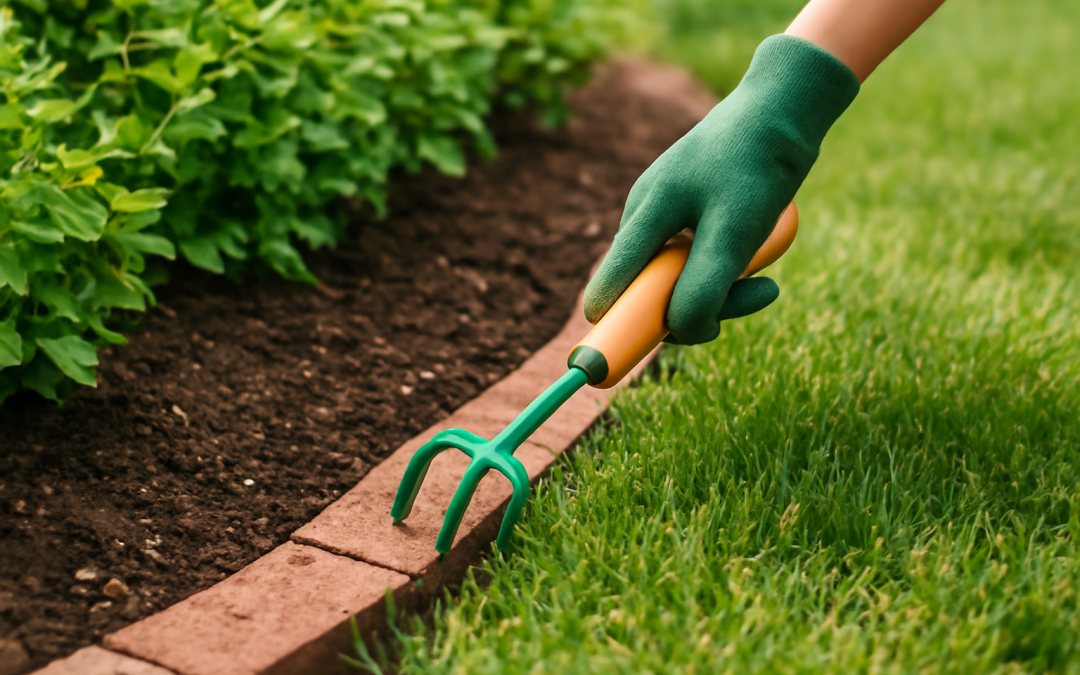
Weed control plays a significant role in garden edging maintenance because weeds not only detract from the neatness of garden lines but can also disrupt edging materials by growing underneath and pushing them out of place. Using a weed barrier fabric beneath the edging during installation can greatly reduce weed growth. However, persistent weeds may still sprout around the edges. Regularly pulling weeds by hand or carefully applying targeted herbicides helps keep the growth in check without harming surrounding plants.
Adjusting and realigning edging is a common maintenance task, especially after heavy rain, freeze-thaw cycles, or physical impacts. Soil movement and garden activity can cause edging pieces to shift, creating uneven borders or gaps. Wooden stakes might become loose, metal strips bent, or stones displaced. To maintain a crisp edge, it’s important to reset any moved pieces promptly, ensuring they are firmly anchored. In some cases, additional supports such as landscape spikes or cement may be necessary to stabilize edging components.
For wooden garden edging, treating the wood with preservatives or sealants is essential for longevity. Exposure to moisture and insects can quickly degrade untreated wood, leading to splintering, discoloration, or decay. Annual application of wood sealant or stain tailored for outdoor use provides a protective barrier against moisture and UV rays. If you notice any signs of rot or damage, promptly replacing affected sections prevents problems from spreading to adjacent boards.
Metal edging requires its own special attention to prevent rust and corrosion. While many metal edgings are made from galvanized steel or aluminum to resist rust, constant exposure to moisture can still cause deterioration. Cleaning the metal surface regularly to remove dirt and moisture, and applying rust-inhibiting paint or coatings as necessary, prolongs the material’s life. If rust spots do appear, sanding them down before reapplying protective layers can stop the corrosion from advancing.
Plastic garden edging, often used for its ease of installation and flexibility, can become brittle and cracked over time, particularly when exposed to extreme temperatures or UV rays. To maintain its appearance and function, it is best to inspect plastic edging annually for damage. In cases where sections are cracked or warped, replacing those segments prevents unsightly gaps and ensures the barrier remains intact. Additionally, securing the plastic firmly into the ground can prevent warping caused by soil movement.
For natural stone or brick edging, maintaining the joints and preventing shifting stones is critical. Over time, mortar or polymeric sand between bricks and stones may erode or wash away, leading to instability. Regular inspection of the joints allows you to reapply mortar or sand as needed, ensuring the edging remains secure and neat. Additionally, removing moss and algae growth with suitable cleaners helps keep stones slip-free and visually appealing.
In addition to addressing visible maintenance concerns, seasonal preparation is a helpful strategy for preserving garden edging. Before the onset of winter, clearing debris, pruning nearby plants, and checking for any loose edging components can minimize weather-related damage. Frozen ground and snow accumulation often exacerbate uneven settling or cause breakage. Likewise, spring maintenance involves cleaning away winter debris, resetting any displaced edging, and applying protective treatments.
Another important consideration is the interaction between edging and irrigation or landscaping activities. Sprinkler systems that spray directly onto edging can cause excess moisture buildup, accelerating material wear. Adjusting irrigation to minimize water contact with edging or choosing materials resistant to water damage can reduce maintenance needs. When gardening or lawn mowing near the edging, take care to avoid hitting or dislodging the garden borders, as frequent impacts can lead to misalignment or damage.
In some cases, integrating edging maintenance with overall garden care ensures a more streamlined and effective approach. Regular mulching within beds can reduce weed pressure adjacent to edging, while trimming back overgrown plants prevents them from encroaching onto borders. Periodically adding fresh soil or compost behind the edging helps maintain correct bed height and prevents soil from spilling over pathways or lawn areas.
Maintenance supplies suited to your specific edging material make the process more efficient and yield better results. Using appropriate tools for cleaning, such as plastic scrapers for delicate edges or wire brushes for metal, prevents unnecessary damage. Selecting high-quality sealants, preservatives, or protective coatings formulated for outdoor garden use promotes durability. Having a small stock of replacement parts, like wooden stakes or edging clips, allows for quick fixes without delaying repairs.
Lastly, understanding when to replace garden edging entirely is just as crucial as performing routine upkeep. Even the best-maintained materials succumb to wear and age eventually. Indicators such as widespread cracking, extensive rot, rust holes, or persistent shifting that cannot be corrected by simple repairs signal that replacement is necessary. Replacing garden edging with materials better suited to your climate and garden style can improve both longevity and aesthetics moving forward.
Gardening enthusiasts who invest time and effort into regular garden edging maintenance will be rewarded with a landscape that looks tidy, feels structured, and functions properly. The boundaries created by well-kept edging help plants thrive by defining growing spaces and protecting soil, while preventing lawn and garden areas from blending together. With careful attention to cleaning, weed control, realignment, and treatment tailored to the particular edging material, garden borders will maintain their beauty and durability year after year.
In summary, proactive care of garden edging involves a mix of regular inspections, cleaning routines, material-specific treatments, and timely repairs or replacements. Managing problems such as weed invasions, material weathering, and displacement conserves the integrity of your garden design. Seasonal preparation and mindful interaction between edging and other garden elements further enhance maintenance efforts. By embracing these practices, your garden edging can remain a strong, attractive, and functional feature that sets your outdoor space apart for many seasons to come.
by admin | Oct 16, 2026 | Home & Garden
Collecting rainwater in barrels is an eco-friendly and cost-effective way to conserve water, reduce runoff, and nurture gardens. However, without proper upkeep, rain barrels can become clogged or contaminated, leading to unpleasant odors, reduced water quality, or even damage to the barrel itself. Regular cleaning and care ensure that the collected water remains clean, the barrel functions efficiently, and the system lasts for years. Understanding the best practices for maintaining a rain barrel will help you get the most out of your rainwater harvesting system while promoting healthier outdoor spaces.
The importance of regular maintenance for a rain barrel cannot be overstated. Leaves, dirt, algae, and other debris naturally accumulate in the container, especially during heavy rainfall or when positioned near trees and plants. These materials not only block the inlet and outlet screens but also create an environment conducive to mosquito breeding. Stagnant water inside unclean barrels attracts mosquitoes, which can pose serious health risks. Frequent inspection and cleaning prevent these problems by keeping the water fresh and the barrel operational.
Start the maintenance process by examining the entire rain barrel system, including the gutters and downspouts feeding it. Clogged gutters can introduce excessive debris and dirt into the barrel, accelerating blockages. Before cleaning the barrel itself, clear away accumulated leaves, twigs, and other matter from your gutters and the screen or filter at the top of the barrel. This minor preventative measure significantly extends the intervals between full cleanings.
Once the input flow is clear, the next step is to drain the barrel completely. Many rain barrels come with a spigot or drain valve at the bottom—open this to empty all the water. If your barrel lacks a drainage feature, simply tip it on its side carefully to pour out the water. After draining, gently rinse the inside with a garden hose to remove loose particles and sediment.
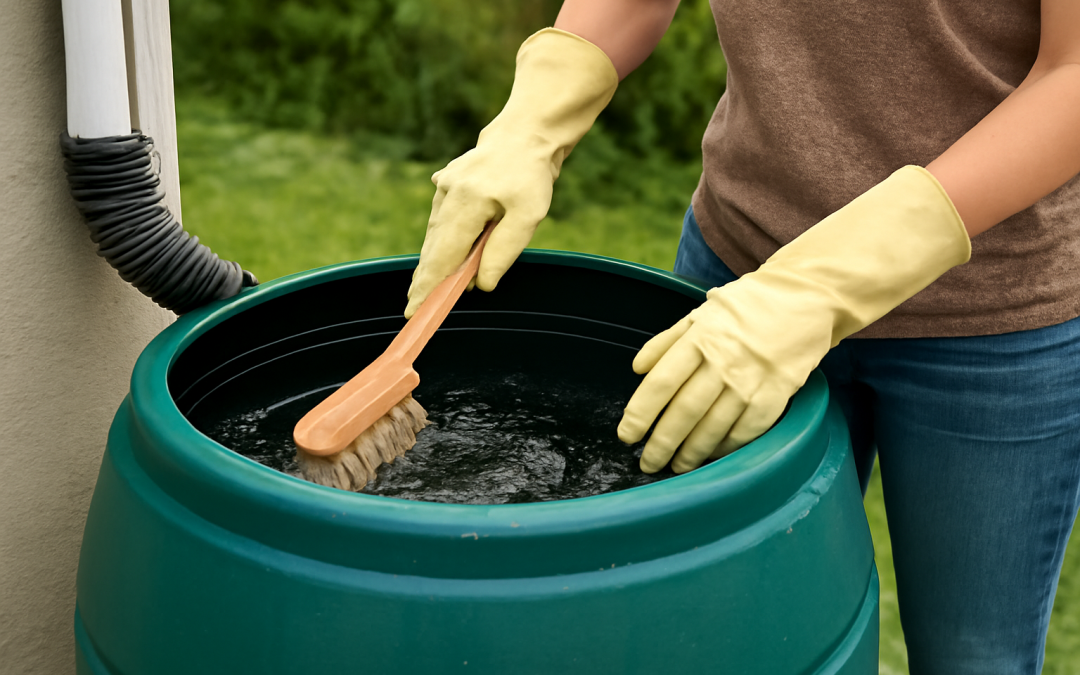
For more thorough cleaning, a mild detergent or white vinegar solution can be used inside the barrel. To make a cleaning solution, mix water with about one cup of white vinegar per gallon or a few drops of an environmentally friendly dish soap. Avoid harsh chemical cleaners, as they can leave residues that contaminate the collected water or damage the barrel’s material. Use a long-handled brush or a soft scrubber to reach all sides inside the barrel, gently scrubbing away dirt, algae, and mold.
Once scrubbed, rinse the barrel several times with clean water to ensure no cleaning agents remain. These agents can interfere with the quality of the rainwater if left behind. Let the barrel dry completely in the sun before refilling it to prevent the growth of algae and bacteria. Sunlight serves as a natural disinfectant, helping inhibit microbial growth that might affect water quality.
Annual deep cleaning is advisable even if regular maintenance is performed. Toward the end of the rainy season or early in the dry season, empty the barrel and clean it thoroughly. Inspect for any wear, cracks, or damage to screens, spigots, and the barrel’s body. Replace or repair faulty components to maintain the system’s integrity. During this deep cleaning, also check for rust if the barrel is made of metal and address it promptly.
Proper winter care is essential in colder climates where water left inside the barrel can freeze, causing expansion and potential damage. Before temperatures drop, the barrel should be emptied and disconnected from the rainwater collection system. Store it in a sheltered area or upside down outdoors to allow rain to wash off dirt and minimize mold growth. Cleaning the barrel before storing ensures it’s ready for use when the rainy season returns.
Preventive care extends beyond cleaning. Installing fine mesh screens on the barrel’s inlet and outlet helps keep debris and insects out. Consistently clearing the roof and gutters feeding your rain barrel system is crucial to minimize the load of contaminants entering the barrel. Using covers helps prevent mosquitoes from entering, further enhancing water quality and reducing health risks.
One common problem faced by many rain barrel owners is algae growth. Because rain barrels are often placed in the sun, algae thrive in nutrient-rich water contained in translucent or semi-transparent barrels. To limit algae growth, consider using a barrel made of dark-colored plastic that blocks sunlight. Positioning the barrel in shaded areas or using barrel lids and covers also reduce sunlight exposure. Cleaning also plays a critical role in controlling algae; regular scrubbing removes it before it has a chance to spread extensively.
Monitoring water quality is an important part of rain barrel care. If you notice unusual cloudiness, foul odors, or the presence of pests like mosquito larvae, it’s time for cleaning. Although water collected from rainwater harvesting systems is usually not potable without treatment, maintaining good water quality extends usability for garden irrigation, car washing, and other non-drinking purposes.
Storage solutions and barrel placement influence cleaning frequency and care requirements. Barrels placed under large, leafy trees tend to get dirtier and require more attention than those receiving water only from clean gutters and roofs with minimal surrounding foliage. Choosing an ideal location can reduce maintenance efforts significantly. Elevating the barrel on a stand allows for easier access to spigots and cleaning, and prevents ground-level contamination.
Besides physical cleaning and care, addressing the entire rainwater system holistically improves longevity and performance. This includes inspecting gutters, downspouts, and first-flush diverters if installed. First-flush diverters divert initial runoff carrying the most contaminating debris away from the barrel. Keeping these components clean and functional ensures that only cleaner water enters the barrel, reducing clogging and contamination risks.
The material of the rain barrel affects how cleaning and care should be conducted. Plastic barrels are lighter and easier to clean than metal barrels but may degrade over time due to ultraviolet exposure. Metal barrels may require rust prevention treatments and more careful handling during cleaning to avoid scratching or denting. Familiarize yourself with the manufacturer’s guidelines to maximize the life of your specific rain barrel type.
In addition to regular cleaning, periodic sanitizing may be recommended in certain situations, especially if the water is used for delicate plants or if bacterial contamination is suspected. Proper sanitizing agents, such as a dilute bleach solution, can disinfect the barrel effectively but must be thoroughly rinsed afterward to prevent residual harm. Using sanitizers sparingly and only when necessary helps maintain a balance of beneficial microbes while preventing harmful organisms from multiplying.
Maintenance routines that become habits encourage consistent care and better outcomes. Setting a schedule for rain barrel cleaning—monthly during high rainfall seasons and quarterly in drier months—ensures that barrels remain functional and water quality stays high. Keeping a maintenance log or reminder can simplify this process and prevent neglect.
Educating all household members involved in gardening or water collection about rain barrel care promotes shared responsibility. Understanding why the barrels must be cleaned regularly and what consequences neglect can cause motivates everyone to contribute. Sharing tips on how to check for issues and perform simple cleaning tasks increases the system’s overall efficiency.
Beyond the technical and practical aspects, proper care also preserves the environmental benefits gained from rainwater harvesting. Clean rain barrels reduce water wastage, minimize soil erosion caused by runoff, and create healthier landscapes. They support sustainable gardening practices and lessen dependence on municipal water supplies, yielding cost savings and ecological gains.
In some regions, municipalities or environmental organizations offer guidance or assistance with rain barrel maintenance, including workshops or free cleaning products. Taking advantage of these resources can improve your care routine and connect you with a community of like-minded conservationists. Additionally, staying updated on best practices through reliable sources helps adapt to changing environmental conditions.
Optimizing filtration is another dimension of care that enhances rain barrel usability. Installing pre-filters or leaf guards reduces the debris entering the barrel, which lessens cleaning frequency and minimizes sludge buildup. Clean water allows you to use rain barrel water for a wider variety of purposes without additional treatment.
As rain barrel care involves physical labor and time, investing in durable tools and accessories, such as brushes, hoses with adjustable nozzles, and replacement screens, facilitates effective cleaning. Keeping these tools clean and stored properly also extends their usefulness.
Finally, recognizing when a rain barrel has reached the end of its service life is part of responsible care. Signs such as extensive cracks, persistent odors despite cleaning, or leaking may mean replacement is necessary. Recycling or properly disposing of damaged barrels aligns with the environmental ethos of rainwater harvesting.
With commitment and consistent effort, rain barrel cleaning and care transform what could be a simple container into a sustainable water resource that benefits gardens, homeowners, and the planet alike. Maintaining clean, functional rain barrels maximizes their potential and ensures the beauty and productivity of green spaces flourish season after season.
by admin | Oct 15, 2026 | Home & Garden
Effective drainage is essential for maintaining the health and stability of any landscape, especially in areas prone to excessive rainfall or poor soil drainage. A French drain serves as a reliable solution, channeling water away from critical zones like foundations, gardens, and low-lying areas. However, like any drainage system, it requires regular upkeep to function optimally and prevent costly damage. Understanding how to properly care for a French drainage system can significantly extend its lifespan and ensure it continues to protect your property from water-related issues.
One of the most important aspects of maintaining a French drain is routine inspection. Seasonal changes, particularly in the spring and after heavy storms, can introduce new challenges such as sediment buildup or blockages. Homeowners should inspect the outflow areas for signs of water pooling or poor drainage. This visual check can reveal whether the system is effectively redirecting water or if there are areas where water stands, indicating potential clogs or damage within the system. It is also critical to look for signs of erosion around the drain, as this can compromise its structural integrity.
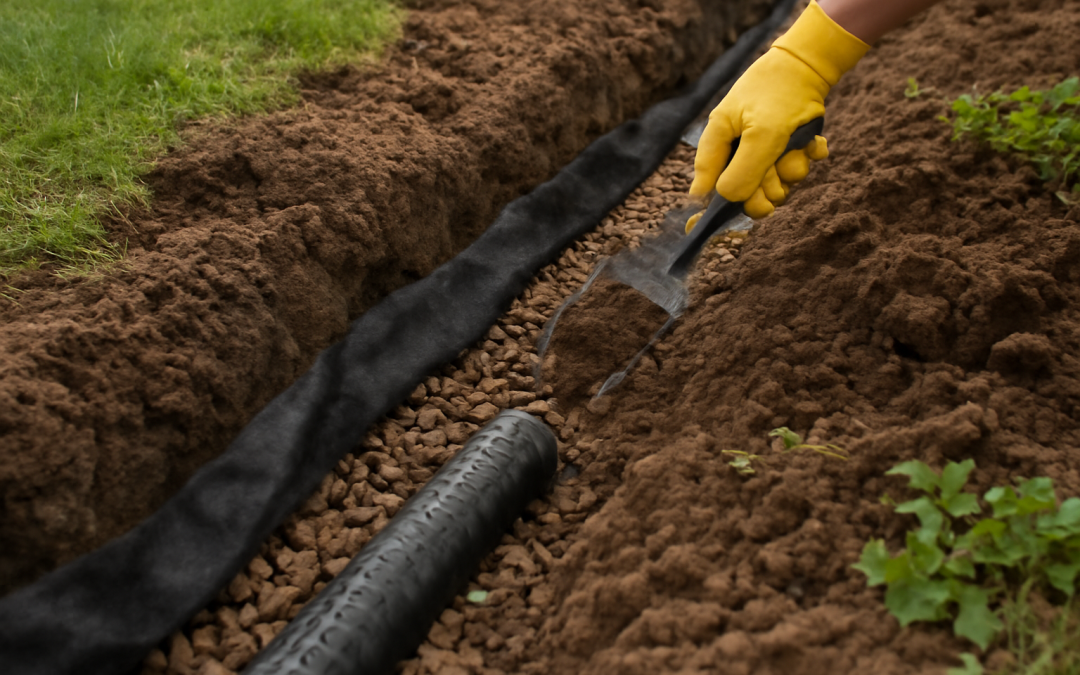
Sediment accumulation is a common issue that can impair the function of a French drain. Over time, dirt, leaves, and other debris can enter the trench, filling the gravel and clogging the perforated pipe that carries water away. Routine cleaning involves removing any visible debris from the surface and flushing the pipe with a garden hose to dislodge trapped materials. In some cases, it may be necessary to excavate small sections to clean or replace clogged gravel and check pipe conditions thoroughly. Preventative measures, such as installing a filter fabric around the drain, can help minimize sediment infiltration.
Vegetation management is another crucial part of the upkeep process. While surrounding plants can stabilize soil and reduce erosion, roots can sometimes invade the drain system, leading to blockages. It is advisable to plant non-invasive ground covers or grasses around the drainage area rather than trees or shrubs with aggressive root systems. If roots manage to penetrate the pipe, they must be removed promptly, often requiring professional assistance to avoid damaging the drainage infrastructure. Regularly trimming back overgrown vegetation ensures that the French drain remains accessible for maintenance and inspection.
Proper grading and soil conditions around the French drain directly influence its effectiveness. Soil erosion or compaction can disrupt the natural flow of water toward the drain, reducing its efficiency. Periodically, the area surrounding the system should be regraded to promote optimal water flow. Maintaining a gentle slope away from foundations and toward the drainage outlet is essential. Additionally, the soil’s porosity should be checked; highly compacted soils may necessitate aeration or the addition of soil amendments to enhance water permeability, ensuring water moves freely through the drain’s gravel bed rather than pooling on the surface.
Drain covers and catch basins also require attention. These components trap larger debris and prevent it from entering the pipe system. Over time, they can become clogged with leaves, twigs, and other materials, hindering water flow. Maintaining these parts involves regular clearing and washing. Failing to keep catch basins clean can cause water to back up into the system, increasing the risk of flooding or damage. Ensuring these elements are clear also helps identify potential sources of debris and may give a clearer indication of when more thorough system maintenance is required.
Climate conditions significantly impact the maintenance routines needed for a French drain. In areas with freezing winters, water inside the pipe can freeze, causing blockages or even pipe damage due to expansion. To mitigate this, drainage systems should be installed below the frost line whenever possible. During cold months, inspections should include checks for ice buildup at outflow points and general functionality despite freezing temperatures. In warmer, wetter climates, the frequency of inspections might increase to address faster vegetation growth and more substantial sediment accumulation.
In cases where unexpected drainage problems occur, it may be necessary to investigate deeper issues within the system. A professional plumber or drainage expert can use specialized camera equipment to inspect the interior of the pipes without excavation. This technology allows for precise identification of blockages, root intrusion, or collapse. Based on these findings, appropriate repair actions can be taken, such as pipe replacement, cleaning with hydro-jetting, or chemical root treatment. Regular professional inspections every few years can help catch problems before they escalate, extending the functionality of the entire drainage setup.
Installing enhancements or modifications might also be considered during maintenance to improve system performance. For example, adding additional gravel layers or upgrading to higher quality perforated piping materials can increase durability and efficiency. Installing a sump pump in conjunction with a French drain can be particularly beneficial for properties with high water tables or frequent water accumulation issues. However, any modifications should be carefully planned to ensure they complement the existing system without causing unintended drainage problems.
Water runoff management on the surface should not be overlooked when considering French drain maintenance. Properly directing roof gutters, downspouts, and surface water away from vulnerable areas lessens the burden on the French drain system. Cleaning gutters regularly and ensuring downspouts direct water into areas where it can be safely absorbed or channeled prevent unnecessary water overload. Sometimes, redirecting runoff away from the drain outlet can avoid erosion or flooding issues. A comprehensive approach to water management around the home protects both the drainage system and the surrounding landscape.
Preventative care and timely response to issues are critical. Ignoring early signs of malfunction can lead to larger problems such as foundation damage, structural instability, and landscape degradation. Understanding the signs of a failing French drain, such as persistent puddling, foul odors from stagnant water, or unusually lush vegetation growth near the system, can prompt immediate investigation. Timely interventions save considerable costs in repairs and remediation compared to extensive overhaul or replacement caused by neglect.
In addition to physical inspections and cleanings, documenting maintenance activities and problem occurrences can be highly beneficial. Keeping a log of when cleaning was performed, inspections checked, and repairs made creates a useful history for future reference. This record assists homeowners and professionals in identifying patterns, seasonal concerns, or recurrent issues, enabling more targeted and effective maintenance. Over time, this practice contributes to better-informed decisions, extending the operational life of the French drain and protecting property investment.
Landscape alterations adjacent to a French drain should be approached cautiously. Excavations, planting large trees, or making significant changes to grading can disrupt the delicate balance of the drainage system. Before undertaking such projects, consulting with a landscape architect or drainage professional is advisable to ensure that changes support proper water movement rather than hinder it. Preventing damage from these types of activities is far easier and less expensive than restoring a compromised drainage system.
It’s also important to understand that maintenance frequency depends largely on environmental and site-specific factors. Properties in areas with dense foliage or those surrounded by multiple large trees may require more frequent clearing and inspection due to increased organic debris falling into the system. On the other hand, a home situated in open, grassy fields may need less frequent attention. Adapting maintenance schedules to the unique conditions of each location ensures resource efficiency and system reliability.
Some DIY maintenance tasks can be conducted by homeowners, such as removing visible surface debris, flushing pipes, and checking for water pooling. However, when deeper cleaning, pipe repairs, or root intrusion is suspected, it is prudent to call professionals. Certified drainage experts have access to specialized tools and knowledge that reduce the risk of damaging the system or missing hidden problems. Professional involvement also guarantees compliance with local regulations, particularly if repairs require excavation near utility lines or building foundations.
Understanding the materials used in French drain construction helps guide maintenance decisions. Most systems utilize perforated PVC or corrugated plastic pipes surrounded by gravel and a filter fabric. Over time, plastic pipes can become brittle or crushed by shifting soil, while filter fabric may degrade, allowing sediment to infiltrate the gravel. Routine inspections should evaluate the condition of these materials and, if necessary, sections may need replacement to restore full function. Knowing what components are present allows for targeted maintenance and avoids unnecessary work.
In some cases, upgrading an existing French drain might be more cost-effective than repeated repairs. Freestanding or surface-level drains can deteriorate faster, while fully buried systems with proper materials tend to last longer. Modern innovations in drainage materials and techniques offer improved durability and performance. When considering system improvements, weighing future maintenance requirements alongside initial installation costs helps homeowners make informed decisions that minimize long-term expenses and interruptions.
Maintaining the aesthetic value of the yard while caring for drainage is possible through thoughtful design choices. Gravel cover, landscape fabric, and planting choices around a French drain can be integrated into the overall landscape plan, ensuring that drainage functionality does not detract from curb appeal. Avoiding the accumulation of standing water also protects lawn and plant health, preventing mold or fungus growth associated with poor drainage. A well-maintained French drain not only safeguards structures but also enhances the beauty and usability of outdoor living spaces.
By keeping a French drain system well-maintained, property owners protect one of their most critical yet often overlooked infrastructure features. Consistent effort to inspect, clean, and repair ensures effective water diversion, preventing expensive damage to both the landscape and buildings. This proactive approach supports sustainable water management and contributes to the long-term stability and attractiveness of the property. Attention to detail and timely action transform a French drainage system from a passive feature into a reliable defender against water-related challenges.
Ultimately, the care invested in a drainage system reflects an understanding of its role in preserving the foundation of a home and the health of its surroundings. Adhering to regular maintenance schedules, addressing emerging issues promptly, and seeking professional guidance when needed creates a comprehensive strategy for successful drainage management. This attentiveness not only extends the life of the system but also provides peace of mind, knowing that water is effectively managed even during the most challenging weather conditions. The benefits of such diligence far outweigh the time and resources spent, making maintenance a worthwhile and indispensable aspect of property care.

by admin | Oct 14, 2026 | Home & Garden
Proper management of outdoor drainage systems is vital for protecting homes, gardens, and landscapes from water damage and erosion. Effective outdoor drain maintenance and clearing not only preserves the functionality of drainage systems but also prevents costly repairs and health hazards associated with water accumulation and stagnation. These systems often bear the brunt of seasonal changes, organic debris, and soil movement, making regular attention crucial for their longevity and efficiency.
Understanding the types of outdoor drains commonly encountered is the first step toward effective upkeep. Surface drains, such as channel drains and catch basins, primarily manage runoff by collecting water from patios, driveways, and landscaped areas. Subsurface drains, including French drains and perforated pipe systems, redirect water beneath the surface to avoid waterlogging and maintain soil stability. Each system requires specific care; however, the general principles of debris removal, inspection, and proper water flow control apply universally.
One of the most common causes of drainage problems is clogging from accumulated debris. Leaves, soil, mulch, and even small pieces of trash can build up and obstruct water flow. This blockage encourages standing water, which can damage foundations, promote insect breeding, and encourage mold growth. Routine clearing often involves physically removing visible debris and flushing out pipes with water to ensure unobstructed flow. Specialized tools such as drain rods, high-pressure water jets, or wet/dry vacuums may be necessary for stubborn clogs.
Seasonal changes greatly influence outdoor drainage performance. In the fall, falling leaves and organic matter pose significant risks of clogging. Winter introduces challenges such as freezing, which can cause drainage pipes to crack or become blocked by ice. In spring, melting snow and heavy rains increase water volume, emphasizing the necessity for clear and functional drains. Regular maintenance tailored to seasonal demands can mitigate many issues before they escalate.
Inspecting outdoor drains regularly is an essential practice that allows for early problem detection. Visual checks for standing water, slow drainage, and damaged grates should be conducted frequently, particularly after heavy rains. Sometimes blockages are not immediately visible but can be inferred from persistent water pooling or foul odors emanating from drain openings. A comprehensive inspection also includes checking for structural damages like cracks in drainage pipes, displaced fittings, or damaged catch basins that could undermine the system’s integrity.
Addressing drainage issues promptly prevents more extensive damage. When drains are suspected of clogging, a systematic approach involving manual cleaning should precede mechanical intervention. Removing surface debris can be done using gloves and tools such as drain sticks or a garden trowel. For deeper blockages, a plumber’s snake helps break up trapped materials. Avoid harsh chemicals unless absolutely necessary, as they can corrode pipes and harm surrounding vegetation. Instead, environmentally friendly solutions such as enzymatic drain cleaners are preferable.
In many cases, outdoor drain maintenance involves not only clearing blockages but also improving the overall drainage system design. Enhancing water flow through the installation of additional drains, adjusting slope grades, or extending piping can significantly improve drainage efficiency. For properties with frequent water accumulation, upgrading to more robust drainage solutions such as deeper French drains or larger capacity channel drains may be warranted. Consulting drainage professionals for complex modifications is advisable to ensure both performance and compliance with local regulations.
Preventative measures also play a crucial role in minimizing future drainage issues. Installing leaf guards and grates helps keep large debris out of drain openings, reducing the frequency of manual cleaning. Maintaining vegetation around drains prevents roots from infiltrating pipes, which can cause blockages and structural damage. Proper landscaping practices, such as grading land away from foundations and avoiding compacted soil near drainage areas, further enhance water runoff management.
Outdoor drainage maintenance extends beyond individual systems and often connects to broader stormwater management strategies. Property owners should be aware of municipal guidelines and environmental considerations, especially in areas prone to flooding. Proper disposal of waste removed from drains is essential to prevent pollution in local waterways. Awareness of water conservation principles can also guide decisions related to drainage system improvements, such as collecting and reusing rainwater through rain gardens or rain barrels.
Technology continues to improve the tools and methods available for outdoor drain maintenance and clearing. Advances in video inspection equipment allow for internal pipe examinations without excavation, enabling more accurate diagnosis and targeted interventions. Modern jetting machines use powerful streams of water to clear stubborn debris without damaging pipes. Additionally, the integration of smart sensors capable of monitoring water levels and flow rates provides real-time alerts for potential blockages or system failures, giving homeowners and professionals an edge in preventive care.
Proper knowledge of outdoor drain maintenance techniques can empower homeowners to extend the lifespan of their drainage systems and protect their properties from water-related damage. While basic clearing and inspection may be manageable without professional help, knowing when to seek expert assistance is critical. Complex blockages, pipe repairs, or upgrades to drain design often require specialized equipment and experience to ensure safe and effective results.
Environmental factors such as soil type significantly impact the performance of outdoor drains. Clay soils, for instance, retain water longer and increase the risk of surface flooding, necessitating tailored drainage designs that can expedite water movement. Sandy soils drain faster but are prone to erosion, making stable drain trenches and proper ground cover essential. Understanding these factors assists in choosing appropriate maintenance schedules and drainage solutions suited to local conditions.
Addressing common problems encountered during outdoor drain clearing requires practical solutions. Blockages caused by tree roots can often be managed with mechanical root cutting tools, though severe infestations might require pipe replacement with root-resistant materials. In areas prone to sediment build-up, regular flushing of pipes and catch basins prevents accumulation that gradually impairs flow. Repairing or replacing damaged grates and covers ensures safety and keeps debris from entering the drainage system.
Water pooling around drains is another frequent concern and often signals inadequate design or system failure. Improving surrounding surface grading to direct water toward drains and away from buildings is one straightforward remedy. In persistent cases, upgrading drainage capacity or installing additional drains may be needed. Homeowners should also be mindful of roof drainage systems, such as gutters and downspouts, as these affect the volume of water entering outdoor drains and should be maintained to complement ground drainage.
Maintenance timing and frequency depend on local climate, the extent of vegetation, and the condition of the drainage system. In regions with heavy tree cover, more frequent clearing during autumn is essential. Similarly, spring maintenance is crucial to address any winter damage and prepare systems for increased rainfall. During dry seasons, draining inspections should not be overlooked as debris and sediment often remain to cause problems later on.
Proper care also involves ensuring the integrity of catch basins, which frequently trap sediments and organics. Regular removal of the accumulated material is necessary to maintain their functionality and prevent sediment from washing into downstream water systems. Employing eco-friendly methods for sediment disposal reduces environmental impacts and supports community efforts toward cleaner waterways.
Safety considerations must not be overlooked during outdoor drain maintenance. Handling standing water may expose individuals to harmful bacteria and insects, so wearing protective gloves and following hygiene practices is crucial. Adequate protective equipment should also be used when employing mechanical tools or cleaning chemicals. Additionally, safe ladder usage and mindful operation of power equipment reduce the risk of accidents.
Approaches to outdoor drain clearing can vary widely based on the scale and complexity of the system. Residential drains often require simple cleaning methods, while commercial or municipal drains may use industrial techniques such as vacuum excavation or robot-assisted pipe cleaning. Being aware of these different approaches can help property owners choose the right service providers and maintenance plans tailored to their needs.
Landscaping elements should be considered when performing drain maintenance to avoid unintended damage. Root systems of trees and shrubs planned near drain lines should be managed carefully to prevent intrusion. Using natural materials for ground cover, such as decorative rocks or mulch, can slow erosion while promoting proper drainage. Cooperation between gardeners and drainage specialists ensures the health of both the landscape and drainage infrastructure.
Long-term planning for outdoor drainage involves considering future changes such as increased rainfall intensity or property development. Upgrading to adaptable systems capable of handling higher water volumes protects properties from evolving weather patterns. Incorporating permeable surfaces, rain gardens, and green infrastructure complements traditional drainage methods and contributes to sustainable water management.
Water quality is another aspect influenced by outdoor drainage. Properly maintained systems help prevent pollutants like oils, pesticides, and fertilizers from entering natural water bodies. Installing filters or sediment traps can improve runoff water quality, enhancing environmental stewardship. Educating property owners on responsible chemical use and landscape practices complements maintenance efforts to promote cleaner drainage outcomes.
Ultimately, effective outdoor drain maintenance and clearing are more than routine chores; they are critical for safeguarding property investments and community health. A proactive approach reduces the likelihood of emergency repairs and supports the resilience of built and natural environments alike. By integrating thorough inspection, diligent cleaning, and strategic upgrades into a regular maintenance routine, drain systems can perform optimally year-round.
With water management challenges increasing worldwide, well-maintained outdoor drains form an essential part of sustainable living. The responsibility lies with property owners, managers, and professionals to ensure these systems operate efficiently. Investing time and effort into outdoor drainage systems today prevents extensive damage tomorrow and aligns with broader environmental goals.
In conclusion, regular and methodical care of outdoor drainage systems significantly enhances their effectiveness and lifespan. Through understanding system types, seasonal maintenance needs, inspection techniques, and environmentally sound clearing methods, water-related issues can be minimized. Combining this knowledge with modern technology, professional support, and proper landscaping practices empowers individuals to maintain functional and resilient drainage infrastructures. The long-term benefits of such diligence are reflected not only in protected property and reduced maintenance costs but also in the preservation of local ecosystems and community well-being.

by admin | Oct 13, 2026 | Home & Garden
Retaining walls serve a critical role in landscaping, infrastructure, and property protection, providing support for soil and preventing erosion or structural collapse. Their stability is essential to ensuring the safety of nearby structures and the longevity of the landscape design. Because these walls bear significant lateral pressure from soil and water, regular retaining wall inspection is necessary to identify potential issues that could escalate into costly repairs or dangerous failures. Recognizing the importance of this maintenance task can preserve both the structural integrity and aesthetic value of the wall.
Understanding the basic construction principles behind retaining walls is fundamental to conducting an effective inspection. A retaining wall typically resists the lateral pressure exerted by the soil it supports through weight, reinforcement, or both. Common types include gravity walls, which rely on their mass; cantilever walls that use a slab extending into the soil for leverage; anchored walls reinforced with cables; and sheet pile walls primarily used for soft soil or tight spaces. Each type has specific points of vulnerability, so inspection techniques must adapt to the structure’s design.
One of the first indicators that a retaining wall might be compromised is visible signs of damage on the wall surface. Cracks, bulges, or leaning are obvious alerts to potential structural shifts. Hairline cracks might appear superficial initially, but they can quickly develop into more significant issues if moisture infiltrates and freezes or if soil pressure increases behind the wall. Bulging sections often suggest that the wall’s horizontal stability is being undermined, typically by increased soil pressure or water build-up.
Drainage problems are a core concern during inspection. Water pressure behind the retaining wall can greatly increase the lateral forces it must withstand, often leading to failure. Inspectors should look for blocked weep holes, clogged drainage pipes, or soil saturation that prevents proper water flow. Signs of poor drainage include water stains on the wall, moss or algae growth, and pooling water near the base. Ensuring that drainage systems are functioning correctly is a preventive measure that can dramatically extend the lifespan of the wall.
Soil conditions behind the wall must also be assessed carefully. The type of soil, its compaction, and moisture content can all affect the pressure placed on the retaining structure. During inspection, it is important to check for signs of erosion or soil movement, which might destabilize the wall’s foundation. Vegetation growth, especially from deep-rooted plants or trees located too close to the structure, can disrupt soil integrity or interfere with the drainage system. Managing these environmental factors is key to preventing gradual deterioration.
In addition to visual and environmental assessments, inspection should include structural evaluations. This might involve testing the wall’s alignment to check if it has shifted or settled unevenly. Measurement tools like a plumb line or laser levels are useful for determining if the wall leans beyond acceptable limits. Settling of the foundation or footing can cause cracking or separation from adjacent structures, and identifying these problems early allows for targeted repairs before conditions worsen.
Material condition is another critical part of any thorough retaining wall inspection. Different construction materials such as concrete, stone, brick, or timber have distinct maintenance needs and deterioration patterns. Concrete walls may develop spalling or exposed rebar due to freeze-thaw cycles, while timber walls might suffer from rot, insect damage, or warping. Masonry walls may exhibit mortar joint deterioration or individual stone displacement. Detecting these issues at an early stage can help prevent comprehensive failure.
Regular maintenance and periodic retaining wall inspection go hand in hand. While an inspection provides a snapshot of the wall’s current status, ongoing care reduces the risk factors that contribute to damage. Removing debris, controlling vegetation, verifying drainage remains effective, and repairing minor cracks all contribute to long-term performance. A proactive approach to maintenance based on thorough inspection findings is more cost-effective than emergency repairs or wall replacement.
Safety concerns are paramount during a retaining wall inspection, especially for older walls or those supporting heavily loaded or critical infrastructure. Inspectors should prioritize caution and use appropriate personal protective equipment, particularly if the wall is located near slopes, roadways, or utilities. In some cases, professional engineering evaluations or soil testing may be required to fully assess risks. Establishing a routine inspection schedule based on environmental conditions and wall type ensures timely intervention and reduces potential hazards.
Seasonal influences play a significant role in the condition of retaining walls. In colder climates, freeze-thaw cycles can exacerbate cracks and increase pressure from ice formation. In wetter seasons or areas prone to heavy rainfall, drainage systems face greater challenges and soil saturation risks rise. These environmental variations mean inspections should be scheduled strategically throughout the year. A thorough inspection after major weather events such as storms or floods is especially important, as sudden changes can cause rapid deterioration.
Documentation is an integral part of the inspection process. Recording the findings in detail, including photographs and measurements, can track the progression of any damage over time and aid in maintenance planning. This record can also serve as a communication tool when working with contractors or engineers, ensuring everyone involved understands the current state and history of the wall. Clear and comprehensive documentation supports effective decision-making for repairs or reinforcements.
In some cases, retaining wall inspection may reveal the need for structural reinforcement or rebuilding. Reinforcement techniques could involve installing additional anchors, adding drainage improvements, or applying surface treatments to protect materials. When rebuilding is necessary, understanding the causes of failure from the inspection helps in designing a more resilient replacement. Choosing the appropriate wall type, foundation depth, drainage strategy, and construction materials can prevent repeating previous issues.
Retaining wall inspection is a multi-faceted process requiring attention to structural, environmental, and material details. It begins with identifying visible damage but extends into understanding soil behavior, drainage function, and maintenance history. Recognizing early warning signs and responding with appropriate interventions can prevent dangerous failures that threaten property and safety. Integrating routine inspections into property management practices safeguards investments and upholds the integrity of the landscape or infrastructure.
Ultimately, the value of retaining walls is measured not only by their durability but by the effort invested in their upkeep. Consistent inspections allow stakeholders to make informed choices, minimizing surprises and maximizing safety. Whether for residential gardens, commercial properties, or civil engineering projects, retaining wall inspection is a vital tool that preserves structure, function, and peace of mind. With adequate knowledge and thorough practice, retaining walls can continue to provide stable, reliable support for years to come.