by admin | Oct 8, 2026 | Travel & Destinations
Greece is a country steeped in history, culture, and natural beauty, where ancient ruins coexist with vibrant modern life and sun-kissed islands dot the sparkling sea. For travelers, deciding where to explore first can be daunting, especially with the mixture of mainland highlights and countless islands to choose from. Among these, Athens stands as the pulsating heart of the nation, offering a gateway into Greece’s rich past and dynamic present. Beyond the capital, the islands present an alluring variety of experiences, each with its own distinct character, landscapes, and charm. Understanding what Athens has to offer, alongside the diverse island options, helps visitors tailor their trip to perfectly match their interests and expectations.
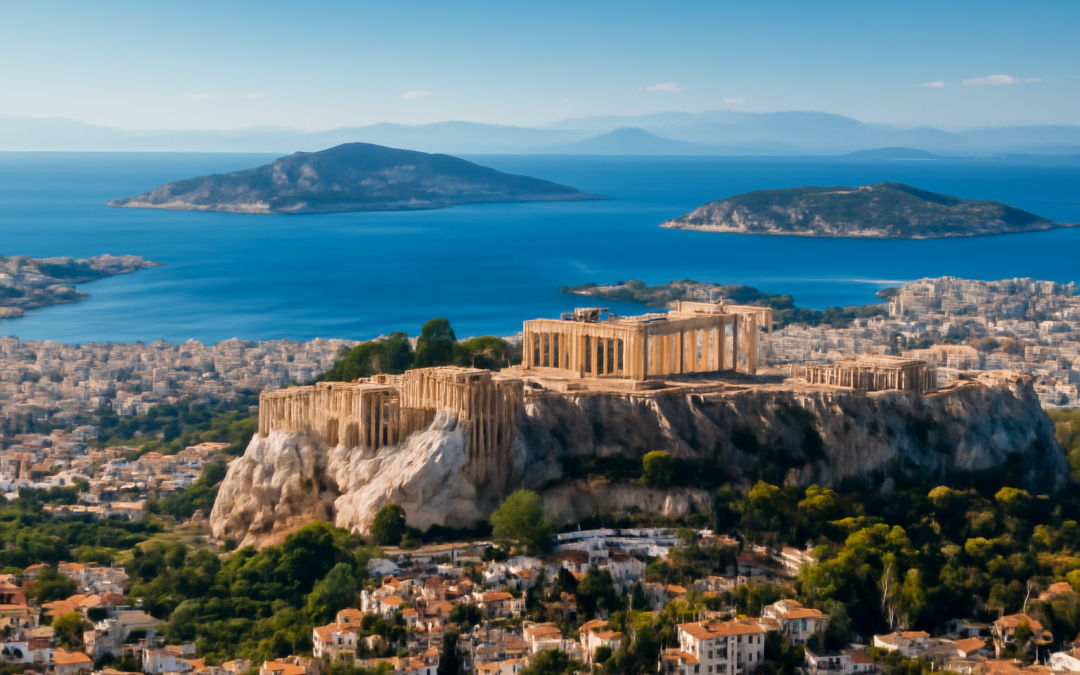
Athens is more than just the political capital of Greece; it is a living museum where every corner tells a story of the ancient world. The city is renowned for its archaeological treasures, with the Acropolis sitting majestically above the cityscape, crowned by the Parthenon, a temple dedicated to the goddess Athena. Visiting Athens means walking through millennia of history—from classical Greek civilization and Roman influence to Byzantine, Ottoman, and modern eras. The city’s museums, such as the National Archaeological Museum and the Acropolis Museum, are treasure troves of artifacts that provide invaluable context and understanding of the ancient world’s contributions to art, philosophy, and democracy.
However, Athens is not just about the past; it’s a lively metropolis buzzing with cafes, street art, boutiques, and a thriving nightlife. Neighborhoods such as Plaka and Monastiraki offer quaint streets lined with shops selling handmade goods and local delicacies, creating a perfect blend of old and new. The vibrant market scene and contemporary galleries amplify the city’s cultural pulse, making it appealing not only to history enthusiasts but also to those looking to experience modern Greek life. Spacious parks and nearby hills like Lycabettus offer breath-taking panoramic views of the city, especially at sunset.
After soaking in Athens, many travelers seek the contrast of island life, where the pace slows and the surrounding nature becomes the central focus. Greece’s islands are famously diverse, each group offering something unique. The Cyclades, for instance, are characterized by dazzling whitewashed buildings with cobalt blue roofs, dramatic cliffs, and crystal-clear waters. Islands like Santorini are famous for their spectacular sunsets and volcanic landscapes, while Mykonos boasts lively nightlife and glamorous visitor spots. These islands together present a blend of natural beauty, cosmopolitan flair, and deep-rooted traditions.
On the other hand, the Dodecanese islands, closer to Turkey, offer a fascinating mixture of medieval castles, Byzantine churches, and Ottoman influences, reflecting the region’s complex history. Rhodes, the largest of the group, delights visitors with its beautifully preserved medieval town, buzzing harbors, and endless beaches. Smaller islands in this cluster tend to be less crowded, providing tranquil escapes for those who prioritize relaxation and a genuine sense of local life.
The Ionian Islands, situated off Greece’s west coast, are lush and green, contrasting with the arid landscapes of the Cyclades. Known for their Venetian architecture and serene beaches, islands like Corfu and Kefalonia invite visitors to explore mountainous terrain, small villages, and turquoise waters ideal for swimming and sailing. The Ionian Islands have a more temperate climate, with more greenery and fresh-water springs, making them attractive to travelers seeking natural beauty combined with historical flair.
The North Aegean and Sporades groups, often overlooked by many travelers, offer some of the most untouched and authentic island experiences in Greece. Islands in these regions, such as Lesbos or Skiathos, preserve their traditional communities and rhythms of life, undisturbed by mass tourism. These islands appeal to nature lovers, hikers, and those interested in exploring less commercialized areas where they can immerse themselves in local cultural practices and pristine environments.
When choosing which islands to visit, it is important to consider logistics and transportation. Athens functions as the primary hub, with its international airport and port connecting the mainland to many popular islands. From Piraeus or Rafina port, travelers can take ferries to a range of island destinations. Ferry availability and duration vary greatly: some routes take just a couple of hours, while others may require an overnight crossing. High-speed vessels offer quick passage to nearby islands like Aegina or Hydra, famous for day trips, whereas more distant islands like Crete or Santorini typically involve longer journeys. Plan accordingly for weather conditions, as the Aegean can become rough during the Meltemi winds in summer.
Each island has its seasonal appeal, influencing when it’s best to visit. July and August are peak tourist months, especially for the most famous islands, resulting in lively atmospheres but also higher prices and more crowded facilities. Shoulder months like May, June, and September offer warm weather with fewer tourists, making for a more enjoyable and authentic experience. Some islands have year-round populations and activities, but many cater mainly to summer visitors, with shops and services closing in the off-season.
Culinary traditions vary regionally and become a highlight of the island experience. Athens, as a cosmopolitan center, provides a broad range of dining options—from high-end restaurants to traditional tavernas serving meze and fresh seafood. In the islands, locally produced ingredients like olives, honey, cheeses, and wines infuse regional dishes with distinctive flavors. For instance, the island of Naxos specializes in potatoes and cheeses, while Crete is celebrated for its olive oil and herbal recipes linked to the Mediterranean diet. Eating in small, family-run establishments not only promises authentic tastes but also a chance to engage with the local culture and hospitality.
Accommodation choices reflect the diversity of Greek travel experiences. Athens offers an array from luxury hotels in the city center to charming boutique guesthouses in historical neighborhoods. On the islands, visitors can select from lavish resorts, all-inclusive options, or modest apartments and guesthouses nestled in villages. In recent years, there has been growing interest in sustainable tourism, and many islands provide eco-friendly accommodations or agritourism opportunities, allowing visitors to participate in daily agricultural activities or conservation projects.
While Athens and the islands each have their distinct draws, combining both during a trip offers a balanced perspective on Greece. The capital’s cultural riches and metropolitan buzz pair well with the islands’ natural beauty and relaxed lifestyles. Travelers often begin in Athens, spending a few days exploring the archaeological sites and cityscape, before hopping to one or more islands for a change of pace and scenery. Popular pairing includes Athens with islands like Santorini, Mykonos, or Crete, thanks to their accessibility and varied attractions, though less-known islands can equally provide memorable experiences for those seeking quiet charm away from crowds.
Beyond tourism, Greece’s island life preserves ancient traditions and regional identities that paint a fuller picture of the nation’s heritage. Festivals, religious celebrations, and local markets are vibrant throughout the island calendar, and participation can offer travelers deeper cultural insight. For example, the Easter celebrations in certain islands include unique customs and communal events that contrast with the more secular holiday environments found elsewhere. Engaging with residents and taking time to learn about their way of life can transform a typical vacation into an enriching journey.
Nature enthusiasts will find plenty to enjoy in Greece aside from the famous ruins and pretty villages. Hiking trails abound, with some islands like Crete and Naxos boasting mountainous paths, gorges, and ancient shepherd routes that challenge and captivate trekkers. Marine life and underwater archaeology provide opportunities for scuba diving and snorkeling, especially around islands with calm, clear waters and protected environments. Bird-watching and exploring lesser-known natural reserves are also possible in certain areas, contributing to Greece’s appeal as a diverse destination for a wide range of outdoor activities.
Ultimately, planning a trip that includes Athens and the island choices means balancing interests in history, culture, nature, and leisure. Athens offers a stimulating urban environment steeped in legendary stories and contemporary culture, while the islands allow for moments of tranquility, exploration, and connection to nature and tradition. Whether wandering through the ancient Agora, savoring a sunset over a caldera, or swimming in a secluded cove, the experiences chosen define the narrative of a truly memorable Greek adventure. With thoughtful planning and a willingness to explore beyond the usual, the endless charm of Greece awaits every traveler.
by admin | Oct 8, 2026 | Travel & Destinations
Greece is a timeless destination that effortlessly blends ancient heritage with vibrant modern culture. Travelers often find themselves captivated by the allure of Athens, a city where history breathes through monumental ruins and bustling markets. At the same time, Greece’s islands offer a serene contrast, each with its own distinctive charm, landscape, and cultural identity. Navigating these diverse options can be overwhelming, but understanding the essence of Athens alongside the major island choices provides a meaningful starting point for any journey to this Mediterranean paradise.
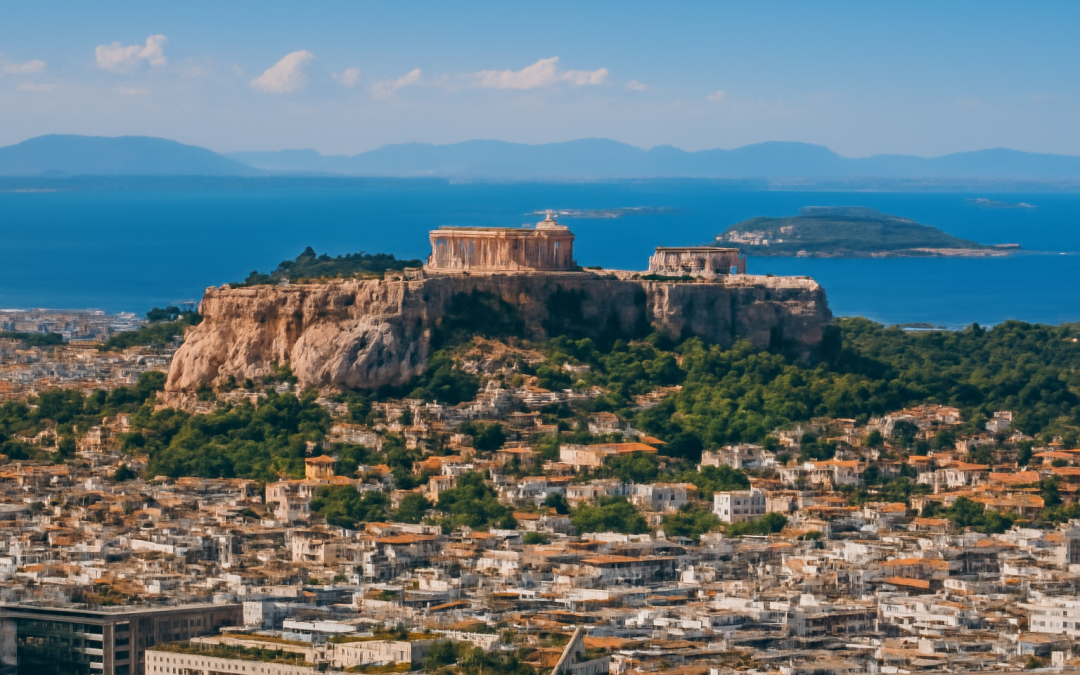
Athens serves as the heartbeat of Greece, combining archaeological wonders with urban energy. The Acropolis, with the Parthenon standing proudly atop, is a symbol recognized worldwide, and it succinctly encapsulates the city’s importance as a cradle of Western civilization. Beyond the iconic ruins, Athens boasts neighborhoods like Plaka, with winding streets and quaint cafes, and Monastiraki, known for its vibrant flea markets. Museums such as the National Archaeological Museum showcase artifacts that narrate the country’s extensive history from prehistoric times to the classical era.
Despite its historical prominence, Athens is more than a museum city. It is a metropolis that embraces contemporary life with a rich culinary scene, bustling nightlife, and a growing art and music culture. Visitors often spend a day or two immersing themselves in these layers before transitioning to the more laid-back island rhythm. The city’s excellent transportation connections, including an international airport and ferry ports, make it the ideal hub for exploring the many islands dotting Greece’s azure waters.
Choosing the right Greek island depends on what kind of experience one seeks. The Cyclades are perhaps the most famous group, featuring islands like Santorini, Mykonos, Naxos, and Paros. Santorini is renowned for its stunning sunsets, whitewashed buildings with blue domes, and volcanic beaches. It is a romantic destination, favored by honeymooners and couples, offering a mix of luxury accommodations and picturesque villages like Oia and Fira. Beyond the aesthetic, Santorini’s volcanic soil yields distinctive wines, making vineyard tours a popular activity for visitors.
Mykonos contrasts Santorini with a more vibrant, party-oriented vibe. Known for its posh beach clubs, nightclubs, and cosmopolitan atmosphere, this island attracts a younger crowd looking for lively social scenes. Yet, Mykonos is not all about nightlife; it also offers serene beaches, charming old town streets, and a historic windmill-lined waterfront. For travelers seeking a blend of relaxation and nightlife, Mykonos offers an unparalleled balance.
For those looking for something quieter and more authentic, Naxos and Paros provide excellent alternatives in the Cyclades. Naxos, the largest of the Cyclades, is known for its fertile landscapes, ancient ruins, and beautiful beaches. It combines historical significance with a more traditional island lifestyle, making it ideal for families and travelers seeking a deeper cultural connection. Paros shares many qualities with Naxos but caters slightly more to windsurfing enthusiasts and younger visitors. Its nightlife is lively but more subdued compared to Mykonos.
Beyond the Cyclades, the Dodecanese islands in the southeastern Aegean Sea offer yet another flavor of Greece. Rhodes, the largest island of the group, is steeped in medieval history, evident in its well-preserved old town, a UNESCO World Heritage site. The island’s diverse landscape includes ancient ruins, sandy beaches, and mountainous terrain, appealing to both culture seekers and outdoor enthusiasts. Nearby islands like Kos and Karpathos have their own charms, with Kos being famous for its extensive archaeological sites and vibrant nightlife, whereas Karpathos is best known for its rugged natural beauty and preservation of traditional Greek customs.
Crete, Greece’s largest island, stands apart due to its size and variety. It stretches from crystal-clear beaches to rocky mountains, offering something for every kind of traveler. Historically significant as the birthplace of the Minoan civilization, Crete hosts archaeological wonders such as the Palace of Knossos. The island’s cuisine is a hearty reflection of its fertile lands, utilizing local olive oil, fresh herbs, and seasonal vegetables. Crete is also ideal for those interested in hiking, with the famous Samaria Gorge drawing outdoor lovers who want to explore its dramatic natural beauty.
The Ionian Islands, located along the western coast of Greece, provide a distinctly different ambiance. Corfu, the largest and most famous, reflects a unique blend of Venetian, French, and British influences, visible in its architecture and cultural practices. Known for lush vegetation and a mild climate, Corfu is well-suited for travelers seeking a green and less arid environment compared to the Cyclades. Zakynthos, another Ionian island, is famous for the Navagio Beach, better known as Shipwreck Cove, one of the most photographed beaches in the world. Kefalonia and Lefkada also offer pristine beaches and opportunities for sailing, diving, and hiking.
For visitors who prefer exceptional tranquility and unspoiled beauty, islands like Amorgos in the Cyclades or Alonissos in the Sporades group deliver truly peaceful escapes. Amorgos is famed for its spiritual significance, featured as the backdrop of the film “The Big Blue.” It combines impressive hiking trails with cozy villages and crystal-clear waters ideal for diving. Alonissos, part of the Northern Sporades, is known for its marine park dedicated to protecting endangered monk seals, providing nature lovers a chance to experience Greece’s biodiversity while enjoying quiet beach retreats.
Each island’s accessibility varies, influencing how travelers plan their itineraries. Many intersect with Athens via direct ferry or short flights, enabling visits that span multiple locations. Ferries offer scenic journeys through the Aegean and Ionian Seas, allowing visitors to soak in the Mediterranean’s beauty while moving from island to island. For those short on time, flying between Athens and certain islands like Santorini, Mykonos, and Crete may be the preferred choice, though ferry rides often enhance the overall experience.
Seasonal factors greatly impact the experience of Greece’s prominent destinations. The summer months from June to August draw heavy crowds due to warm weather and festivals, creating a bustling atmosphere especially in Athens, Mykonos, and Santorini. However, spring and early fall present the best time to visit for those seeking milder temperatures and fewer tourists. Athens remains lively year-round, but the islands soften outside the peak season, making it easier to explore local life and landscapes with greater intimacy.
While Athens encapsulates Greece’s urban and historical core, the islands allow for diverse encounters with nature, gastronomy, and smaller-scale cultural traditions. Selecting among them involves weighing what kind of pace, environment, and activities resonate most. Whether it’s pilgrimage to ancient monuments, lounging on sun-drenched beaches, reveling in nightlife, hiking through emerald hills, or enjoying fresh seafood by a calming sea, Greece offers a setting that suits all these desires.
Ultimately, the best way to appreciate Greece’s multifaceted identity is to experience some blend of Athens and its surrounding islands. The contrast between city life and island leisure showcases the country’s remarkable capacity to provide meaningful and varied experiences. With every step on the ancient stones of Athens and every sunset on an island horizon, the magic of Greece unfolds, inviting travelers to weave their own stories into its timeless fabric.
by admin | Oct 7, 2026 | Travel & Destinations
Turkey is a land where history, culture, and natural beauty converge in a magnificent blend that captivates every traveler. Among the countless treasures this country offers, its bustling metropolis and vibrant coastal regions stand out as unforgettable destinations. Istanbul, straddling two continents, serves as a dynamic gateway into Turkey’s rich past and lively present, while its coastal stops along both the Aegean and Mediterranean seas provide serene escapes drenched in sunshine, crystal-clear waters, and authentic local charm. This journey through the heart of Turkey reveals a diverse tapestry of experiences that showcase the country’s unique blend of tradition and modernity.
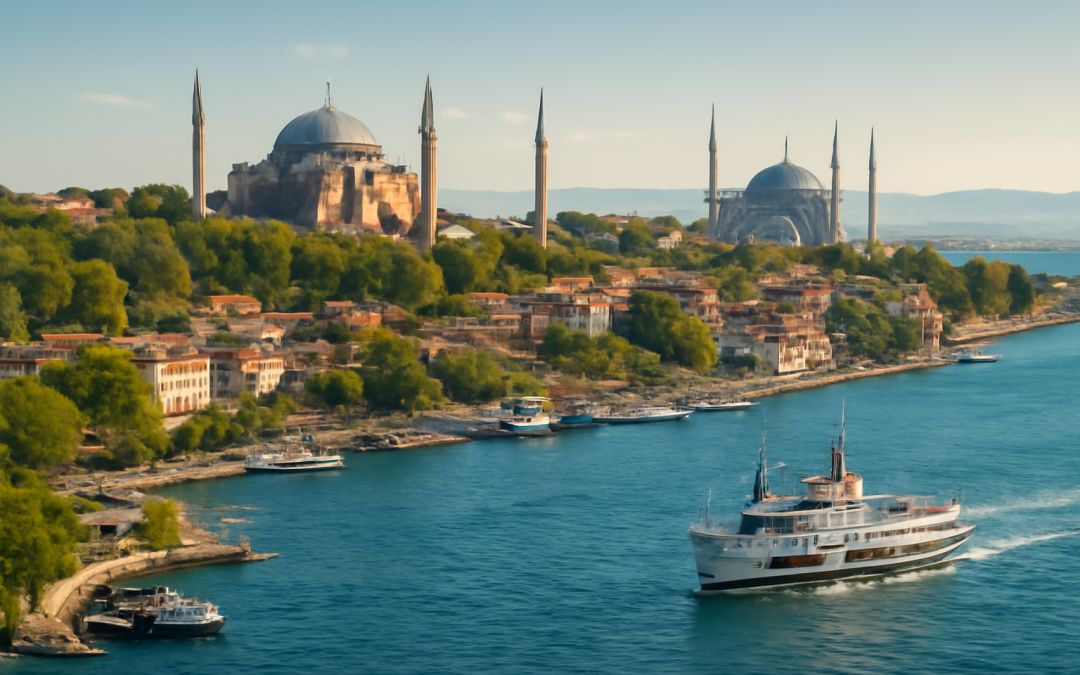
Istanbul’s magnetic allure lies in its ability to seamlessly merge ancient wonders with a contemporary pulse. The city’s skyline is punctuated by minarets and domes, telling tales of Byzantine emperors and Ottoman sultans. Walking through neighborhoods like Sultanahmet, visitors can gaze upon the imposing Hagia Sophia, a masterpiece of architecture that has served as a cathedral, mosque, and now a museum. Nearby, the Blue Mosque enchants with its six slender minarets and intricate Iznik tilework, while the sprawling Topkapi Palace offers insight into the opulent world of Ottoman royalty. Each site invites travelers to step back in time and marvel at the stories etched into every stone.
Beyond its historic monuments, Istanbul is a sensory feast. The Grand Bazaar buzzes with energy, enticing shoppers with a labyrinth of shops selling spices, textiles, ceramics, and jewelry. The aromas of freshly brewed Turkish coffee mingling with the scent of freshly baked simit (a sesame-crusted bread ring) provide a culinary welcome. Crossing the Galata Bridge, one can watch fishermen casting their lines over the shimmering waters of the Bosphorus, which divides the European and Asian sides of the city. The ferry rides themselves offer spectacular views, combining urban sophistication with the natural beauty of the waterway that connects the Black Sea to the Sea of Marmara.
Exploring the city’s vibrant districts like Beyoğlu presents a glimpse of modern Istanbul’s spirit. Istiklal Avenue bustles with cafes, art galleries, and boutiques, while the historic tram rattles along, delivering visitors to Taksim Square, the beating heart of nightlife and entertainment. Here, contemporary culture thrives amid restaurants offering both traditional kebabs and innovative Anatolian cuisine. The city’s diversity is also reflected in its cultural institutions, theaters, and music venues, where traditional Turkish melodies coexist with international sounds. Istanbul’s dynamic blend of old and new ensures that there is always something fresh to discover around every corner.
Leaving Istanbul’s urban sprawl behind, the Turkish coastline reveals a different, more tranquil side of the country. The western shores, particularly along the Aegean Sea, are dotted with charming towns and picturesque beaches. Kusadasi, a gateway to the ancient city of Ephesus, offers a perfect starting point for those interested in history and coastal relaxation. The ruins of Ephesus, with its vast amphitheater, library, and streets lined with marble pillars, provide a window into the grandeur of Roman civilization. Nearby, charming seaside cafes and markets allow visitors to sample local delicacies such as fresh seafood and the region’s prized olive oil.
Further north along the Aegean coast lies Çeşme, renowned for its crystal-clear waters, sandy beaches, and thermal springs. This elegant resort town attracts windsurfers and beach-goers eager to take advantage of the steady sea breeze. In Çeşme, whitewashed houses with blue shutters evoke a Mediterranean charm that contrasts beautifully with the rugged coastline. The town’s lively marina and vibrant nightlife add an element of excitement to what might otherwise be a quiet retreat. Visitors often find themselves spending afternoons lounging on soft sands, followed by evenings savoring freshly grilled octopus and sipping local wines in seaside taverns.
Moving southward, Bodrum is a further coastal jewel that combines ancient history with a cosmopolitan atmosphere. Once the site of the Mausoleum at Halicarnassus—one of the Seven Wonders of the Ancient World—this town now buzzes with a youthful energy. Its marina is filled with luxury yachts and traditional gulets, wooden sailing boats offering day trips along the coast or multi-day voyages to explore hidden coves and islands. Bodrum’s castle, built by the Knights Hospitaller, overlooks the turquoise waters and houses an underwater archaeology museum brimming with fascinating relics. Nightlife here is vibrant, ranging from beach clubs to intimate bars tucked away in narrow streets, providing entertainment well into the early hours.
Continuing down the southwestern coast brings travelers to the Turquoise Coast, aptly named for its stunning blue waters and dramatic landscapes. This region, including towns such as Fethiye and Marmaris, is prized for its natural beauty and outdoor activities. Fethiye, with its backdrop of pine-cloaked mountains, offers paragliding experiences that afford breathtaking aerial views of the bay and the surrounding countryside. The nearby Ölüdeniz Beach is famed as a blue lagoon, with calm, shallow waters so clear they seem almost surreal. From here, boat trips along the coast reveal hidden beaches and ancient Lycian ruins, blending nature and history in perfect harmony.
Marmaris, a lively seaside resort, caters well to those who want a balance of beach relaxation and recreational opportunities. The town’s marina is a hub for sailing and diving excursions, while its streets are lined with shops and cafes that remain bustling well into the evening. The castle overlooking Marmaris harbors a small museum, adding a historical dimension to the otherwise modern resort. For visitors seeking quietude, nearby bays and coves provide a peaceful refuge away from the summer crowds.
Aside from the coast, Turkey’s culinary scene offers an integral part of the experience. The country’s cuisine reflects its rich history and geographical diversity, with flavors that are bold yet balanced. In Istanbul, street foods such as döner kebabs and roasted chestnuts can be enjoyed on the go, while more elaborate meals might include mezes—small plates like hummus, eggplant salad, and stuffed grape leaves—that showcase fresh ingredients and vibrant spices. Seafood lovers find plenty to delight in along the coastal stops, with grilled fish, calamari, and shrimp served fresh from the sea. The use of herbs, lemon, and olive oil imparts a lightness and aromatic quality that captures the essence of Mediterranean cooking.
No visit would be complete without sampling the famed Turkish desserts. Baklava, with its layers of filo pastry, nuts, and honey syrup, is a timeless treat. Equally alluring are künefe, a warm cheese-filled pastry soaked in syrup, and Turkish delight, whose delicate, chewy texture and subtle sweetness make it a perfect souvenir. Accompanying these sweets with a cup of strong, unfiltered Turkish coffee or a glass of refreshing ayran—a yogurt-based drink—rounds out the culinary adventure.
Traveling through Istanbul and the coastal stops also highlights Turkey’s warm hospitality. Locals are often eager to share stories about their city or village, offering recommendations and inviting guests to partake in their cultural traditions. Whether in the bustling streets of Istanbul or the quieter lanes of a seaside town, visitors are welcomed with a genuine friendliness that can make the journey all the more memorable. Markets, cafes, and festivals provide opportunities to engage with artisans, musicians, and chefs who embody the spirit of Turkey’s diverse heritage.
Accessibility and infrastructure improvements have made exploring these diverse regions easier than ever. Istanbul’s efficient public transport system—including trams, metros, and ferries—allows convenient travel throughout the city. For those seeking to venture beyond, buses and domestic flights connect Istanbul to key coastal centers. Car rentals and organized tours offer flexibility for exploring less frequented areas, ensuring that every visitor can tailor their itinerary to personal preferences. This ease of travel, combined with an abundance of lodgings ranging from luxury hotels to boutique guesthouses, ensures comfort and convenience during the journey.
For travelers with an eye toward history, nature, and vibrant culture, the combination of Istanbul and the Turkish coast presents an exhilarating palette of experiences. The capital city’s grandeur and energy provide the foundation, allowing visitors to immerse themselves in centuries of heritage and contemporary vibrancy. Meanwhile, the coastal stops invite relaxation and exploration amid some of the Mediterranean’s most breathtaking vistas. Together, these destinations form a compelling itinerary that showcases the diversity and depth of Turkey’s appeal.
Ultimately, this journey through Turkey’s iconic urban hub and its sun-soaked coastlines offers far more than a typical vacation. It becomes a profound encounter with a land that has witnessed the rise and fall of empires, embraced countless cultures, and continues to flourish as a modern crossroads of East and West. The memories forged amid Istanbul’s monuments and the turquoise seas of its coastal retreat endure long after the return home, inspiring a deep appreciation for a country that is truly a bridge between worlds. Turkey’s charm, from its historic streets to its tranquil beaches, serves as an enduring invitation to discover more of its endless wonders.
by admin | Oct 7, 2026 | Travel & Destinations
Turkey offers a captivating blend of history, culture, and natural beauty that few countries in the world can match. From the bustling streets of Istanbul to the serene coastal towns hugging the Aegean and Mediterranean seas, visitors are enveloped in a land where ancient civilizations meet modern vibrancy. This rich tapestry invites travelers to explore a diverse array of experiences, from exploring sprawling bazaars and towering mosques to lounging on pristine beaches and sailing azure waters.
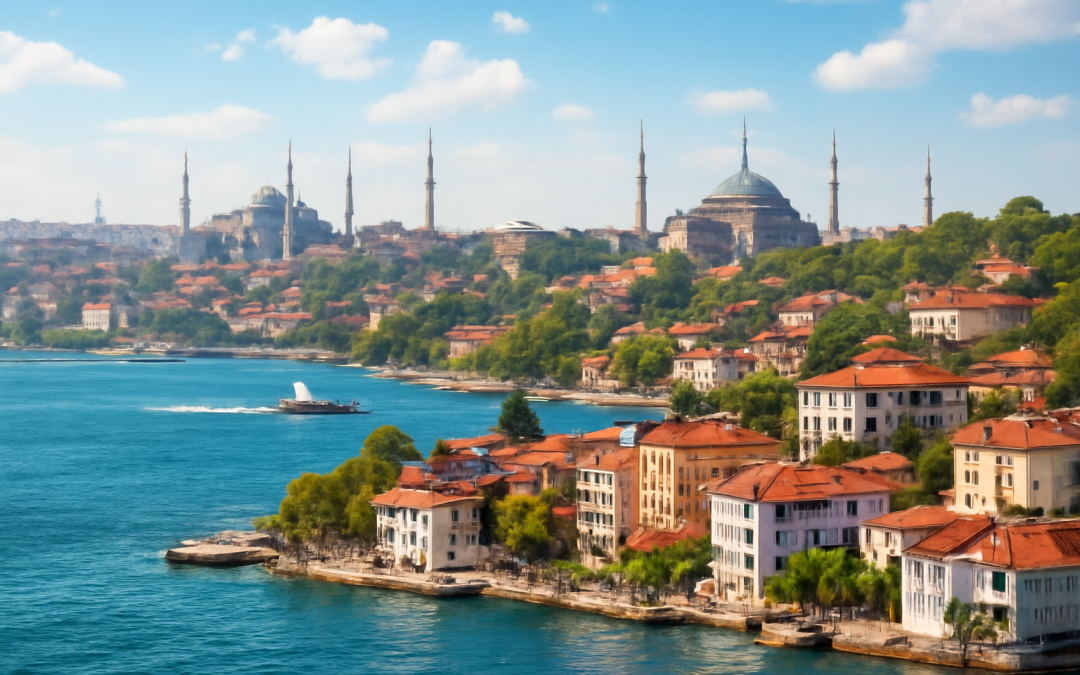
At the heart of any journey through Turkey lies Istanbul, a city that spans two continents and countless historical epochs. Formerly known as Byzantium and Constantinople, Istanbul has been the capital of several great empires, including the Roman, Byzantine, and Ottoman. This millennium-spanning heritage is visible everywhere—from the majestic Hagia Sophia with its soaring dome and Byzantine mosaics, to the imposing Topkapi Palace, home to Ottoman sultans for centuries. Walking through Istanbul’s neighborhoods offers a sensory feast as the aroma of spices, roasting chestnuts, and fresh simit fills the air. The Grand Bazaar stands as a labyrinthine emporium where artisans sell everything from exquisite carpets to intricate jewelry, while the adjacent Spice Bazaar tempts visitors with fragrant herbs, dried fruits, and vibrant teas.
Beyond Istanbul’s urban allure, Turkey’s coastline beckons with a vastly different charm. Stretching thousands of kilometers along both the Aegean and Mediterranean, this coastline is dotted with ancient ruins, charming villages, and sun-drenched beaches. The Aegean coast is particularly renowned for its blend of turquoise waters and centuries-old sites such as Ephesus, where the sprawling amphitheater and the Library of Celsus recall a time when the city was a major cultural hub. Nearby seaside towns like Çeşme offer windsurfing and vibrant nightlife, while Alaçatı captivates with its cobblestone streets and boutique hotels set among vineyards and olive groves.
Moving southward toward the Mediterranean, the Turkish Riviera—also known as the Turquoise Coast—offers a spectacular stretch of coast defined by crystal-clear waters, dramatic cliffs, and pine-covered mountains. Towns like Kaş and Kalkan dazzle with charming harbors, boutique accommodations, and an atmosphere that blends laid-back luxury with deep historical significance. These areas are perfect for exploring underwater ruins via scuba diving, or taking boat trips to secluded coves where quiet beaches invite relaxation far from the crowds.
The combination of cultural treasure troves and natural beauty creates a journey that is both enriching and rejuvenating. Whether wandering through Istanbul’s historic Sultanahmet district, where the Blue Mosque’s elegant minarets pierce the skyline, or strolling along the promenade in Bodrum with its whitewashed buildings and vibrant nightlife, the sense of place remains undeniably Turkish. Adding to this is the warmth and hospitality of the local people, whose traditions and customs invite visitors to experience Turkish tea culture, sample mezes and kebabs, and participate in festivals that celebrate seasonal changes and communal bonds.
Culinary exploration plays a prominent role during any visit to these regions, with both Istanbul and coastal areas offering cuisine that reflects their geographical and historical diversity. In Istanbul, mezze plates brimming with rich hummus, smoky eggplant dishes, and fresh seafood along the Bosphorus deliver a sensory adventure, while street vendors offer simit rings and hearty börek pastries. Along the coasts, the fresh catch of the day transforms into grilled fish and shrimp dishes, often enjoyed al fresco overlooking the sea. Olive oil, lemons, and herbs like oregano and thyme give the cuisine a distinctly Mediterranean character, making meals here not only delicious but deeply tied to the landscape.
For those interested in history, the empire-building narratives continue beyond Istanbul and into many coastal archaeological sites. The ancient city of Troy on the northern Aegean coast presents layers of myth and legend intertwined with real historical ruins. Nearby Pergamon is another highlight, boasting temples, a theater carved into the hillside, and the remains of one of the ancient world’s most impressive library complexes. These sites remind travelers how Turkey serves as a cradle of civilizations, where Hellenistic, Roman, Byzantine, and Ottoman legacies intermingle seamlessly.
Nature lovers will appreciate that Turkey’s coastal regions offer more than just beaches and antiquities. The Taurus Mountains form a dramatic backdrop to many Mediterranean towns, providing hiking opportunities through rugged landscapes and cedar forests. The Dalyan delta, a short distance from the coastal resorts, is a sanctuary for endangered loggerhead turtles and a birdwatcher’s paradise, dotted with reed beds and mud baths. Meanwhile, the thermal springs in Pamukkale, with its surreal terraces of mineral-rich waters, offer a unique combination of wellness and UNESCO World Heritage status.
Transportation in Turkey supports easy access to both city and coast, with well-developed networks of highways, ferries, and regional airports. Ferries crossing the Bosphorus in Istanbul offer spectacular views of the city’s skyline and connect Asian and European parts in minutes. Along the coast, frequent minibuses and rental cars enable tourists to explore hidden gems and less-visited villages nestled between larger towns. This accessibility encourages a flexible itinerary, allowing visitors to experience the frenetic energy of Istanbul alongside the tranquil pace of seaside life.
Seasonality is also a compelling factor when planning a trip, as the coastal areas offer distinct advantages depending on the time of year. Summer months bring peak beach conditions and bustling tourist spots, while spring and autumn provide milder weather, suitable for hiking, cultural site visits, and more intimate encounters with local communities. Winters, though colder and wetter, reveal a quieter Turkey where fewer tourists visit, allowing a more contemplative exploration of cities like Istanbul and opportunities for culinary indulgence in cozy traditional restaurants.
One cannot overlook the significance of festivals and cultural events that animate both Istanbul and coastal towns throughout the year. Istanbul’s International Film Festival and Istanbul Biennial celebrate contemporary arts, drawing global attention and fostering a vibrant creative atmosphere. On the coasts, local harvest festivals showcase agricultural traditions, music, and dance, offering an authentic glimpse into Turkish rural life. Events such as the Bodrum Ballet Festival and the Kaş International Culture and Art Festival highlight the thriving art scenes in these picturesque settings.
While the modern conveniences of city life are evident in Istanbul’s chic cafes and luxury hotels, the city’s historic essence remains deeply intact, presenting an enduring link to its past. The Bosphorus itself symbolizes this connection—a vital waterway that has linked East and West for centuries, lined by palaces, ancient fortresses, and charming fishing villages. Cruises along this strait offer a unique perspective on how natural geography has shaped trade, defense, and cultural exchange, making it an unmissable experience for visitors.
The deep spirituality of the region also speaks to the enduring faith communities and religious architecture found throughout both Istanbul and the coastal areas. Ottoman mosques, Byzantine churches, and ancient synagogues reflect a mosaic of beliefs that have coexisted for centuries. Visiting these sacred spaces, from the glittering interiors of the Süleymaniye Mosque to the quiet serenity of the Church of St. Nicholas in Demre, provides insight into the city and country’s complex identity and the values that continue to influence everyday life.
For adventurous souls, the coastal waters present numerous possibilities for outdoor activities beyond sunbathing and swimming. Sailing tours along the Lycian coast, known as the Blue Cruise, combine stunning sea views with the chance to explore secluded bays and ruins accessible only by boat. Kayaking and snorkeling in crystal-clear coves reveal underwater grottoes and marine life, offering a unique way to connect with the natural environment. Inland, trekking routes like the Lycian Way offer multi-day hikes through varied terrain, dotted with ancient ruins and traditional shepherd villages, blending physical challenge with cultural discovery.
Shopping in Istanbul and coastal resorts further enriches the travel experience, with a focus on handcrafted goods and unique local products. Istanbul’s markets and boutiques provide a vast array of items from hand-woven carpets and leather goods to ceramics and spices. Along the coast, artisans produce pottery, textiles, and jewelry that often draw on traditional motifs and techniques passed down through generations. Collecting these pieces is not only a way of taking home a tangible memory but also supporting the continuity of Turkey’s rich artistic heritage.
The hospitality industry in these regions expertly balances modern comfort with authentic experiences. Boutique hotels housed in historic buildings allow guests to immerse themselves in the character of their surroundings while enjoying contemporary amenities. Many accommodations emphasize sustainability and local sourcing, bringing farm-to-table dining into focus and promoting eco-tourism practices. This alignment with responsible tourism ensures that the natural and cultural riches of Turkey’s landscapes are preserved for future generations.
Every journey through the country underscores a distinct sense of place and continuity. Despite rapid modernization and the influx of global influences, Istanbul and the coastal towns maintain identities deeply rooted in their histories and geographies. Stone streets in Istanbul’s historic districts coexist with glass skyscrapers; seaside villages retain their fishing traditions even as luxury yachts dot the harbors. This blend creates a multifaceted narrative that invites travelers to explore multiple layers of Turkey’s present and past.
The culinary and cultural experiences also extend into the realm of music and dance, where traditional forms thrive alongside contemporary expressions. In Istanbul, one can attend performances of the whirling dervishes, a spiritually evocative practice embodying centuries-old Sufi traditions. Coastal festivals often feature folk dances and music that express local identities and histories, keeping alive the communal spirit of celebration and storytelling. Engaging with these performances enriches the visitor’s understanding of the country’s intangible cultural heritage.
In practical terms, travelers benefit from well-developed infrastructure that supports a seamless exploration of both Istanbul and the coastal areas. Public transportation in Istanbul, including trams, metros, and ferries, facilitates movement around the sprawling metropolis, enabling easy access to major sites and neighborhoods. Along the coast, rental cars and mini-buses offer the flexibility to visit remote beaches, archaeological sites, and charming villages. Many tour operators also provide guided experiences that delve into specific interests such as history, cuisine, or nature, allowing for a personalized approach.
Turkey’s diverse landscapes and cultural offerings create a journey that appeals to a wide range of interests, whether the traveler seeks historical immersion, nature, culinary discovery, or simply relaxation by the sea. Istanbul’s dynamic energy contrasts beautifully with the tranquil rhythms of coastal life, creating travel experiences that are layered, varied, and deeply rewarding. Across these destinations, the sense of welcoming and shared history invite visitors to step beyond simple tourism and become part of a living story, unfolding across millennia.
In conclusion, the journey through Turkey’s vibrant cityscapes and stunning coastal regions reveals a nation that seamlessly integrates its rich past with a dynamic present. The interplay between Istanbul’s urban allure and the serene coastal retreats underscores Turkey’s unique geographical and cultural position bridging continents and traditions. Every moment spent exploring this diverse tapestry enriches the soul and broadens the mind, leaving visitors with memories that are as vivid and enduring as the landscapes themselves. This blend of history, nature, and hospitality ensures that travelers come away inspired and enriched, carrying with them a profound appreciation for one of the world’s most captivating destinations.

by admin | Oct 6, 2026 | Travel & Destinations
Navigating the vibrant urban chaos of Bangkok and then escaping to tranquil beaches is a quintessential experience for anyone visiting Thailand. The route from Bangkok to the country’s idyllic shores offers a seamless blend of culture, convenience, and natural beauty. Understanding how to travel from the bustling capital to the various coastal destinations not only enhances the experience but also opens doors to explore Thailand’s diverse landscapes and lifestyles. The journey bridges two contrasting yet complementary worlds—the energetic pulse of one of Asia’s most dynamic cities and the serene allure of the Andaman Sea and Gulf of Thailand.
Bangkok stands as the gateway to Thailand, a sprawling metropolis known for its ornate temples, lively street markets, and electric nightlife. For travelers keen on combining urban exploration with beach relaxation, making the trip from Bangkok to the beaches requires a bit of planning. Various transportation options cater to different preferences regarding speed, comfort, and budget. Whether you are heading southeast to the islands in the Gulf of Thailand, such as Koh Samui or Koh Tao, or west toward the famed beaches of Phuket and Krabi, the route from Bangkok to the coast is well-established and easy to navigate with the right guidance.
One of the most popular destinations for travelers leaving Bangkok is Pattaya, located approximately 147 kilometers southeast of the city. Known for its array of entertainment options, vibrant nightlife, and water activities, Pattaya is reachable by bus, taxi, or private car in roughly two hours. Frequent buses depart from the Eastern Bus Terminal (Ekkamai) in Bangkok, making it a convenient choice for a quick beach getaway. Although Pattaya’s beaches are often criticized for their crowds and urban sprawl, the surrounding area offers quieter spots such as Jomtien Beach, providing a more relaxed atmosphere away from the hubbub.
For those seeking island serenity and crystal-clear waters, the journey extends beyond Pattaya into the Gulf of Thailand’s famous islands. Koh Samet, for example, is only a few hours away, combining road travel to the ferry terminals in Ban Phe with a short boat ride. This island is a favorite for weekend escapes due to its proximity and relatively untouched environment. Koh Chang, also in the Gulf, offers lush rainforests and cascading waterfalls paired with less commercialized beaches. Traveling here involves a longer trip by road—approximately five hours from Bangkok—followed by a ferry crossing, though the effort rewards visitors with pristine, palm-fringed seascapes.
To reach islands like Koh Samui, Koh Phangan, and Koh Tao, the journey involves a combination of domestic flights or road and ferry options. Koh Samui International Airport handles numerous daily flights from Bangkok’s two major airports—Suvarnabhumi and Don Mueang. This fast air route can reduce travel time significantly compared to land and sea travel. Alternatively, one can take an extensive bus or private car journey, often lasting around 10 to 12 hours, to the ferry piers at Surat Thani or Chumphon, followed by a ferry transfer to the islands. Although slower, this option is often favored by budget travelers and those who enjoy watching the Thai countryside transition from city to rural landscapes.
On the opposite side of the Gulf of Thailand lie the western beaches along the Andaman coast. Destinations like Phuket, Krabi, and the Phi Phi Islands offer a completely different vibe from the Gulf islands. While they share similar tropical beauty, their geographical setting produces a slightly different maritime and mountainous landscape. To reach these locations from Bangkok, domestic flights again serve as the quickest options, particularly to Phuket and Krabi airports. These flights typically take 1.5 hours or less and are serviced by various budget airlines, making them accessible for many travelers.
For those who prefer overland travel to the Andaman side, the journey often includes a combination of a lengthy bus or train ride to Surat Thani or Trang, followed by buses or taxis and ferry connections. The train from Bangkok’s Hua Lamphong Station to Surat Thani is an experience in itself—offering an overnight sleeper option that allows passengers to rest comfortably while covering roughly 11 to 13 hours en route. Once in Surat Thani, travelers board ferries for the islands of Koh Samui, Koh Phangan, or Koh Tao, although this does not serve the Andaman coast directly. For the Andaman side’s islands, buses and minivans take travelers through southern Thailand’s inland roads to reach ports like Krabi or Phuket, from where small boats or ferries provide access to nearby islands.
The journey from Bangkok to the beaches is also shaped by the season. Thailand experiences a tropical climate with distinct wet and dry periods, influencing the best route and timing. The Gulf of Thailand’s islands are typically best visited between January and August, avoiding the monsoon season that peaks from September to December. Conversely, the western Andaman coast is sunnier and drier during the monsoon months, offering excellent conditions from November through April. Thus, understanding the regional weather patterns helps travelers choose their beach destinations wisely and plan the route accordingly for an optimal experience.
Accommodation along these routes ranges widely, offering options from budget hostels to luxury resorts. In Bangkok, visitors can stay near transport hubs like the Eastern Bus Terminal or Suvarnabhumi Airport to enable smoother transitions. The coastal regions correspondingly present diverse lodging opportunities, from beachfront bungalows nested among palm trees to high-end villas with private pools. This variety ensures that the journey from city to sea caters to different travel styles, whether one prefers the backpacker vibe or indulgent comfort.
What also makes the route from Bangkok to the beaches appealing are the stopovers available along the way. For instance, the ancient town of Ayutthaya lies about an hour north of Bangkok and provides a historical diversion with its ruin temples reflecting Thailand’s rich heritage. Similarly, Hua Hin, a seaside resort town located roughly 200 kilometers southwest of Bangkok, offers a blend of town energy and beach relaxation and is accessible by train or car. This makes Hua Hin an attractive midpoint for travelers who want to break up a longer journey to the southern islands with a taste of royal resort culture and night market charm.
Another transportation consideration is the use of domestic airlines operating from two major Bangkok airports. Suvarnabhumi International Airport primarily accommodates larger aircraft and international flights, while Don Mueang Airport serves as a hub for low-cost carriers. Flights to the southern destinations—both the Gulf and Andaman coasts—depart from these airports with competitive prices and frequent schedules. Early booking of flights can secure better deals, especially during peak tourist seasons. Integrating air travel within a larger itinerary maximizes time spent on the beach rather than in transit.
For the environmentally and culturally conscious traveler, Thailand offers alternative routes and experiences. One such option is taking the night train to Surat Thani followed by a day on local ferries, allowing interaction with local communities and reducing carbon footprint compared to air travel. Some travelers opt for private car hires or motorbike rentals for flexibility and to explore hidden beaches or coastal villages off the typical tourist track. Engaging with local tour operators ensures not only smoother logistics but also supports community-based tourism.
The culinary journey is an often-overlooked delight on the route from Bangkok to the coast. Bangkok serves as a gourmet hub with its renowned street food and eclectic dining scene. As travelers transition towards the beaches, coastal towns and islands bring fresh seafood and traditional dishes such as massaman curry, tom yum, and som tum to the table. Sampling local cuisine at roadside markets and beachside eateries adds texture to the journey and immerses visitors in Thailand’s regional flavors. Food, therefore, acts as a flavorful thread linking the urban and seaside experiences.
In summary, the route connecting Thailand’s capital to its beaches is more than just a means of travel—it is a path through contrasting landscapes, cultures, and experiences. Navigating this route effectively requires awareness of transportation options, climatic conditions, and regional highlights. Whether traveling by road, rail, sea, or air, the journey from the urban sprawl of Bangkok to peaceful beach havens unfolds a story of Thailand’s diversity and hospitality. The richness of this passage invites visitors to embrace both the energetic rhythm of city life and the tranquil pulse of the sea, creating memories that epitomize the magic of Thailand.

by admin | Oct 6, 2026 | Travel & Destinations
Traveling from Bangkok to the sun-kissed shores of Thailand’s beaches is a journey that perfectly encapsulates the country’s blend of vibrant urban energy and tranquil natural beauty. This route offers a remarkable contrast between the bustling capital city, famed for its markets, temples, and street food, and the idyllic coastal destinations loved by beachgoers from around the world. Whether you are seeking pristine white sands, crystal-clear waters, or lush island landscapes, the journey from Bangkok to the beaches lets visitors experience the rich cultural tapestry and diverse environments Thailand has to offer.
Bangkok, as the gateway to Thailand, is a sprawling metropolis that never sleeps. It buzzes with life, colors, and aromas from morning till night. Once travelers arrive, they are immersed in a city where tradition and modernity seamlessly coexist. The city’s wealth of attractions, including the Grand Palace, Wat Pho, and the Chao Phraya River, can captivate visitors for days. However, pulling away from the urban whirlwind and heading toward the coastal gems offers a refreshing shift in pace and atmosphere, making the route from Bangkok to beaches one of the most popular travel itineraries.
One of the most convenient ways to begin this coastal journey is by road, as several well-maintained highways connect Bangkok to the southern provinces. The journey southward leads travelers through diverse landscapes ranging from humid plains and river deltas to lush tropical forests. The drive itself, though lengthy, is rewarding—offering glimpses into rural Thai life, roadside markets, and smaller towns where time feels paused. Many opt to stop at various points along the way to soak in local cuisine and culture before reaching the seaside.
For those inclined to travel faster, air travel offers numerous flight options from Bangkok’s two airports—Suvarnabhumi and Don Mueang—directly to some of the most famous beach destinations. Phuket, Krabi, and Koh Samui airports welcome daily flights, reducing travel time dramatically while still offering spectacular beach experiences. Despite the convenience of flying, some travelers prefer to combine modes of transport, flying partway and then using ferries or buses to access remote islands or lesser-known coastal spots, blending efficiency with adventure.
The Gulf of Thailand and the Andaman Sea provide the backdrop to many of the country’s celebrated beach locales. Starting with the Gulf coast, areas like Pattaya and Hua Hin are the first major beach escapes accessible by road from Bangkok. Pattaya, reachable within two hours by car or bus, is well-known for its vibrant nightlife and water sports. Hua Hin, on the other hand, carries a more laid-back atmosphere, known for its royal palaces and golf courses. These destinations offer tourists the chance to enjoy beaches without venturing too far from the capital, making them ideal for short getaways.
Heading further south toward Surat Thani and beyond, the journey opens up to island paradises like Koh Samui, Koh Phangan, and Koh Tao. These islands, accessible by ferry from the mainland, are famous for their pristine beaches and crystal-clear waters. Koh Samui, in particular, has developed into a luxurious holiday haven with resorts, spas, and vibrant nightlife, while Koh Phangan is celebrated for its full moon parties and more relaxed atmosphere. Koh Tao is a hotspot for diving enthusiasts drawn to its rich marine biodiversity and coral reefs. The route to these islands involves a combination of land and sea travel, creating an immersive experience that allows travelers to engage intimately with Thailand’s coastal environment.
On the western side, the Andaman Sea coast beckons with equally stunning beach destinations. Phuket, Thailand’s largest island, is a major international tourist hub accessible via flights or road and ferry combinations. This island offers a wide spectrum of experiences, from busy beach towns like Patong to secluded coves and luxury resorts. South of Phuket, Krabi province is renowned for its dramatic limestone cliffs, clear water bays, and quieter islands like Koh Lanta and the Phi Phi Islands. The route here merges mountainous terrain on the mainland with ocean vistas, offering some of the most breathtaking scenery in the country.
Travelers who prefer a slower pace and wish to embrace the natural environment often choose overland travel combined with ferry crossings to island locations, avoiding the busier airports and heavily trafficked routes. The journey itself becomes part of the adventure, winding through national parks and rural villages, where it is possible to witness traditional ways of life alongside burgeoning tourist influxes. Many of these routes are serviced by local buses, minivans, and ferries, giving travelers the chance to interact with locals and fellow tourists alike, enriching the overall travel experience.
Thailand’s tropical climate means that the best time to travel this route is during the dry season, which typically runs from November to April. During these months, sunshine dominates, and the sea conditions are ideal for swimming, snorkeling, and island hopping. The rainy season can still offer a unique charm, with lush greenery and less crowded beaches, but rough seas sometimes disrupt ferry schedules. Planning travel in accordance with the weather is essential for a smooth journey from Bangkok to the beaches, as it ensures optimal time spent enjoying the coastal attractions rather than facing transport delays or inclement conditions.
Cuisine along the route provides another delightful aspect of the journey. From bustling street markets in Bangkok to seaside shacks serving freshly caught seafood, food lovers can indulge in authentic Thai flavors at every stop. Coastal towns and islands feature an abundance of dishes highlighted by fresh shrimp, fish, and shellfish prepared in myriad ways—from spicy tom yum soups to grilled satays. Sampling local delicacies at each stage enhances the sensory richness of the trip and connects travelers more deeply to the regional cultures they pass through.
The route from Bangkok to Thailand’s beaches also presents ample opportunities for outdoor activities. Aside from beach lounging and swimming, visitors can engage in snorkeling, scuba diving, kayaking, hiking, and rock climbing. Krabi’s limestone cliffs are world-famous climbing destinations, while many islands offer coral reefs teeming with marine life perfect for underwater exploration. Trekking through nearby jungles or visiting waterfalls adds an adventurous element to the seaside holiday, making the journey appealing to nature lovers and thrill-seekers alike.
Accommodations along this route vary widely, from luxury beachfront resorts and boutique hotels to budget-friendly guesthouses and hostels. Many coastal towns have developed infrastructure to cater to a range of tastes and budgets, allowing travelers to customize their experience. For those seeking solitude, more remote islands and smaller beach towns offer charming bungalows and eco-resorts, emphasizing sustainable tourism and immersion in nature. Choosing where to stay along the way often depends on the desired balance between comfort and adventure, making the route highly adaptable to individual preferences.
Transportation options are well-developed but vary in comfort and speed. Private car hires provide flexibility and convenience, ideal for travelers who want to stop frequently and explore hidden gems along the way. Public buses and minivans are economical alternatives but require more careful scheduling and a willingness to adapt to local travel styles. Ferries to islands operate on regular schedules with options ranging from slow boats to speedboats, catering both to those on a budget and those seeking rapid transit. Understanding these transportation nuances is key to planning a seamless and enjoyable journey.
Throughout the entire journey, the warmth and friendliness of the Thai people stand out as a constant. Whether waiting in a bus station, ordering a meal at a roadside cafe, or bargaining for souvenirs at a beach market, visitors experience genuine hospitality. This welcoming atmosphere enhances the appeal of traveling Thailand’s Bangkok to beaches route, as interactions with locals add authenticity and personal connection to a traveler’s experience.
Ultimately, the route from Bangkok to the beaches offers more than just transit from an urban center to coastal leisure. It weaves together a tapestry of experiences—cultural, culinary, scenic, and adventurous—that reflect the diversity and richness of Thailand. Each segment of the journey provides unique encounters, from city streets and rural roads to tranquil shorelines and aquatic adventures, illustrating why this travel path remains a favorite among both first-time visitors and seasoned explorers.
For those planning a trip, it is advisable to allocate sufficient time to fully appreciate the varying stops along the route. Rushing through the journey misses much of the charm and character found in Thailand’s small towns, natural parks, and remote beaches. Allowing for flexibility in travel plans also means travelers can respond to weather changes, local festivals, and recommendations from fellow tourists and locals, transforming a mere transfer into a memorable travel experience.
In considering the future of this route, ongoing infrastructure improvements continue to enhance accessibility and comfort without diluting the natural and cultural richness. Sustainable tourism initiatives help preserve fragile ecosystems and support community economies, ensuring that the unique destinations along the Bangkok to beaches path remain vibrant and welcoming for generations ahead. These efforts contribute to a travel experience that balances modern convenience with environmental stewardship and cultural respect.
Traveling this route in Thailand is, therefore, not just a transit between two types of destinations but an immersive journey through a country’s heart and soul. The dynamic contrast between metropolis and seacoast, culture and nature, activity and relaxation offers an enriching narrative that invites discovery. Whether it’s the first visit or a long-awaited return, moving from Bangkok to the beaches represents a quintessential Thai experience, blending adventure, tranquility, and connection in one unforgettable voyage.