by admin | Oct 5, 2026 | Travel & Destinations
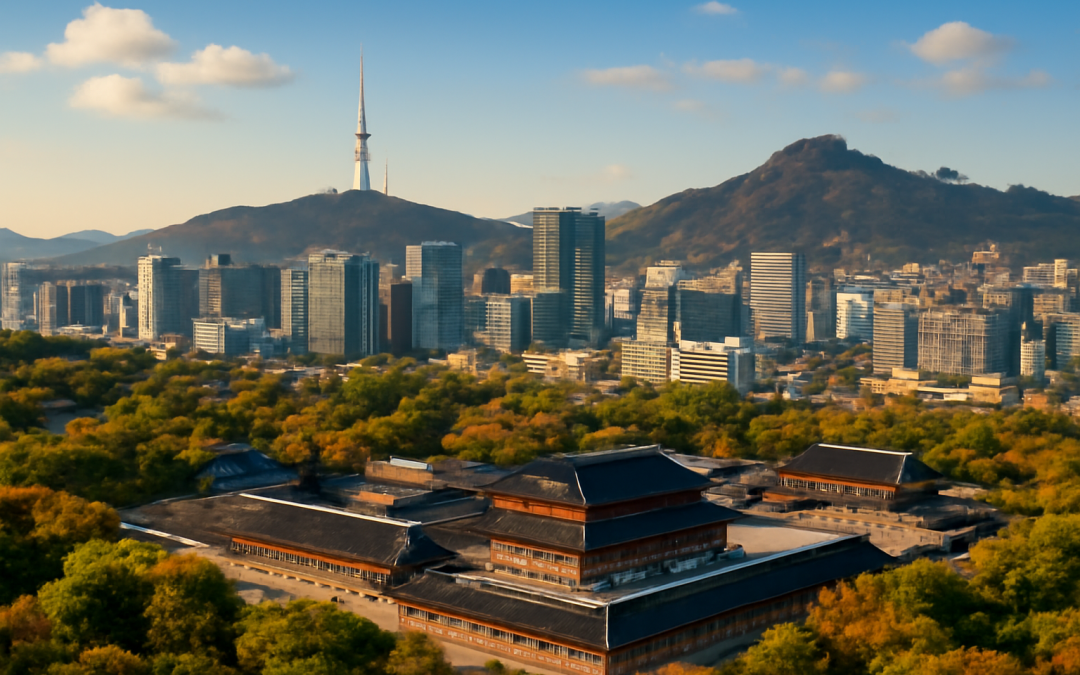
A journey to South Korea offers an exhilarating blend of ancient traditions and futuristic innovations, captivating visitors with its dynamic culture and stunning landscapes. For anyone stepping foot in this vibrant country for the first time, starting in Seoul provides an ideal introduction to the multifaceted character of South Korea. As the bustling capital city, Seoul stands as a symbol of both resilience and progress, where historic palaces nestle amid glittering skyscrapers and lively street markets coexist with high-end shopping districts. However, venturing beyond Seoul reveals equally compelling experiences that enrich the understanding and appreciation of this fascinating nation.
Seoul itself is a metropolis layered with experiences. The city’s history is palpable in places like Gyeongbokgung Palace and Bukchon Hanok Village, where traditional Korean architecture and cultural customs come alive. Visitors can witness the changing of the guard ceremony at Gyeongbokgung, soaking in the elaborate costumes and choreography that harken back to the Joseon Dynasty. Bukchon Hanok Village offers a unique glimpse into the past with its narrow alleyways lined with hanoks—traditional Korean houses that showcase the artistry and craftsmanship of bygone eras. Exploring these sites allows newcomers to grasp the deep historical roots that continue to shape contemporary Korean identity.
Beyond its historical charms, Seoul pulses with modern energy. The city has an unparalleled shopping scene, ranging from the luxury brands in Apgujeong and Cheongdam to the vibrant, youthful atmosphere of Myeongdong and Hongdae. The latter neighborhoods are also epicenters of Korean pop culture, renowned for street performances, colorful cafes, and fashion-forward boutiques. For those interested in technology and innovation, a visit to the Digital Media City or the tech hub around Gangnam offers insight into South Korea’s role as a global leader in digital advancements. These diverse urban experiences provide a comprehensive view of Seoul as a city that honors its past while boldly embracing the future.
Culinary exploration forms another integral part of any trip to South Korea. Seoul, with its countless eateries, ranges from humble street food stalls to Michelin-starred restaurants. Sampling staple dishes like kimchi, bibimbap, tteokbokki, and Korean barbecue helps visitors build an authentic taste for Korean cuisine. Beyond the food itself, dining in Seoul introduces travelers to the cultural practice of communal eating, where sharing plates fosters social connections and a sense of belonging. Korean food culture is deeply intertwined with the country’s values, emphasizing harmony, balance, and respect for ingredients, making the eating experience both delicious and meaningful.
While Seoul offers a wealth of opportunities, the true essence of South Korea unfolds in its diverse regions. Traveling beyond the capital reveals natural beauty and traditional ways of life that contrast with the urban frenzy. For outdoor enthusiasts, places like Seoraksan National Park provide breathtaking hiking trails amid jagged peaks, dense forests, and ancient temples. The park’s diverse flora and fauna, along with its spiritual landmarks, offer visitors moments of tranquility and reflection, enriching their journey with nature and heritage.
The historic city of Gyeongju, often called “the museum without walls,” is another essential destination for beginners exploring South Korea. Once the capital of the Silla Kingdom, Gyeongju boasts an array of archaeological sites, including royal tombs, ancient Buddhist temples, and stone pagodas. Walking through Tumuli Park or the Bulguksa Temple complex immerses visitors in centuries-old stories that shaped Korean civilization. This city offers a unique opportunity to connect with Korea’s deep historical roots far removed from the hustle and bustle of Seoul.
South Korea’s coastal regions also present compelling destinations with their own distinct charm. The southern city of Busan is famous for its lively beaches, seafood markets like Jagalchi, and vibrant festivals. It represents a more relaxed, maritime side of Korean life and serves as a gateway to scenic spots like Taejongdae Park and the picturesque Gamcheon Culture Village. Busan blends natural beauty with cultural richness, providing a refreshing complement to the urban experiences in Seoul.
The island of Jeju is another highlight for travelers looking to see a different facet of South Korea. Known for its volcanic landscapes, waterfalls, and citrus orchards, Jeju offers outstanding hiking opportunities up Hallasan Mountain, the highest peak in South Korea. The island’s unique geology and mythology, including the famous “dol hareubangs” stone statues, make it a destination unlike any other on the peninsula. Jeju is also renowned for its fresh seafood and traditional markets, ensuring that visitors enjoy a feast for both the eyes and the palate.
Getting around South Korea is relatively straightforward, thanks to its well-developed transportation network. The country’s extensive subway systems, high-speed trains such as the KTX, and efficient bus routes make it easy for beginners to navigate unfamiliar terrain. Many travelers find that the integrated public transit options allow them to move seamlessly from Seoul to other major cities or scenic rural areas without stress. Knowing a few basic phrases in Korean and using translation apps can further enhance mobility and interactions with locals.
Cultural respect and understanding are important when visiting South Korea, as the society places high value on etiquette and social harmony. Simple gestures such as bowing when greeting, using both hands when giving or receiving items, and removing shoes before entering a home or certain traditional spaces demonstrate appreciation for Korean customs. For newcomers, these small practices can foster goodwill and make interactions more meaningful. Additionally, learning about Korean holidays, such as Chuseok (harvest festival) and Seollal (Lunar New Year), can enrich travel experiences by offering windows into local festivities and traditions.
Language barriers may initially seem intimidating to beginners, but many South Koreans, especially younger generations and those working in the tourism sector, speak at least conversational English. Tourist information centers, hotels, and popular attractions often provide English signage and materials, ensuring accessibility for international visitors. Mobile apps and translation devices also make it easier to communicate needs and questions. With a little preparation, travelers can smoothly engage with locals and delve deeper into the culture.
Tech-savvy travelers will appreciate South Korea’s reputation as one of the most connected countries in the world. Free Wi-Fi is widely available in public spaces, cafes, and public transportation hubs, allowing visitors to stay linked with family and friends or navigate their itinerary with ease. For those seeking an immersive experience, joining a K-pop dance class or exploring Korean beauty salons are innovative ways to engage with contemporary culture and meet locals who share interests. These hands-on activities provide a lively counterpoint to the more traditional sightseeing adventures.
South Korea’s dynamic festivals and events also attract many visitors. Throughout the year, cities and towns host celebrations that highlight everything from cherry blossoms in spring to lantern festivals in autumn. These cultural gatherings showcase traditional performances, modern entertainment, local crafts, and culinary delights. For those willing to plan around such events, timing visits to coincide with festivals can amplify the unforgettable nature of a Korean journey.
For travelers on a budget, South Korea offers abundant options that don’t compromise on quality. Guesthouses, hostels, and budget hotels are widespread, especially in university neighborhoods and around transportation hubs. Street food remains one of the most affordable and delicious ways to sample Korean flavors. Public parks, free museums, and scenic hiking routes provide plentiful opportunities to enjoy the country’s beauty without spending large sums. This accessibility makes South Korea an inviting destination for young travelers, backpackers, and families alike.
While South Korea is safe and traveler-friendly, there are a few practical tips that beginners should keep in mind. Currency exchange is best managed at official banks and authorized exchangers to avoid scams. Traffic in urban centers can be hectic, making pedestrian caution essential, especially when crossing streets or navigating crowded areas. Being aware of peak times in public transportation can help avoid overcrowding for a more comfortable journey. These small attentions enhance overall convenience and security during the trip.
One of the remarkable aspects of traveling through South Korea is the warmth and hospitality extended by its people. Whether in bustling Seoul or the tranquil countryside, locals often go out of their way to assist travelers, sharing advice, directions, or even welcoming visitors into their homes for cultural experiences. This spirit of generosity deepens the sense of connection and often leaves a lasting impression long after the journey concludes.
In essence, South Korea invites beginners to embark on a multifaceted adventure that marries history, culture, nature, and innovation. Whether wandering the ancient palaces of the capital or trekking the volcanic mountains on Jeju Island, visitors are embraced by a country that honors its traditions while looking boldly to the future. Each region offers distinct flavors and experiences that collectively define the rich tapestry of Korean life. By engaging openly with the people, savoring the cuisine, and exploring both urban and rural landscapes, newcomers quickly find themselves enchanted by the vitality and depth of this captivating nation.
by admin | Oct 5, 2026 | Travel & Destinations
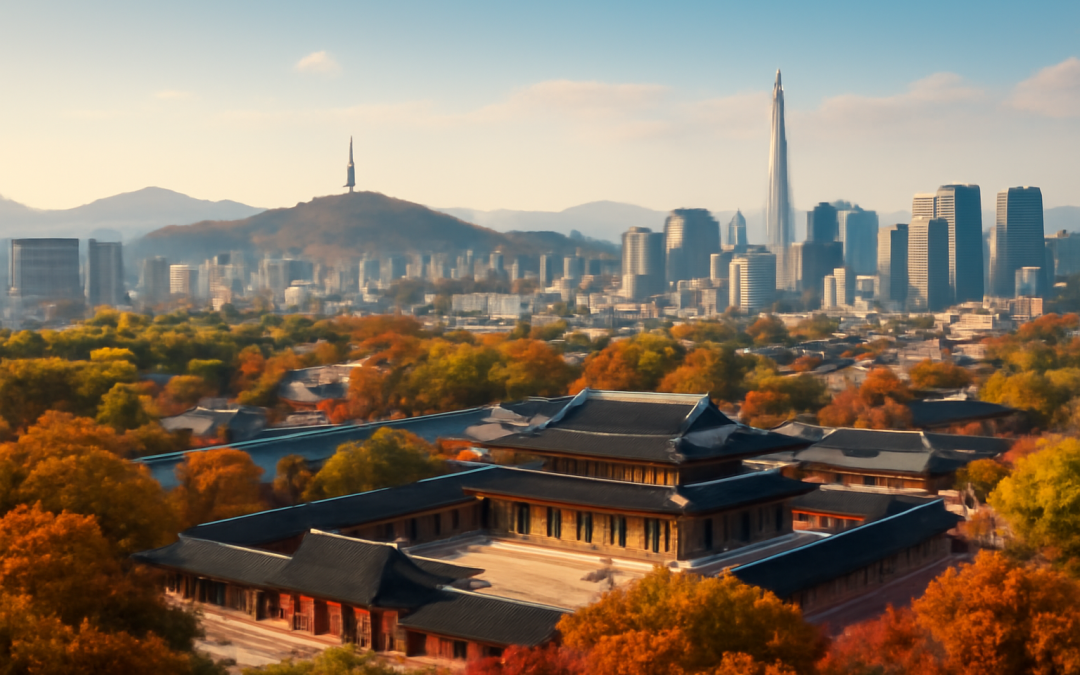
South Korea is a captivating destination that blends ancient traditions with cutting-edge modernity, offering visitors a wealth of experiences that appeal to all types of travelers. For those new to this dynamic country, starting with Seoul is an excellent way to immerse oneself in its rich culture and bustling urban life. The city vibrates with energy, from its gleaming skyscrapers to the peaceful hanoks—traditional Korean houses—nestled within its neighborhoods. Exploring Seoul provides an essential foundation for understanding South Korea’s unique charm before venturing into its diverse regions beyond the capital.
Seoul is a metropolis where history and technology coexist seamlessly. The city’s palaces, such as Gyeongbokgung and Changdeokgung, transport visitors back to the Joseon Dynasty with their intricate architecture and tranquil gardens. These sites offer a glimpse into Korea’s royal past and are ideal starting points for beginners to grasp the country’s historical significance. Visiting a traditional tea house nearby these palaces enriches the experience, allowing travelers to savor authentic Korean tea while soaking in the atmosphere of bygone eras.
Moving beyond the palaces, modern Seoul dazzles with its shopping districts like Myeongdong and Dongdaemun, where international brands meet local fashion trends. Food markets here offer an array of street foods such as tteokbokki (spicy rice cakes) and hotteok (sweet pancakes), inviting visitors to indulge in authentic Korean cuisine. For beginners, tackling these vibrant markets is a delightful introduction to the country’s culinary diversity. Additionally, Korean barbecue restaurants offer interactive dining experiences, where guests grill marinated meats at their tables—creating memorable social moments.
Cultural enthusiasts will find the city’s museums and galleries particularly enriching. The National Museum of Korea displays artifacts dating back thousands of years, while the Dongdaemun Design Plaza showcases contemporary art and futuristic architecture designed by Zaha Hadid. These institutions highlight the breadth of Korean creativity and resilience, reflecting both tradition and innovation. Attending a live performance, such as a traditional Korean dance or a K-pop concert, further deepens one’s appreciation of the country’s evolving cultural scene.
Nature lovers also find solace within Seoul’s urban landscape. The Han River cuts through the city, lined with parks and bike paths that offer picturesque views and leisurely retreats from bustling streets. A short hike up Namsan Mountain culminates in N Seoul Tower, a popular spot offering panoramic cityscapes and a romantic ambiance. This mix of natural beauty and city life emphasizes South Korea’s commitment to balancing preservation with growth, an aspect that fascinates many newcomers.
Once comfortable in Seoul, venturing beyond the capital reveals an entirely different side of South Korea. The city’s efficient transportation network, including high-speed trains like the KTX, makes traveling to other regions both convenient and enjoyable. One of the first stops for many is the ancient city of Gyeongju, often referred to as a “museum without walls.” Once the capital of the Silla Kingdom, it houses numerous historic sites including royal tombs, Buddhist temples, and scenic parks that showcase Korea’s deep-rooted heritage away from urban density.
South Korea’s southern coastline offers enchanting towns such as Busan, known for its beautiful beaches and vibrant seafood markets. Haeundae Beach is a favorite spot where visitors can unwind by the sea while enjoying fresh catches of the day at local eateries. The Jagalchi Fish Market, Asia’s largest seafood market, offers a raw and authentic Korean experience—a stark contrast to Seoul’s polished urban setting. This region, with its ocean breeze and laid-back atmosphere, provides a refreshing change of pace for beginners exploring the country.
For those drawn to mountainous landscapes and traditional villages, a trip to the region of Jeonju is highly rewarding. Famous for its bibimbap, a mixed rice dish with an assortment of vegetables and meat, Jeonju also boasts a well-preserved Hanok Village. Strolling through this area allows visitors to step back into Korea’s past, witnessing everyday life as it might have looked during the Joseon era. The city’s emphasis on cultural preservation, combined with modern comforts, offers beginners a hands-on educational experience.
Further north, the city of Incheon serves as a gateway not only to South Korea but also to its international connections. Beyond being home to one of the world’s busiest airports, Incheon features Chinatown and the vibrant Sinpo International Market, where foodies can sample a variety of snacks blending Korean and Chinese flavors. The city’s blend of old and new encapsulates much of what makes South Korea fascinating—its ability to adopt and adapt foreign influences while retaining a distinct identity.
Adventurous travelers should not miss the natural wonders found throughout the country. The Seoraksan National Park, with its rugged peaks, dense forests, and crystal-clear streams, attracts hikers and nature enthusiasts year-round. It offers diverse trails suitable for both beginners and experienced trekkers, as well as serene temples hidden among the trees. Exploring this park provides a quiet contrast to the urban chaos of Seoul and exemplifies South Korea’s abundant natural beauty that can be enjoyed just a few hours from the capital.
South Korea’s approach to technology and innovation extends beyond the cities and into its countryside, exemplified by projects like smart farms and eco-friendly communities. This blend of tradition and modernity is part of the country’s charm and appeal for first-time visitors. Learning about this delicate balance enhances travel experiences and offers insight into South Korea’s rapid development and sustainability efforts, highlighting why it remains a fascinating destination to explore.
One cannot overlook South Korea’s people and their hospitality, which plays a crucial role in the overall travel experience. Korean culture places great emphasis on respect, community, and sharing, which often manifests in the warmth extended to visitors. Beginners often find that learning a few simple phrases in Korean helps to open doors and foster friendly interactions. Locals tend to be eager to share their culture, food, and stories, making the journey not just about places but also about meaningful personal connections.
For those interested in pop culture, South Korea’s influence has grown enormously through K-pop and Korean dramas, both of which have a significant global following. Visiting landmarks featured in popular media, such as the areas in Itaewon or Gangnam, allows fans to see the real-life settings that have captivated millions worldwide. Attending a live music show or visiting a themed café can be thrilling experiences, giving beginners a contemporary perspective on the nation’s creative pulse.
While exploring, newcomers should also take time to understand the social etiquette and customs that govern daily life. Bowing and polite speech are important, and modest dress is expected in religious or traditional sites. Gift-giving and receiving with both hands is customary, and dining etiquette often involves sharing food and allowing elders to eat first. Familiarity with these social norms enhances cultural sensitivity and enriches the overall experience, fostering a deeper respect for the country and its people.
Traveling in South Korea also means encountering a variety of transportation options that are both efficient and user-friendly. The subway system in Seoul is extensive and easy to navigate, with English signage available throughout. Buses and taxis fill in gaps and provide access to suburbs and lesser-known areas. Outside the capital, regional trains and buses connect cities and tourist spots, supporting seamless exploration. For first-timers, mastering this transportation network opens the door to an immersive and stress-free adventure.
Accommodation in South Korea caters to all budgets and preferences, ranging from luxury hotels in the heart of Seoul to traditional guesthouses in smaller towns. Hanok stays offer a particularly unique opportunity to experience Korean culture overnight, with traditional ondol heated floors and paper sliding doors creating a cozy ambiance. Meanwhile, modern hotels and guesthouses provide comfort and convenience, allowing travelers to rest and recharge easily. Selecting the right type of accommodation helps beginners tailor their trip according to interests and desired experiences.
No journey to South Korea is complete without savoring the diverse and unique culinary offerings that go far beyond Korean barbecue. From savory pancakes like pajeon to spicy stews such as kimchi jjigae, the regional diversity of Korean food is remarkable. Street vendors, posh restaurants, and local markets provide endless opportunities to indulge in new flavors. For beginners, participating in a cooking class or food tour can be educational and fun, deepening appreciation for the nation’s culinary arts and traditions.
Besides urban and natural attractions, South Korea’s festivals offer an engaging way to experience local customs and celebrations. Events such as the annual Lantern Festival in Seoul, the Cherry Blossom Festival in Jinhae, and the Boryeong Mud Festival draw visitors eager to participate in colorful, lively activities. These communal gatherings highlight the Korean spirit and provide memorable moments that connect travelers to the heart of the culture. For first-timers, planning a trip around such events adds a dynamic and joyful dimension to their itinerary.
Finally, understanding South Korea’s historical and geopolitical context enriches a visit tremendously. The country has a complex history marked by periods of colonization, war, and division, particularly the split between North and South Korea. Memorials and museums throughout the nation, including the Demilitarized Zone (DMZ) tours, offer informative perspectives on this history and its contemporary implications. For newcomers, engaging with these stories provides depth and awareness beyond the typical tourist experience.
Overall, South Korea promises a rewarding travel experience full of contrasts—historic and modern, urban and rural, tranquil and lively—that captivate the senses and broaden horizons. Starting with Seoul allows beginners to acclimate to the rhythm of the country and appreciate its cultural depths, while excursions beyond reveal the diversity and warmth that define this fascinating nation. Whether wandering ancient palaces, savoring street food, hiking in serene mountains, or connecting with locals, visitors will find South Korea to be an enriching journey well worth exploring.

by admin | Oct 4, 2026 | Travel & Destinations
Traveling between Japan’s vibrant capital and its historic cultural heart by rail is an experience that blends efficiency, comfort, and the chance to witness the stunning landscapes that lie between Tokyo and Kyoto. The train journey connects two of Japan’s most iconic cities, offering a seamless way to move from the ultramodern skylines of Tokyo to the serene temples and traditional streets of Kyoto. For many visitors, taking the train between these cities is not just a mode of transportation but a quintessential part of the Japanese travel experience. Understanding the basics of this journey can enhance one’s appreciation of the country’s famously punctual and technologically advanced rail system.
The primary train route connecting Tokyo to Kyoto is served by the Shinkansen, Japan’s high-speed bullet train network. The Shinkansen is the fastest and most convenient way to cover the roughly 450 kilometers between the two cities, making it possible to travel in as little as two hours and 15 minutes. Depending on the type of Shinkansen service chosen, travel times may vary slightly, but all options provide a rapid transit experience that dramatically beats other modes of transportation, such as buses or cars. The Shinkansen’s speed and comfort make it a preferred choice for both business travelers and tourists eager to maximize their time exploring rather than traveling.
There are three main Shinkansen services running between Tokyo and Kyoto, each catering to different budgets and schedules. The Nozomi is the fastest train, stopping only at a few major stations and completing the journey in just over two hours. It is the most popular choice for those who prioritize speed and convenience but is not covered by the Japan Rail Pass. The Hikari train comes next, offering a slightly longer journey time, typically around two and a half hours, with a few more stops, and it is included in the JR Pass, making it attractive for tourists who have purchased this pass. Lastly, the Kodama train, which stops at all stations along the route, takes the longest time, usually around four hours, and is less commonly used for direct travel between Tokyo and Kyoto except by those who want to explore smaller towns along the way.
While the Shinkansen dominates headlines, there are also conventional trains running between Tokyo and Kyoto, though these services are much slower and less convenient for tourists. They typically require transfers and lengthy travel times, as well as a deeper understanding of Japan’s complex rail network. However, the convenience and comfort of the Shinkansen generally outweigh the benefits of conventional trains for most travelers. Nonetheless, for those wishing to experience a more traditional train journey or visit smaller destinations en route, regional trains provide additional options but require careful planning.
Booking tickets for the Shinkansen is a straightforward process, with numerous options available for purchasing both reserved and non-reserved seats. Tickets can be bought in advance at train stations, convenience stores, or through online platforms, many of which offer English-language support. Given the popularity of the Tokyo-Kyoto route, especially during peak travel seasons such as Golden Week, New Year holidays, and cherry blossom season, it is advisable to secure reserved seats in advance. Non-reserved cars are available on certain trains and offer flexibility, but they come with the risk of having to stand during busy periods. Additionally, the Japan Rail Pass is a cost-effective option for travelers planning to explore multiple cities and regions across Japan, as it allows unlimited rides on most Shinkansen trains except the Nozomi.
The journey between Tokyo and Kyoto is not only about speed but also about comfort and convenience. Shinkansen trains are renowned for their spacious seating, cleanliness, and thoughtful amenities. Standard class offers comfortable seats with ample legroom, while the Green Car provides a premium experience with larger seats and quieter cars suited for business travelers or those seeking luxury. Passengers can expect clean restrooms, vending machines, and often onboard trolley service offering snacks, drinks, and bento boxes. Additionally, the smooth and quiet ride ensures minimal fatigue, allowing travelers to relax, work, or enjoy the scenery.
Speaking of scenery, the route between Tokyo and Kyoto offers views of Japan’s diverse landscape that vary depending on the season and time of day. Early in the journey, passengers zoom past the sprawling urban expanse of the Kanto region before moving through the foothills and more rural areas. One of the most iconic sights on the journey is Mount Fuji, visible from the train on clear days, particularly from the right side of the train when traveling westward from Tokyo. Catching sight of Japan’s sacred mountain is a memorable highlight for many passengers, offering a spectacular photo opportunity and deepening the cultural resonance of the trip. The picturesque views continue with hills, rivers, and farmland before arriving in the Kansai region, where Kyoto awaits with its rich history and tranquil atmosphere.
Understanding the layout and operation of the main train stations at both ends of the journey enhances the travel experience. Tokyo Station is a sprawling and busy hub, with numerous platforms dedicated to Shinkansen lines. Signage is generally clear and available in English, but the sheer size of the station can be daunting. Arriving early to navigate ticket gates, find the correct platform, and perhaps grab refreshments is wise. Kyoto Station, while smaller, is no less impressive due to its modern architecture and extensive services. It serves as a gateway to the city’s historic districts and is well connected to local trains, buses, and taxis. Both stations provide luggage storage services, making it easy for travelers to explore without dragging heavy bags.
Traveling between Tokyo and Kyoto by train also fits well within broader Japan itineraries. Many visitors use Kyoto as a gateway to exploring traditional Japanese culture, including temples, tea houses, and geisha districts, after experiencing Tokyo’s cutting-edge technology and nightlife. The efficiency of the train system allows for same-day round trips or multi-city excursions, making it possible to tailor trips to diverse interests and time constraints. For instance, those with limited time can depart Tokyo in the morning and explore Kyoto’s highlights by afternoon, returning to Tokyo in the evening. Longer trips offer the chance to stop in cities such as Nagoya or Osaka along the way, where travelers can indulge in regional cuisine or cultural experiences.
One important practical consideration when traveling between Tokyo and Kyoto by train is luggage. While Japan’s trains accommodate passengers with baggage, the Shinkansen has limited storage space directly above the seats, requiring travelers to manage larger luggage thoughtfully. Routers recommend using luggage forwarding services, which are widespread and reliable in Japan, allowing travelers to send bags ahead to their hotel in Kyoto or other destinations. This service not only alleviates the stress of carrying heavy bags on crowded trains but also enhances mobility and comfort during the journey. Alternatively, travelers may use larger luggage areas near certain car doors, but these spaces fill quickly, especially on busy trains.
The convenience, speed, and cultural significance of the train journey between Tokyo and Kyoto cannot be overstated. The Shinkansen has become a symbol of Japan’s innovation and commitment to punctuality, and this route showcases the connectivity that makes exploring Japan both accessible and exciting. For international visitors and locals alike, understanding the basics of this train route demystifies a crucial aspect of Japanese travel and opens the door to discovering the nation’s varied landscapes and cityscapes. Beyond the transportation itself, the trip embodies the seamless fusion of tradition and modernity that defines Japan’s unique charm.
In summary, the train route linking Japan’s bustling capital with its historic heart represents more than just a practical means to move between two points; it is an integral part of the travel experience that enriches the visitor’s journey. The Shinkansen offers unmatched speed, comfort, and technological sophistication, while the landscapes and cityscapes observed along the way reinforce Japan’s status as a country that honors both its past and its future. Whether traveling on business or leisure, first-time visitors or seasoned travelers, mastering the basics of this train trip unlocks the potential for an adventure that is efficient, enjoyable, and memorably Japanese. The harmonious interplay of convenience, culture, and scenery makes the journey itself a highlight worthy of its place in any exploration of the Land of the Rising Sun.

by admin | Oct 4, 2026 | Travel & Destinations
Traveling between two of Japan’s most iconic cities is an experience that goes beyond mere transportation; it is a journey into the heart of the country’s culture, technology, and history. The route from Tokyo to Kyoto by train offers a seamless blend of efficiency, comfort, and scenic beauty, making it one of the most popular and celebrated train journeys in the world. For travelers eager to explore the vibrant metropolis of Tokyo and the historic charm of Kyoto, understanding the basics of this train trip is essential for making the most of the experience.
The backbone of the journey is the Shinkansen, Japan’s famed bullet train network. These high-speed trains are renowned for their punctuality, speed, and safety. Covering the distance of roughly 513 kilometers (318 miles) in as little as two hours and 15 minutes, the Shinkansen transforms what would otherwise be a long car or bus ride into a swift, smooth experience. The journey not only offers rapid transit but also a chance to witness the contrasting landscapes of urban sprawl melting into rural expanses and eventually into cultural heartlands steeped in tradition.
Multiple Shinkansen lines connect Tokyo and Kyoto, but the Tokaido Shinkansen is the most direct and frequently used route. This line boasts three main services: Nozomi, Hikari, and Kodama. Nozomi is the fastest and most frequent, making fewer stops to allow for the quickest trip. Hikari trains balance speed and stops for travelers who may want slightly more flexibility to explore other cities along the way. Kodama trains stop at every station, catering to those who prefer a leisurely pace or wish to visit smaller towns between Tokyo and Kyoto.
One of the captivating aspects of traveling Japan Tokyo to Kyoto by train is the variety of seating options available on the Shinkansen. Passengers can choose between ordinary cars, green cars (equivalent to first-class), and the newest Gran Class cars, which offer premium luxury with spacious seats, refined service, and a quieter cabin environment. This tiered system ensures that a wide spectrum of budgets and preferences is accommodated, making the journey accessible to all kinds of travelers, from budget backpackers to business professionals or luxury tourists.
Tickets can be purchased in advance, at stations, or through official online platforms. For foreign tourists, an economical option is the Japan Rail Pass, which offers unlimited travel on most Shinkansen lines for a set period. The pass must be purchased before arriving in Japan and can significantly reduce transportation costs for those planning multiple trips across the country. However, the Japan Rail Pass does not cover the fastest Nozomi trains, meaning travelers using the pass usually take Hikari or Kodama services instead.
Tokyo Station, the traditional starting point for this route, is an architectural marvel and a sprawling hub of activity. Navigating this station can be overwhelming due to its size and the sheer volume of daily commuters and travelers. However, the signage is clear, and assistance is readily available in multiple languages. Arriving early not only ensures peace of mind but also offers a chance to explore the station’s shops, restaurants, and even its nearby attractions before boarding the train.
Kyoto Station presents a stark contrast with its modern design infused with traditional Japanese aesthetics. As one of the largest and busiest stations in Japan, it serves as a gateway to the city’s rich heritage sites, including its famous temples, shrines, and gardens. Disembarking at Kyoto Station gives travelers immediate access to an extensive transportation network, including buses and local trains that make exploring the city’s historical districts easy and convenient.
The journey between Tokyo and Kyoto by train is also an opportunity to admire Japan’s changing scenery. Leaving Tokyo’s skyline behind, the train speeds through suburban towns before passing the iconic Mount Fuji on clear days. This majestic peak, often snow-capped, provides a breathtaking view that has become one of the most photographed scenes along the route. Continuing west, the landscape shifts to verdant rural areas dotted with rice fields and traditional farmhouses that embody a peaceful countryside lifestyle.
In addition to the scenery, the comfort and convenience offered onboard are key reasons why this route is so beloved. Shinkansen coaches are impeccably clean and equipped with comfortable seating that often reclines and provides ample legroom. Advanced suspension systems ensure a smooth ride even at speeds exceeding 270 kilometers per hour (168 miles per hour). Passengers can access clean restrooms, vending machines, and, on some trains, trolley services that bring snacks, drinks, and regional delicacies directly to their seats.
Another important element for travelers is the punctuality of these trains. Japan’s rail network is famously precise, with delays measured in seconds rather than minutes. This reliability allows for meticulous planning, encouraging travelers to maximize their sightseeing time and adhere to tight schedules, which is especially valuable for business travelers or those connecting to other transportation modes. The efficiency of the service contributes to the overall positive travel experience from the moment tickets are booked to the final arrival.
For first-time visitors, understanding basic train etiquette is also helpful. Passengers are expected to keep conversations quiet, set mobile devices to silent mode, and avoid eating strong-smelling foods in the passenger cars to maintain a pleasant atmosphere for everyone. Priority seating is available for the elderly, pregnant women, and passengers with disabilities, and it’s common courtesy to offer seats to these individuals when the train is crowded. Observing these customs ensures a respectful and comfortable environment onboard.
The connectivity between Tokyo and Kyoto expands beyond just the Shinkansen. Local trains and regional lines link these cities to surrounding areas, offering a wealth of options for more in-depth exploration. For example, travelers interested in visiting historic Nara, scenic Hakone, or the traditional sake breweries around Uji will find these routes easily accessible from Kyoto. Tokyo similarly serves as a launchpad for numerous day trips to destinations such as Nikko, Hakone, or Kamakura via convenient train connections.
In terms of cost, traveling Japan Tokyo to Kyoto by train is considered a premium service with ticket prices reflecting the speed and comfort offered. A one-way fare on the fastest Nozomi Shinkansen ranges roughly between 13,000 to 14,000 yen, depending on the seating class chosen. While this might seem expensive compared to other transportation modes, the benefits of reduced travel time, convenience, and the overall travel experience create a compelling value for many visitors.
Seasonality also plays a role in scheduling and experience. During peak travel times such as Golden Week, New Year holidays, and the cherry blossom season in spring, trains can be very crowded, and advance reservations are highly recommended. Conversely, traveling during off-peak periods may offer a more tranquil journey and better availability for preferred seating options. Additionally, certain trains and times may feature special campaigns or discounts, which travelers can check before their trip to capitalize on.
Technology and innovation are continuously enhancing the experience of traveling from Tokyo to Kyoto by train. Free Wi-Fi services are increasingly available on many Shinkansen trains, allowing passengers to stay connected or work remotely without disruptions. Electronic ticketing systems make boarding faster and simpler, while multilingual announcements and digital signage help international travelers navigate the system with ease. These improvements reflect Japan’s commitment to maintaining one of the world’s most advanced and user-friendly rail networks.
The cultural significance of this route cannot be understated. Tokyo, as the capital city, represents the cutting-edge of Japanese innovation, fashion, and culture, while Kyoto embodies the timeless traditions of Japan through its ancient temples, tea houses, and geisha districts. Traveling between these two cities via train provides a unique perspective on the country’s rapid modernization alongside a deep respect for its heritage. For many travelers, this blend of old and new experienced during the train ride enriches their understanding and appreciation of Japan as a whole.
To maximize the experience, many travelers choose to combine the journey with other activities. Some start their adventure with a luxurious breakfast or bento box enjoyed onboard, featuring regional delicacies that showcase Japan’s culinary diversity. Others plan their visits around seasonal festivals or local events in Kyoto, coordinating their train schedule accordingly. Regardless of the approach, the train journey itself often becomes a highlight rather than just a means to an end.
Ultimately, the train connection between Tokyo and Kyoto exemplifies what modern rail travel strives to be—fast, reliable, and comfortable while offering passengers a rich and immersive experience. It’s not merely a transaction but a part of the adventure, where travelers witness firsthand the seamless integration of tradition and innovation that characterizes Japan. Whether you are a first-time visitor or a seasoned traveler, mastering the essentials of this journey opens the door to memorable exploration and cultural discovery.

by admin | Oct 3, 2026 | Travel & Destinations
Paris captivates travelers with its timeless charm, iconic landmarks, and vibrant culture, making it one of the world’s most sought-after destinations. This city, often described as the epitome of romance and style, offers an immersive experience into art, history, and cuisine. Yet, beyond the bustling streets of the French capital lies a wealth of hidden treasures easily accessible for those wishing to explore more of France’s diverse landscape. These easy day trips from Paris provide a perfect complement to a city stay, allowing visitors to discover castles, vineyards, quaint villages, and natural wonders, all within a short journey from the heart of the city.
Beginning with Paris itself, the city’s landscape is dotted with internationally renowned landmarks such as the Eiffel Tower, Notre-Dame Cathedral, and the Louvre Museum. Each monument tells a story of France’s rich heritage and offers unique perspectives on its past and present. The Louvre, for instance, not only houses masterpieces like the Mona Lisa but also represents centuries of artistic evolution. Walking along the Seine River, amid historic bridges and lively open-air book stalls, also captures the essence of Parisian life, blending old-world charm with modern energy.
The culinary scene in Paris is equally remarkable. From chic bistros and historic cafés on cobblestone streets to world-famous patisseries, the city offers a gastronomic journey unlike any other. Sampling freshly baked croissants, savoring rich escargot, or indulging in delicate macarons alongside a cup of strong French coffee brings an authentic taste of Paris. Exploring local markets, such as the Marché des Enfants Rouges, adds a glimpse of everyday life and an opportunity to engage with the local community.
When stepping outside the city for easy day trips, a trip to the medieval town of Chartres is highly recommended. Located just under an hour by train, Chartres is most famous for its stunning cathedral, which is a masterpiece of Gothic architecture and a UNESCO World Heritage site. The Cathedral of Chartres with its intricate stained glass windows and remarkable symmetry provides a profound insight into medieval craftsmanship and religious art. Walking through the town’s narrow streets, lined with timber-framed houses and small shops, reveals a slower pace of life and centuries-old traditions.
Another excellent destination just a short train ride away is Versailles. Renowned for the magnificent Palace of Versailles, this former royal residence exemplifies opulence and grandeur. The palace’s expansive gardens, with perfectly manicured lawns, fountains, and sculptures, invite leisurely strolls while evoking the luxury of the French monarchy. Inside, visitors can explore the Hall of Mirrors, the King’s Apartments, and lavishly decorated rooms that narrate stories of power and political intrigue. Versailles offers a glimpse into the era of Louis XIV and leaves visitors in awe of the meticulous artistry that shaped an entire period.
For those interested in the wine culture of France, a day trip to the Champagne region introduces an effervescent experience. Towns like Reims and Épernay are accessible within a two-hour journey and boast world-class Champagne houses. Touring vineyards and cellars, visitors learn about the production methods and sample prestigious sparkling wines. These tours often include tastings paired with gourmet snacks and provide a deeper appreciation of the craftsmanship behind Champagne. The surrounding countryside enhances the experience, showcasing rolling hills, charming villages, and historic landmarks such as Reims Cathedral, where French kings were once crowned.
Travelers seeking a more relaxed excursion might consider the region of Giverny, famed for its association with the Impressionist painter Claude Monet. Giverny, located roughly an hour by train and bus, offers visitors a chance to see Monet’s beautifully preserved gardens, including the iconic water lilies pond and Japanese bridge. The colors change beautifully with the seasons, and walking through these vibrant gardens offers a sensory experience that inspired much of Monet’s work. The adjacent museum further enriches the visit with exhibitions about Monet’s life and the Impressionist movement.
Historic enthusiasts may find the town of Fontainebleau a captivating destination for a day trip. The Château de Fontainebleau, a former residence for French monarchs from the Renaissance to Napoleon Bonaparte, stands as an architectural marvel surrounded by extensive forests. The palace’s interiors combine Renaissance and classical styles, featuring exquisite frescoes, grand staircases, and beautifully preserved furnishings. After touring the château, visitors can enjoy leisurely walks or even horseback rides through the nearby forested parklands, which have long served as a royal hunting ground.
Exploring the Loire Valley, often called the “Garden of France,” is another worthwhile journey from Paris, although it may require an early start or a slightly longer day. This region is celebrated for its stunning châteaux, scenic rivers, and fertile vineyards. While several towns are dispersed across the valley, Blois and Amboise offer manageable options for day trips. The Château d’Amboise, perched above the Loire River, was once home to French kings and features elegant Renaissance architecture. Nearby, the Château du Clos Lucé, Leonardo da Vinci’s last residence, provides fascinating insights into the artist’s life and inventions. Touring the Loire Valley brings a blend of history, culture, and breathtaking natural beauty to the day outside Paris.
For those wanting to indulge in both history and coastal charm, the Normandy region offers a glimpse into some of France’s most significant historical events as well as picturesque seaside towns. Normandy can be accessed by train or car, and one of the most accessible spots is Rouen, a vibrant city known for its medieval half-timbered houses and its connection to Joan of Arc. Rouen’s gothic cathedral, immortalized by Monet’s paintings, is another highlight, and the city’s rich history is visible at every turn, from its bustling markets to the historic old town.
A further exploration of Normandy’s coast introduces visitors to the D-Day landing beaches, where poignant museum exhibits and memorials honor the events of World War II. While this area might require more time to fully appreciate, it is attainable as a focused day trip and offers a solemn, reflective complement to the cultural experiences found in Paris. Beyond war history, coastal towns like Honfleur deliver charm and artistic heritage, having inspired countless painters through their picturesque harbors and colorful buildings.
Travelers preferring natural beauty over urban hustle can journey to the Fontainebleau forest, a favorite spot for hikers, climbers, and nature lovers. Located just a short distance from Paris, the forest provides a peaceful escape with a variety of trails weaving through ancient trees and unique sandstone boulders ideal for climbing enthusiasts. The tranquility and fresh air contrast the vibrant city atmosphere, making it an ideal setting for those seeking relaxation and rejuvenation in nature. For outdoor enthusiasts, combining this natural excursion with a visit to Fontainebleau Château can create a balanced itinerary of culture and nature.
In addition to these popular destinations, exploring lesser-known villages around Paris is highly rewarding. Towns like Provins, an exceptional preserved medieval town, invite visitors to step even further back in time. Provins is famed for its fortified walls, subterranean tunnels, and period reenactments that vividly recreate medieval life. Strolling along the cobblestone streets and watching falconry displays offers a unique perspective that contrasts the cosmopolitan pace of Paris. Such gems provide authentic experiences that often define a traveler’s memory of France.
Accessibility and convenience are key factors that make these day trips from Paris so attractive. The city’s extensive and efficient transportation network includes modern trains and buses that connect travelers to nearby regions quickly and comfortably. Many day trips can be planned flexibly, without the need for overnight stays, allowing visitors to return to Paris by evening and continue exploring the capital. This flexibility enables travelers to customize their itineraries according to their interests, whether they lean towards art, history, gastronomy, or countryside tranquility.
For those planning itineraries, weather can influence the enjoyment of these excursions. Spring and early autumn are ideal times to visit, as temperatures are generally mild, crowds are smaller, and the landscapes are vividly colorful. Summer months bring vibrant festivals, but the city and popular day-trip destinations can be more crowded. Winter, though quieter, offers a cozy atmosphere with fewer tourists and unique holiday decorations, especially in Paris and some historic towns. Regardless of the season, France’s varied offerings provide enough diversity to ensure a rewarding travel experience.
Ultimately, a visit to France that centers around Paris and easy day trips presents a harmonious blend of urban sophistication and regional charm. From wandering through world-famous art collections and savoring gourmet meals to exploring fairy-tale castles and serene rural landscapes, every journey outside the city enriches the understanding of France’s cultural depth. These excursions highlight the country’s remarkable ability to preserve its past while remaining lively and engaging in the present day. They invite travelers to savor the simple pleasures of everyday French life and create lasting memories beyond the city’s famous boulevards and monuments.
In embracing this dual approach to travel, visitors gain not only a well-rounded perspective of France’s heritage but also an appreciation of the diverse experiences offered within reach of Paris. Whether it is the grandeur of royal palaces, the tranquility of gardens immortalized by painters, or the taste of sparkling Champagne produced from meticulously tended vineyards, these accessible destinations enrich any travel itinerary. This mix of the familiar and the unexpected ensures a deeply satisfying adventure for those eager to explore beyond the city’s limits while still enjoying the comforts of the French capital as their base.

by admin | Oct 3, 2026 | Travel & Destinations
Paris is a city that effortlessly blends history, culture, art, and gastronomy, creating an atmosphere that captivates visitors from the moment they arrive. The enchanting streets lined with elegant Haussmann-style buildings, the mesmerizing flow of the Seine River, and iconic landmarks like the Eiffel Tower and Notre-Dame Cathedral make it a destination that continues to inspire awe. Yet, beyond the vibrant cityscape, the surrounding regions offer a wealth of experiences that complement a Parisian adventure perfectly. For those wishing to expand their itinerary, easy day trips accessible from the capital provide a glimpse into the diverse tapestry of French heritage and lifestyle.
Exploring the heart of the French capital is an experience like no other. Paris’ museums house some of the world’s most renowned collections, with the Louvre beckoning art enthusiasts to marvel at masterpieces such as the Mona Lisa and the Winged Victory of Samothrace. The Musée d’Orsay, located in a former railway station, showcases impressive Impressionist works from artists like Monet and Van Gogh, giving insight into the city’s artistic evolution. Walking along the Seine’s banks on a crisp morning, visitors can encounter charming bouquinistes selling vintage books and prints, adding to the city’s timeless allure.
The culinary scene in Paris remains a highlight for many travelers. Traditional bistros serve hearty dishes like coq au vin and duck confit, while patisseries tempt even the most disciplined with buttery croissants, éclairs, and macaroons. Wandering through markets such as Marché d’Aligre or Marché Bastille offers a sensory feast, with fresh produce, cheeses, and charcuterie allowing visitors to sample local flavors. The café culture here is not merely about food, but the distinctive Parisian way of life—sitting outdoors, watching the world go by, and soaking in the city’s unique rhythm.
However, Paris itself is just the beginning. The surrounding areas are ripe for exploration and can be easily reached using the efficient French rail network or by car. One of the most beloved excursions from the city is to the Palace of Versailles. This grandiose 17th-century château stands as a testament to the power and opulence of the French monarchy before the revolution. Its sprawling gardens, decorated with fountains and sculptures, invite leisurely strolls, while the Hall of Mirrors and the ornate royal apartments offer a peek into a lavish past. Day visitors find Versailles to be both a visually stunning and historically enriching destination, with many appreciating its contrast to Paris’ urban energy.
A short train ride south of Paris lies the charming town of Chartres, renowned for its magnificent Gothic cathedral. Chartres Cathedral, a UNESCO World Heritage Site, is famous for its remarkably preserved stained-glass windows, which tell biblical stories through vibrant colors and intricate designs. The town itself exudes old-world charm, with half-timbered houses and cobbled streets that entice visitors to explore beyond the main attraction. For those interested in medieval architecture and a quieter pace, Chartres serves as a peaceful retreat from the bustling capital.
Further afield, the Loire Valley offers another compelling day trip opportunity worthy of mention. Known as the “Garden of France,” this region is dotted with impressive châteaux set amidst verdant landscapes and vineyards. While a full day’s tour is required to visit multiple castles, even choosing one or two is worthwhile. Château de Chambord impresses visitors with its distinctive French Renaissance architecture and expansive grounds, while Château de Chenonceau captivates with its graceful arches spanning the River Cher. The valley also invites travelers to sample exquisite wines and enjoy the serene countryside ambiance, making it a perfect contrast to city life.
For a taste of coastal tranquility, less than two hours from Paris lies the picturesque town of Honfleur in Normandy. Honfleur’s colorful waterfront, lined with historic timber-framed houses, has inspired countless artists including Claude Monet. Strolling along the Vieux Bassin harbor, visitors can savor fresh seafood in local bistros or browse art galleries showcasing the region’s artistic heritage. Normandy’s proximity to Paris makes Honfleur an accessible refuge where sea air and quaint streets combine to offer a distinctly different French experience.
History aficionados may find the D-Day beaches of Normandy to be a poignant and moving day trip from Paris. This stretch of coastline commemorates the Allied invasion during World War II and includes sites such as Omaha Beach, the American Cemetery at Colleville-sur-Mer, and the Utah Beach Museum. Guided tours offer in-depth narratives of the events that unfolded, alongside opportunities for reflection and remembrance. The journey to the Normandy coast involves a longer travel time but remains feasible for day trippers intent on paying homage to pivotal chapters in global history.
Closer to Paris, the medieval city of Provins is a hidden gem characterized by its well-preserved city walls and historic towers. Recognized as a UNESCO World Heritage Site, Provins offers visitors a chance to step back into the Middle Ages through its architecture, reenactments, and artisan craft shops. The town’s annual festivals and traditional fairs are highlights, engaging tourists with cultural customs that have been carefully maintained over centuries. Its proximity to Paris ensures travelers can immerse themselves in history without sacrificing convenience.
Nature lovers and outdoor enthusiasts will appreciate Fontainebleau, famous for its vast forest and the magnificent Château de Fontainebleau. The château served as a residence for French monarchs across many centuries and features sumptuous interiors and extensive gardens. Surrounding the estate, the forest provides a haven for hiking, climbing, and horseback riding, with well-marked trails that weave through diverse landscapes. It is a rejuvenating escape that balances the cultural richness of a royal palace with the natural beauty of the French countryside.
Transportation options between Paris and its surroundings have been continuously improved to facilitate easy day trips. The suburban train system known as RER connects the city center to key destinations like Versailles and Fontainebleau efficiently. Additionally, the high-speed TGV trains reduce travel time to farther locales such as the Loire Valley and Normandy, making these regions perfectly accessible for even brief visits. Renting a car offers further flexibility, allowing travelers to meander along smaller roads, discover lesser-known villages, and tailor their itinerary at their own pace.
Each of these day trips reveals a different facet of French culture and history, complementing the experiences found within the city. Whether wandering through palatial halls, walking ancient streets, exploring lush natural settings, or reflecting at historic sites, visitors gain a deeper understanding of France’s diverse allure. Many find that venturing outside Paris enhances their appreciation for the country’s contrasts—the synergy between grandeur and simplicity, tradition and modernity, art and nature.
Moreover, these excursions also highlight the country’s regional distinctions, from architectural styles to culinary specialties. Sampling calvados in Normandy or tasting the crisp white wines of the Loire brings a regional flavor that enriches the broader French narrative. Encountering local markets and festivals offers an authentic connection to residents’ lives beyond the capital. This interaction with the countryside and smaller towns fosters a more complete and rewarding travel experience.
Planning these day trips is quite straightforward, especially given the ample resources available online and at local tourist offices. Many tour operators provide guided excursions that include transportation and expert commentary, ideal for those who prefer convenience or want historical insights. However, independent travelers can easily devise custom outings adjusting destinations, durations, and interests. Early starts are often recommended to maximize time, particularly when visiting multiple sites or popular attractions.
In terms of seasonality, spring and early fall tend to offer the most pleasant conditions for venturing outside Paris. Mild temperatures and fewer crowds make outdoor explorations more enjoyable. Summer can be busier, especially in well-known places like Versailles and the Loire Valley, but the extended daylight hours provide flexibility for longer itineraries. Winter visits can have their charm too, with festive atmospheres during the holidays and quieter surroundings in the countryside, albeit with shorter days and cooler weather.
Whatever the time of year, the opportunity to escape the sprawling urban core unveils an array of enriching encounters. These merry or reflective moments, immersed in distinctive settings, contribute significantly to the lasting memories forged in France. Travelers often find that the blend of city vibrancy with pastoral charm is what truly defines their journey, leaving them with a nuanced appreciation for the country’s cultural wealth.
Ultimately, the allure of Paris intertwined with the potential for easy day trips allows visitors to create layered travel experiences that extend beyond famous landmarks. This combination satisfies diverse interests—whether one seeks artistic inspiration, historical depth, natural serenity, or culinary delights. By stepping outside the Parisian bubble, travelers unearth stories and scenes that complement and diversify their understanding of France as a whole. Each excursion, while just a day long, can feel like a voyage through time and tradition, richer than words alone can convey.
Thus, for anyone fortunate enough to explore this iconic European destination with its surroundings, the dual experience of city exploration coupled with accessible excursions equals an unforgettable adventure. It is a reminder that beneath the glossy surface often seen in postcards lies a country full of surprises, waiting patiently just beyond the horizon of the capital. This balance between the extraordinary and the intimate defines the essence of traveling through this remarkable corner of the world.