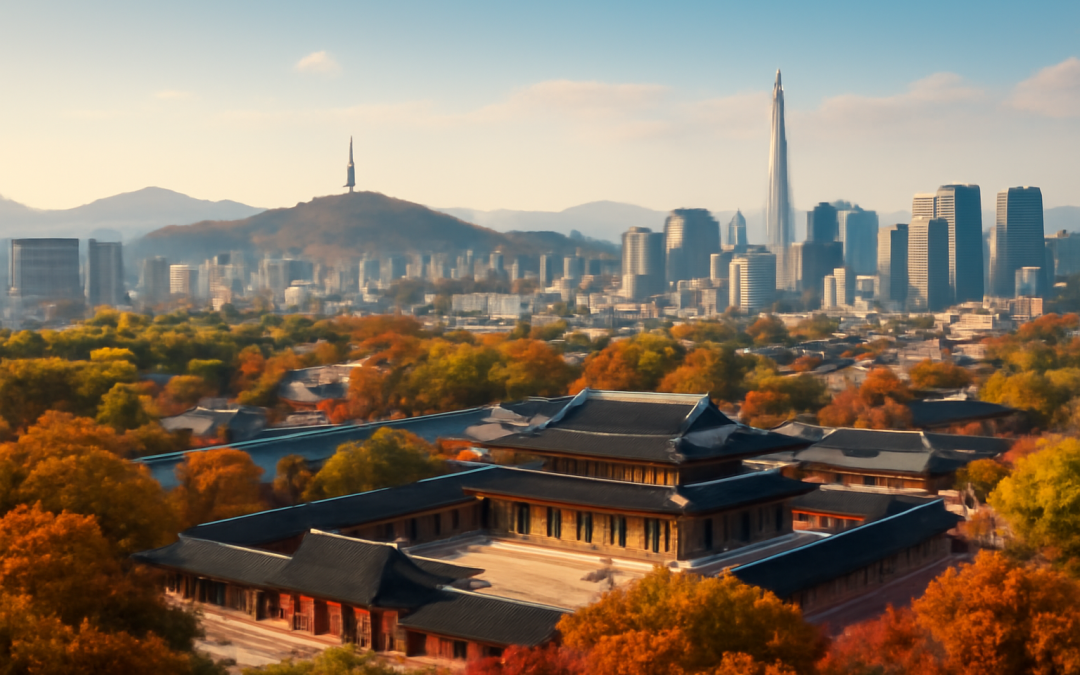
South Korea is a captivating destination that blends ancient traditions with cutting-edge modernity, offering visitors a wealth of experiences that appeal to all types of travelers. For those new to this dynamic country, starting with Seoul is an excellent way to immerse oneself in its rich culture and bustling urban life. The city vibrates with energy, from its gleaming skyscrapers to the peaceful hanoks—traditional Korean houses—nestled within its neighborhoods. Exploring Seoul provides an essential foundation for understanding South Korea’s unique charm before venturing into its diverse regions beyond the capital.
Seoul is a metropolis where history and technology coexist seamlessly. The city’s palaces, such as Gyeongbokgung and Changdeokgung, transport visitors back to the Joseon Dynasty with their intricate architecture and tranquil gardens. These sites offer a glimpse into Korea’s royal past and are ideal starting points for beginners to grasp the country’s historical significance. Visiting a traditional tea house nearby these palaces enriches the experience, allowing travelers to savor authentic Korean tea while soaking in the atmosphere of bygone eras.
Moving beyond the palaces, modern Seoul dazzles with its shopping districts like Myeongdong and Dongdaemun, where international brands meet local fashion trends. Food markets here offer an array of street foods such as tteokbokki (spicy rice cakes) and hotteok (sweet pancakes), inviting visitors to indulge in authentic Korean cuisine. For beginners, tackling these vibrant markets is a delightful introduction to the country’s culinary diversity. Additionally, Korean barbecue restaurants offer interactive dining experiences, where guests grill marinated meats at their tables—creating memorable social moments.
Cultural enthusiasts will find the city’s museums and galleries particularly enriching. The National Museum of Korea displays artifacts dating back thousands of years, while the Dongdaemun Design Plaza showcases contemporary art and futuristic architecture designed by Zaha Hadid. These institutions highlight the breadth of Korean creativity and resilience, reflecting both tradition and innovation. Attending a live performance, such as a traditional Korean dance or a K-pop concert, further deepens one’s appreciation of the country’s evolving cultural scene.
Nature lovers also find solace within Seoul’s urban landscape. The Han River cuts through the city, lined with parks and bike paths that offer picturesque views and leisurely retreats from bustling streets. A short hike up Namsan Mountain culminates in N Seoul Tower, a popular spot offering panoramic cityscapes and a romantic ambiance. This mix of natural beauty and city life emphasizes South Korea’s commitment to balancing preservation with growth, an aspect that fascinates many newcomers.
Once comfortable in Seoul, venturing beyond the capital reveals an entirely different side of South Korea. The city’s efficient transportation network, including high-speed trains like the KTX, makes traveling to other regions both convenient and enjoyable. One of the first stops for many is the ancient city of Gyeongju, often referred to as a “museum without walls.” Once the capital of the Silla Kingdom, it houses numerous historic sites including royal tombs, Buddhist temples, and scenic parks that showcase Korea’s deep-rooted heritage away from urban density.
South Korea’s southern coastline offers enchanting towns such as Busan, known for its beautiful beaches and vibrant seafood markets. Haeundae Beach is a favorite spot where visitors can unwind by the sea while enjoying fresh catches of the day at local eateries. The Jagalchi Fish Market, Asia’s largest seafood market, offers a raw and authentic Korean experience—a stark contrast to Seoul’s polished urban setting. This region, with its ocean breeze and laid-back atmosphere, provides a refreshing change of pace for beginners exploring the country.
For those drawn to mountainous landscapes and traditional villages, a trip to the region of Jeonju is highly rewarding. Famous for its bibimbap, a mixed rice dish with an assortment of vegetables and meat, Jeonju also boasts a well-preserved Hanok Village. Strolling through this area allows visitors to step back into Korea’s past, witnessing everyday life as it might have looked during the Joseon era. The city’s emphasis on cultural preservation, combined with modern comforts, offers beginners a hands-on educational experience.
Further north, the city of Incheon serves as a gateway not only to South Korea but also to its international connections. Beyond being home to one of the world’s busiest airports, Incheon features Chinatown and the vibrant Sinpo International Market, where foodies can sample a variety of snacks blending Korean and Chinese flavors. The city’s blend of old and new encapsulates much of what makes South Korea fascinating—its ability to adopt and adapt foreign influences while retaining a distinct identity.
Adventurous travelers should not miss the natural wonders found throughout the country. The Seoraksan National Park, with its rugged peaks, dense forests, and crystal-clear streams, attracts hikers and nature enthusiasts year-round. It offers diverse trails suitable for both beginners and experienced trekkers, as well as serene temples hidden among the trees. Exploring this park provides a quiet contrast to the urban chaos of Seoul and exemplifies South Korea’s abundant natural beauty that can be enjoyed just a few hours from the capital.
South Korea’s approach to technology and innovation extends beyond the cities and into its countryside, exemplified by projects like smart farms and eco-friendly communities. This blend of tradition and modernity is part of the country’s charm and appeal for first-time visitors. Learning about this delicate balance enhances travel experiences and offers insight into South Korea’s rapid development and sustainability efforts, highlighting why it remains a fascinating destination to explore.
One cannot overlook South Korea’s people and their hospitality, which plays a crucial role in the overall travel experience. Korean culture places great emphasis on respect, community, and sharing, which often manifests in the warmth extended to visitors. Beginners often find that learning a few simple phrases in Korean helps to open doors and foster friendly interactions. Locals tend to be eager to share their culture, food, and stories, making the journey not just about places but also about meaningful personal connections.
For those interested in pop culture, South Korea’s influence has grown enormously through K-pop and Korean dramas, both of which have a significant global following. Visiting landmarks featured in popular media, such as the areas in Itaewon or Gangnam, allows fans to see the real-life settings that have captivated millions worldwide. Attending a live music show or visiting a themed café can be thrilling experiences, giving beginners a contemporary perspective on the nation’s creative pulse.
While exploring, newcomers should also take time to understand the social etiquette and customs that govern daily life. Bowing and polite speech are important, and modest dress is expected in religious or traditional sites. Gift-giving and receiving with both hands is customary, and dining etiquette often involves sharing food and allowing elders to eat first. Familiarity with these social norms enhances cultural sensitivity and enriches the overall experience, fostering a deeper respect for the country and its people.
Traveling in South Korea also means encountering a variety of transportation options that are both efficient and user-friendly. The subway system in Seoul is extensive and easy to navigate, with English signage available throughout. Buses and taxis fill in gaps and provide access to suburbs and lesser-known areas. Outside the capital, regional trains and buses connect cities and tourist spots, supporting seamless exploration. For first-timers, mastering this transportation network opens the door to an immersive and stress-free adventure.
Accommodation in South Korea caters to all budgets and preferences, ranging from luxury hotels in the heart of Seoul to traditional guesthouses in smaller towns. Hanok stays offer a particularly unique opportunity to experience Korean culture overnight, with traditional ondol heated floors and paper sliding doors creating a cozy ambiance. Meanwhile, modern hotels and guesthouses provide comfort and convenience, allowing travelers to rest and recharge easily. Selecting the right type of accommodation helps beginners tailor their trip according to interests and desired experiences.
No journey to South Korea is complete without savoring the diverse and unique culinary offerings that go far beyond Korean barbecue. From savory pancakes like pajeon to spicy stews such as kimchi jjigae, the regional diversity of Korean food is remarkable. Street vendors, posh restaurants, and local markets provide endless opportunities to indulge in new flavors. For beginners, participating in a cooking class or food tour can be educational and fun, deepening appreciation for the nation’s culinary arts and traditions.
Besides urban and natural attractions, South Korea’s festivals offer an engaging way to experience local customs and celebrations. Events such as the annual Lantern Festival in Seoul, the Cherry Blossom Festival in Jinhae, and the Boryeong Mud Festival draw visitors eager to participate in colorful, lively activities. These communal gatherings highlight the Korean spirit and provide memorable moments that connect travelers to the heart of the culture. For first-timers, planning a trip around such events adds a dynamic and joyful dimension to their itinerary.
Finally, understanding South Korea’s historical and geopolitical context enriches a visit tremendously. The country has a complex history marked by periods of colonization, war, and division, particularly the split between North and South Korea. Memorials and museums throughout the nation, including the Demilitarized Zone (DMZ) tours, offer informative perspectives on this history and its contemporary implications. For newcomers, engaging with these stories provides depth and awareness beyond the typical tourist experience.
Overall, South Korea promises a rewarding travel experience full of contrasts—historic and modern, urban and rural, tranquil and lively—that captivate the senses and broaden horizons. Starting with Seoul allows beginners to acclimate to the rhythm of the country and appreciate its cultural depths, while excursions beyond reveal the diversity and warmth that define this fascinating nation. Whether wandering ancient palaces, savoring street food, hiking in serene mountains, or connecting with locals, visitors will find South Korea to be an enriching journey well worth exploring.