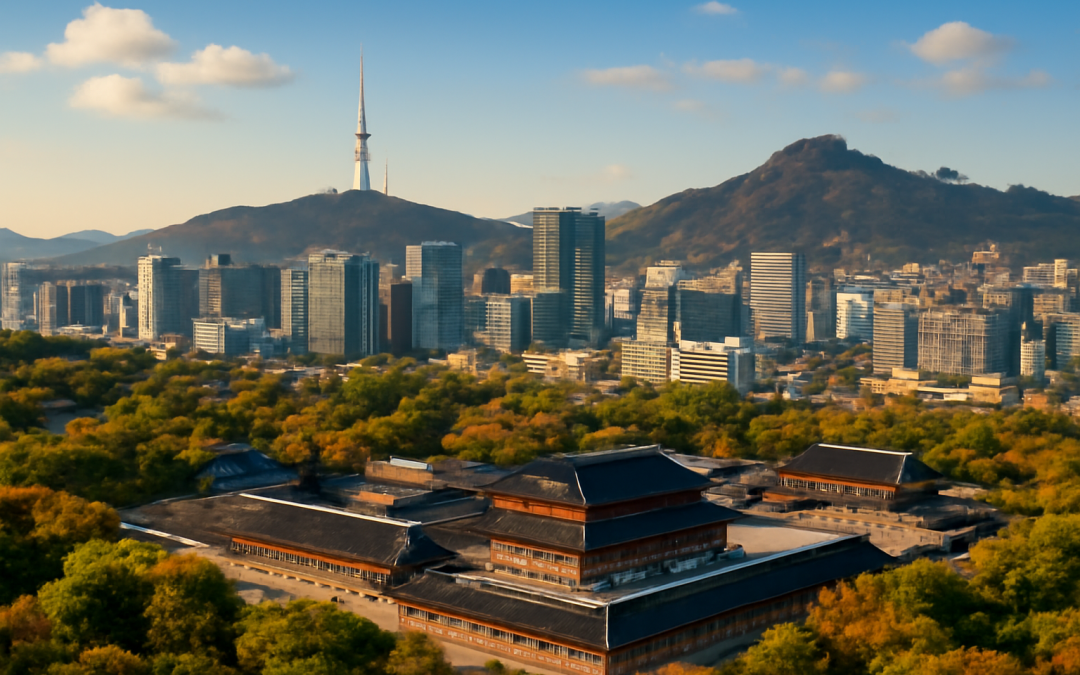
A journey to South Korea offers an exhilarating blend of ancient traditions and futuristic innovations, captivating visitors with its dynamic culture and stunning landscapes. For anyone stepping foot in this vibrant country for the first time, starting in Seoul provides an ideal introduction to the multifaceted character of South Korea. As the bustling capital city, Seoul stands as a symbol of both resilience and progress, where historic palaces nestle amid glittering skyscrapers and lively street markets coexist with high-end shopping districts. However, venturing beyond Seoul reveals equally compelling experiences that enrich the understanding and appreciation of this fascinating nation.
Seoul itself is a metropolis layered with experiences. The city’s history is palpable in places like Gyeongbokgung Palace and Bukchon Hanok Village, where traditional Korean architecture and cultural customs come alive. Visitors can witness the changing of the guard ceremony at Gyeongbokgung, soaking in the elaborate costumes and choreography that harken back to the Joseon Dynasty. Bukchon Hanok Village offers a unique glimpse into the past with its narrow alleyways lined with hanoks—traditional Korean houses that showcase the artistry and craftsmanship of bygone eras. Exploring these sites allows newcomers to grasp the deep historical roots that continue to shape contemporary Korean identity.
Beyond its historical charms, Seoul pulses with modern energy. The city has an unparalleled shopping scene, ranging from the luxury brands in Apgujeong and Cheongdam to the vibrant, youthful atmosphere of Myeongdong and Hongdae. The latter neighborhoods are also epicenters of Korean pop culture, renowned for street performances, colorful cafes, and fashion-forward boutiques. For those interested in technology and innovation, a visit to the Digital Media City or the tech hub around Gangnam offers insight into South Korea’s role as a global leader in digital advancements. These diverse urban experiences provide a comprehensive view of Seoul as a city that honors its past while boldly embracing the future.
Culinary exploration forms another integral part of any trip to South Korea. Seoul, with its countless eateries, ranges from humble street food stalls to Michelin-starred restaurants. Sampling staple dishes like kimchi, bibimbap, tteokbokki, and Korean barbecue helps visitors build an authentic taste for Korean cuisine. Beyond the food itself, dining in Seoul introduces travelers to the cultural practice of communal eating, where sharing plates fosters social connections and a sense of belonging. Korean food culture is deeply intertwined with the country’s values, emphasizing harmony, balance, and respect for ingredients, making the eating experience both delicious and meaningful.
While Seoul offers a wealth of opportunities, the true essence of South Korea unfolds in its diverse regions. Traveling beyond the capital reveals natural beauty and traditional ways of life that contrast with the urban frenzy. For outdoor enthusiasts, places like Seoraksan National Park provide breathtaking hiking trails amid jagged peaks, dense forests, and ancient temples. The park’s diverse flora and fauna, along with its spiritual landmarks, offer visitors moments of tranquility and reflection, enriching their journey with nature and heritage.
The historic city of Gyeongju, often called “the museum without walls,” is another essential destination for beginners exploring South Korea. Once the capital of the Silla Kingdom, Gyeongju boasts an array of archaeological sites, including royal tombs, ancient Buddhist temples, and stone pagodas. Walking through Tumuli Park or the Bulguksa Temple complex immerses visitors in centuries-old stories that shaped Korean civilization. This city offers a unique opportunity to connect with Korea’s deep historical roots far removed from the hustle and bustle of Seoul.
South Korea’s coastal regions also present compelling destinations with their own distinct charm. The southern city of Busan is famous for its lively beaches, seafood markets like Jagalchi, and vibrant festivals. It represents a more relaxed, maritime side of Korean life and serves as a gateway to scenic spots like Taejongdae Park and the picturesque Gamcheon Culture Village. Busan blends natural beauty with cultural richness, providing a refreshing complement to the urban experiences in Seoul.
The island of Jeju is another highlight for travelers looking to see a different facet of South Korea. Known for its volcanic landscapes, waterfalls, and citrus orchards, Jeju offers outstanding hiking opportunities up Hallasan Mountain, the highest peak in South Korea. The island’s unique geology and mythology, including the famous “dol hareubangs” stone statues, make it a destination unlike any other on the peninsula. Jeju is also renowned for its fresh seafood and traditional markets, ensuring that visitors enjoy a feast for both the eyes and the palate.
Getting around South Korea is relatively straightforward, thanks to its well-developed transportation network. The country’s extensive subway systems, high-speed trains such as the KTX, and efficient bus routes make it easy for beginners to navigate unfamiliar terrain. Many travelers find that the integrated public transit options allow them to move seamlessly from Seoul to other major cities or scenic rural areas without stress. Knowing a few basic phrases in Korean and using translation apps can further enhance mobility and interactions with locals.
Cultural respect and understanding are important when visiting South Korea, as the society places high value on etiquette and social harmony. Simple gestures such as bowing when greeting, using both hands when giving or receiving items, and removing shoes before entering a home or certain traditional spaces demonstrate appreciation for Korean customs. For newcomers, these small practices can foster goodwill and make interactions more meaningful. Additionally, learning about Korean holidays, such as Chuseok (harvest festival) and Seollal (Lunar New Year), can enrich travel experiences by offering windows into local festivities and traditions.
Language barriers may initially seem intimidating to beginners, but many South Koreans, especially younger generations and those working in the tourism sector, speak at least conversational English. Tourist information centers, hotels, and popular attractions often provide English signage and materials, ensuring accessibility for international visitors. Mobile apps and translation devices also make it easier to communicate needs and questions. With a little preparation, travelers can smoothly engage with locals and delve deeper into the culture.
Tech-savvy travelers will appreciate South Korea’s reputation as one of the most connected countries in the world. Free Wi-Fi is widely available in public spaces, cafes, and public transportation hubs, allowing visitors to stay linked with family and friends or navigate their itinerary with ease. For those seeking an immersive experience, joining a K-pop dance class or exploring Korean beauty salons are innovative ways to engage with contemporary culture and meet locals who share interests. These hands-on activities provide a lively counterpoint to the more traditional sightseeing adventures.
South Korea’s dynamic festivals and events also attract many visitors. Throughout the year, cities and towns host celebrations that highlight everything from cherry blossoms in spring to lantern festivals in autumn. These cultural gatherings showcase traditional performances, modern entertainment, local crafts, and culinary delights. For those willing to plan around such events, timing visits to coincide with festivals can amplify the unforgettable nature of a Korean journey.
For travelers on a budget, South Korea offers abundant options that don’t compromise on quality. Guesthouses, hostels, and budget hotels are widespread, especially in university neighborhoods and around transportation hubs. Street food remains one of the most affordable and delicious ways to sample Korean flavors. Public parks, free museums, and scenic hiking routes provide plentiful opportunities to enjoy the country’s beauty without spending large sums. This accessibility makes South Korea an inviting destination for young travelers, backpackers, and families alike.
While South Korea is safe and traveler-friendly, there are a few practical tips that beginners should keep in mind. Currency exchange is best managed at official banks and authorized exchangers to avoid scams. Traffic in urban centers can be hectic, making pedestrian caution essential, especially when crossing streets or navigating crowded areas. Being aware of peak times in public transportation can help avoid overcrowding for a more comfortable journey. These small attentions enhance overall convenience and security during the trip.
One of the remarkable aspects of traveling through South Korea is the warmth and hospitality extended by its people. Whether in bustling Seoul or the tranquil countryside, locals often go out of their way to assist travelers, sharing advice, directions, or even welcoming visitors into their homes for cultural experiences. This spirit of generosity deepens the sense of connection and often leaves a lasting impression long after the journey concludes.
In essence, South Korea invites beginners to embark on a multifaceted adventure that marries history, culture, nature, and innovation. Whether wandering the ancient palaces of the capital or trekking the volcanic mountains on Jeju Island, visitors are embraced by a country that honors its traditions while looking boldly to the future. Each region offers distinct flavors and experiences that collectively define the rich tapestry of Korean life. By engaging openly with the people, savoring the cuisine, and exploring both urban and rural landscapes, newcomers quickly find themselves enchanted by the vitality and depth of this captivating nation.