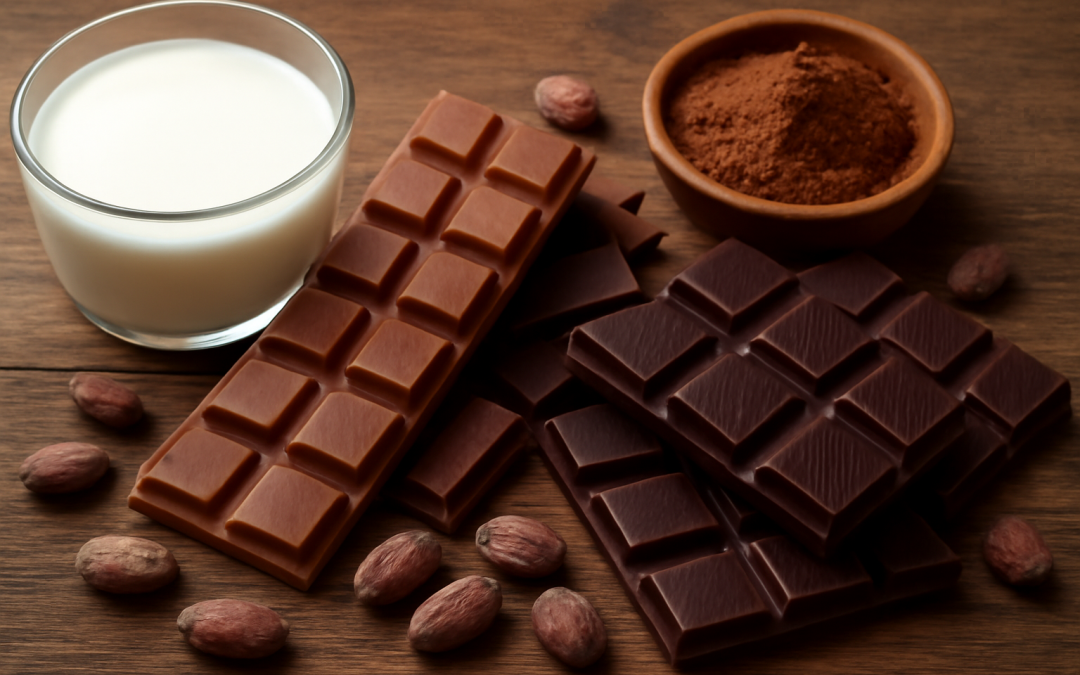
The love affair with chocolate dates back thousands of years, evolving from an ancient, bitter beverage to the sweet, creamy treat enjoyed worldwide today. Among the many types of chocolate, milk and dark varieties occupy distinct yet intertwined roles in culinary history. Both began as simple preparations with the cacao bean and transformed through cultural influences, technological advancements, and changing tastes. Exploring their origins and development reveals not only a story of flavor and preference but also, importantly, a reflection of social and economic changes across centuries.
The journey of chocolate starts with the cacao tree, native to regions in Central and South America. Indigenous peoples such as the Olmecs, Mayans, and Aztecs were among the first to cultivate cacao and use it primarily as a bitter, spiced beverage rather than a solid confection. The Aztecs, for instance, prized cacao for its supposed divine properties and consumed it as a dark, frothy drink mixed with chili peppers, cornmeal, or vanilla. This early form of chocolate was fundamentally a precursor of what we now consider dark chocolate, with its rich, intense cacao flavor and absence of dairy or added sugars.
European contact with cacao began during the late 15th and early 16th centuries, during the age of exploration when Spanish conquistadors encountered chocolate in the New World. Initially, the traditional bitter drink was not immediately embraced by Europeans. Over time, however, it was adapted by adding sugar, cinnamon, and sometimes milk to temper its bitterness and make it more palatable to European tastes. These alterations marked an important early divergence in chocolate’s history, setting the stage for the eventual rise of milk chocolate as a gentler, sweeter alternative to dark chocolate.
The 17th and 18th centuries saw chocolate’s increasing popularity among the European aristocracy. Chocolatehouses, much like coffeehouses, sprang up as social hubs for the elite, where rich, sweetened chocolate beverages were consumed for pleasure and perceived health benefits. The beverage was still predominantly dark chocolate, often thickened and sweetened, but rarely included milk. Dairy was sometimes present but typically in the form of cream or whey rather than fresh milk.
A dramatic shift occurred in the 19th century, fueled by advances in food processing and manufacturing technology. One key innovation was the invention of the cocoa press by Coenraad van Houten in 1828. This device separated cocoa solids from cocoa butter, enabling manufacturers to create cocoa powder and chocolate with improved texture and flavor consistency. This invention facilitated the mass production of chocolate and laid the foundation for new types of chocolate products.
Building on this technological foundation, the addition of milk to chocolate was perfected in the latter half of the 19th century. In 1875, Swiss chocolatier Daniel Peter created the first successful milk chocolate by incorporating powdered milk developed by Henri Nestlé. This innovation transformed chocolate from a beverage into a confectionary delight, making chocolate bars with a smoother, creamier taste that appealed to a broader audience. Peter’s milk chocolate represented a turning point in chocolate history, offering a distinct contrast to the robust, bitter flavor of traditional dark chocolate.
Dark chocolate’s historical identity remained closely tied to its higher cocoa content, rich bitterness, and perceived health benefits. Throughout the 20th century, dark chocolate was often regarded as a sophisticated choice for connoisseurs and health-conscious consumers. Its complex flavor profile, with notes ranging from fruity to earthy, was less about mass-market appeal and more about appreciation of pure cacao. The higher percentage of cocoa solids in dark chocolate also meant less sugar, which aligned with shifting attitudes toward nutrition and dietary moderation.
Meanwhile, milk chocolate blossomed into the dominant form of chocolate worldwide, especially in countries like the United States. Its sweet, creamy texture made it a favorite among children and adults alike. Large chocolate companies such as Hershey’s in the U.S. and Cadbury in the U.K. capitalized on the popularity of milk chocolate, introducing an array of products that integrated caramel, nuts, and other flavors. Milk chocolate’s accessibility and broad appeal made it synonymous with indulgence and celebration.
Despite their differences, milk and dark chocolate share a common lineage and certain essential ingredients. Both begin with the cacao bean, which is fermented, dried, roasted, and ground into cocoa liquor—a blend of cocoa solids and cocoa butter. The distinction primarily lies in the proportion of these components and what additional ingredients are used. Dark chocolate contains a higher ratio of cocoa solids and less sugar, with no milk powder or milk fat, resulting in a more intense flavor and firmer texture. Milk chocolate incorporates milk powder or condensed milk, increasing creaminess and reducing bitterness.
Cultural tastes and preferences have played a significant role in the rise and diversification of milk and dark chocolate. In Europe, particularly in places like Belgium, Switzerland, and France, both milk and dark chocolates have rich traditions and high-quality craftsmanship. These countries have elevated chocolate-making to an art form, with chocolatiers experimenting with fine cacao varieties and blending milk and dark chocolates with premium ingredients. Swiss milk chocolate, for example, is globally celebrated for its smoothness, credited to the country’s expertise in dairy production combined with chocolate mastery.
Dark chocolate has also experienced a resurgence in recent decades, fueled by consumer interest in healthier options and more intense flavor experiences. Scientific studies highlighting the potential antioxidant properties and cardiovascular benefits of dark chocolate have transformed it from a niche product to a mainstream choice for many. Craft chocolate makers and connoisseurs have further elevated dark chocolate by emphasizing single-origin beans, minimal processing, and artisanal techniques that preserve the bean’s unique flavor profile.
The contrasting histories of milk and dark chocolate illustrate a broader narrative about human culture, innovation, and taste preferences. Milk chocolate’s development owes much to technological breakthroughs and mass production, aligning with industrialization and expanding markets. Dark chocolate’s endurance traces back to ancient traditions and sustained appreciation for its purity and complexity. Both types of chocolate reflect evolving consumer demands—whether for sweeter, creamy indulgences or for intense, nuanced experiences.
Economic factors have also shaped the trajectories of milk and dark chocolate. Cocoa production remains concentrated in tropical regions like West Africa, while consumption is highest in Europe and North America. The global demand for milk chocolate has driven large-scale cocoa farming and the growth of multinational chocolate companies. Meanwhile, the artisanal dark chocolate movement promotes sustainability, ethical sourcing, and transparency, highlighting the challenges and responsibilities associated with the chocolate industry.
Technological progress continues to influence chocolate’s evolution. Innovations in milk processing, such as ultra-high temperature treatment and microfiltration, have improved milk chocolate’s shelf life and texture. Similarly, advances in roasting and conching techniques enhance the flavor complexity of dark chocolate. The rise of bean-to-bar producers, who control every step from cacao cultivation to final product, underscores a continuing interest in quality and uniqueness across all chocolate types.
In contemporary society, milk and dark chocolate coexist as complementary offerings that cater to diverse tastes and occasions. Milk chocolate is often associated with comfort, tradition, and childhood nostalgia, while dark chocolate evokes sophistication, health consciousness, and gourmet appreciation. Seasonal holidays, gift-giving rituals, and culinary arts all showcase these contrasts, with consumers selecting chocolate based on preference, mood, or occasion.
Exploring the history of milk and dark chocolate reveals that neither can fully be understood without the other. Their intertwined development reflects shifts in agricultural practices, culinary trends, industrial capabilities, and cultural values. The journey from bitter Aztec beverage to modern confectionary delights demonstrates chocolate’s remarkable adaptability and enduring allure.
As we savor a piece of milk or dark chocolate today, we connect with centuries of innovation and cultural exchange. Both forms offer unique sensory experiences shaped by their historical origins and the continuing creativity of chocolatiers worldwide. The ongoing dialogue between milk and dark chocolate embodies a rich, dynamic heritage that continues to evolve as new generations discover the joys of cacao.