In today’s fast-paced and increasingly digital world, the significance of safeguarding critical paperwork cannot be overstated. Important documents, whether personal or professional, carry information essential to one’s identity, legal standing, assets, and much more. Losing, damaging, or having these documents fall into the wrong hands can lead to complications that range from inconvenient to catastrophic. Therefore, adopting effective strategies to keep important documents safe is not just wise—it is necessary.
The first step in ensuring the security of important paperwork involves understanding what qualifies as essential. Typically, these documents include birth certificates, passports, social security cards, property deeds, wills, insurance policies, financial statements, tax returns, and legal contracts. Digital assets such as scanned copies or digitally signed files are also increasingly relevant. Sorting out what needs protection is crucial because this will influence both storage choices and security measures.
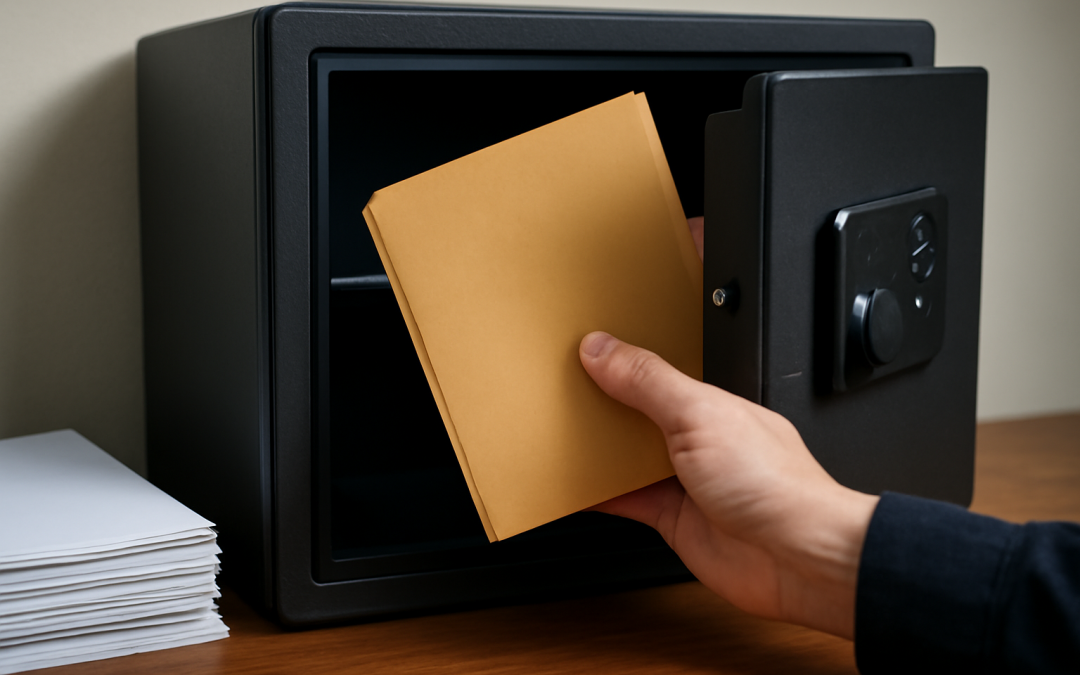
Many individuals store original documents in traditional physical locations such as filing cabinets, home safes, or binders. While these methods provide a basic layer of organization and protection, they are not always foolproof. Fire, flood, theft, and even everyday wear and tear can wreak havoc on paper documents. As a result, investing in a fireproof and waterproof safe is a prudent step. Such safes are designed to withstand intense conditions and can provide peace of mind that these critical papers will survive disasters.
Physical safes, however, are not invulnerable on their own. Privately owned safes should be kept in secure, discreet locations within a home or office to reduce the chance of tampering. Avoid placing safes in obvious areas such as bedrooms or closets close to doors. Additionally, combining secure storage with a robust lock mechanism—whether a combination lock, key lock, or biometric scanner—enhances protection. Regularly updating access codes or changing lock combinations minimizes the risk of unauthorized entry.
Besides physical protection, another layer revolves around confidentiality and minimizing exposure. It is advisable to limit the number of people with access to these documents. Many families choose to grant access only to trusted members, legal representatives, or executors, especially when dealing with sensitive or legally binding documents. Sharing such information indiscriminately can increase vulnerability to identity theft, fraud, or unauthorized use.
In recent years, the rise of digital technology has introduced new possibilities and challenges for document security. Digitizing important documents through scanning or photographing creates electronic backups that are much easier to duplicate and store separately. This ensures that even if physical copies are destroyed or lost, digital versions remain accessible. It also allows for quick sharing when needed, without risking original documents being handled excessively.
When storing digital versions, the use of encrypted storage systems is paramount. Encryption scrambles data so that only authorized users with the correct key or password can access it. Cloud storage providers often offer built-in encryption services, but users should verify the robustness of these features. Choosing reputable, secure platforms and enabling two-factor authentication can prevent unauthorized access to sensitive files. Additionally, maintaining several backup copies of digital documents on different devices or locations further reduces the risk of permanent loss.
Despite the many conveniences of cloud storage, some individuals prefer keeping digital copies offline on external hard drives or USB flash drives. These portable storage devices can be locked away similarly to physical documents, adding a layer of security against cyber threats. It is essential to password-protect these drives and disconnect them from online networks unless necessary to minimize exposure to malware, hacking, or accidental deletion.
Routine maintenance and periodic reviews of document storage systems play a key role in ongoing security. Over time, documents can accumulate, and some may lose relevance or expire, such as insurance policies or contracts. Regularly purging outdated documents reduces clutter and the risk of confusion. Additionally, inspecting physical storage for signs of damage or environmental threats helps maintain document integrity. For digital files, routine software updates, password changes, and backup verifications are critical.
An often-overlooked aspect of document safety involves natural disasters and unforeseen emergencies. Preparing for such events means having a clear plan that includes safe, accessible storage and easy means of retrieval. For instance, many people create emergency document kits or invest in portable, durable containers to carry essential paperwork if evacuation becomes necessary. Identifying multiple copies of documents in separate physical locations, such as a safe deposit box in a bank or trusted family member’s home, provides an additional safety net.
Safe deposit boxes at financial institutions offer another layer of protection beyond the home environment. These boxes are typically housed in secure vaults with round-the-clock security, making them ideal for original documents that require long-term protection but do not need frequent access. While using a bank safe deposit box involves annual fees and limited accessibility, the heightened security and protection from disasters like home fires and theft are often worth the investment.
Speaking specifically about digital assets, employing password managers can simplify the management of numerous passwords and encryption keys related to document storage. These tools enhance security by generating strong, unique passwords and securely storing them, reducing the temptation to reuse passwords or rely on easily guessable ones. When combined with two-factor authentication, they create a formidable barrier against unauthorized entry to accounts and systems holding critical documents.
Legal preparation also plays a part in document safety. For example, drafting a living will or power of attorney includes specifying who is authorized to access particular documents or make decisions on one’s behalf. Ensuring these documents themselves are safe and accessible when needed requires careful attention. Consulting with legal professionals can clarify rights, responsibilities, and how to structure document access to avoid disputes or confusion later on.
Another practical tip for physical document safety is to use acid-free folders and boxes designed to preserve paper quality. Exposure to acidic materials over time causes paper to degrade and become brittle, leading to essential documents becoming difficult to read or even disintegrating. Archival-quality storage materials are especially important for older documents or those intended for long-term preservation, such as family heirlooms or historical papers.
Environmental control in storage areas cannot be ignored. Paper documents deteriorate faster in areas exposed to high humidity, temperature fluctuations, or direct sunlight. These conditions contribute to fading, mildew, mold growth, and physical degradation. Ideally, documents should be stored in cool, dry, and dark environments. If this is not possible, investing in moisture absorbers or dehumidifiers and avoiding locations near plumbing or windows can significantly extend the lifespan of stored documents.
For organizations or businesses managing volumes of important paperwork, implementing document management systems streamlines security and accessibility. Such systems replace manual filing with digital platforms that include controlled access, audit trails, and disaster recovery features. Employees can access only what they are authorized for, reducing risks of internal breaches. Additionally, these systems often include automatic backups and encryption, protecting data from both internal and external threats.
Document safety can also benefit from physical deterrents beyond safes and locks. Alarm systems, security cameras, and motion detectors add layers of protection to homes or offices where documents are stored. These devices can dissuade potential intruders or quickly alert owners and authorities in case of compromise. Combining these with good habits like locking doors and windows and not advertising valuable contents greatly strengthens overall security.
It is important to maintain a balance between security and convenience. Overly complex security measures can lead to frustration or accidental loss of access. For example, using extremely complex passwords without backups or losing encryption keys can lock out legitimate users permanently. Planning involves creating secure but manageable systems, including written documentation stored in safe but accessible places to avoid being locked out or losing critical information when it is needed most.
The human factor remains one of the weakest links in document safety. Awareness and education on the importance of document security are vital. Scams and social engineering tactics frequently target individuals by attempting to extract sensitive information or deceive them into sharing documents. Being cautious about unsolicited requests, verifying identities, and avoiding sharing personal documents on unsecured platforms can prevent many security breaches.
In households with children or multiple adults, establishing clear rules about handling important papers avoids accidental loss or damage. Teaching responsible storage and access habits, such as not leaving documents unattended or exposed, can minimize risks. Moreover, designating a responsible person or family member to oversee document safety routines can foster accountability and ensure that important documents receive consistent attention over time.
Off-site backup solutions merit consideration as part of a comprehensive plan. In the event of catastrophic incidents such as fire, flood, or burglary that impact the primary home or office, having copies stored off-site—whether digitally on a cloud platform or physically in a secondary location—provides insurance against total loss. This redundancy is a critical component of resilient document safety strategies, especially for irreplaceable items like original certificates or signed contracts.
In conclusion, keeping important documents safe requires a multifaceted approach that combines physical protection, digital security measures, regular maintenance, and thoughtful planning. From investing in quality safes, utilizing encrypted digital storage, establishing clear access protocols, to preparing for emergencies and natural disasters, each action contributes to preserving the integrity and accessibility of vital papers. By embracing a comprehensive and proactive mindset, individuals and organizations can protect their assets, identities, and legal rights from harm and uncertainty with confidence and care.