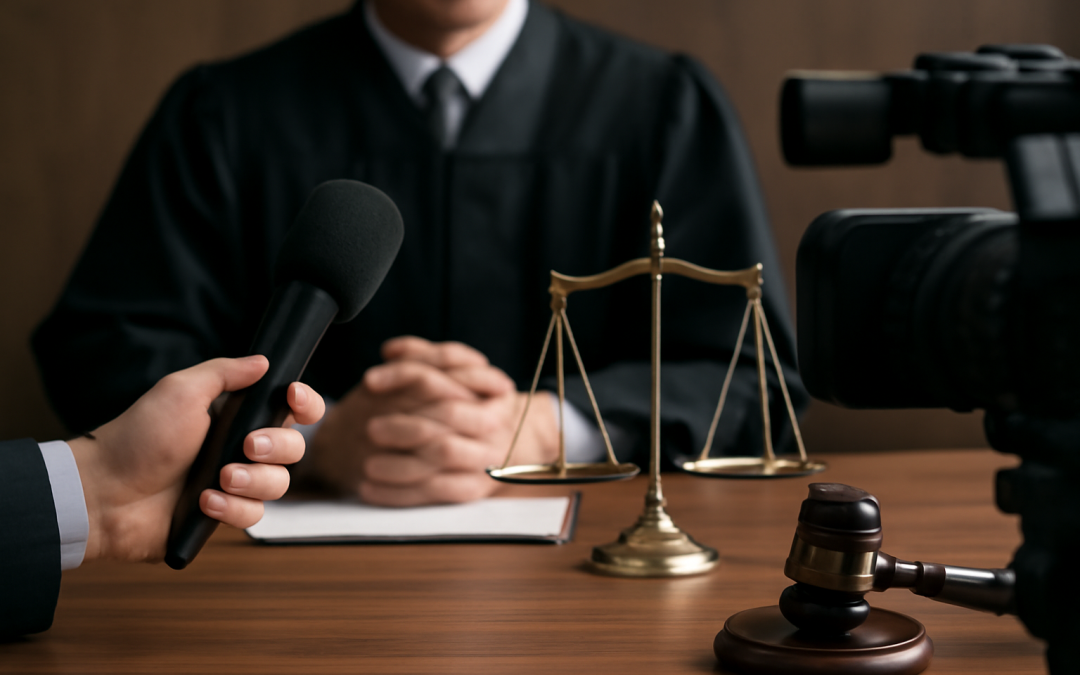
The relationship between media and the justice system is both profound and complex, evolving significantly over time as new forms of communication emerge and public interest in legal proceedings intensifies. This dynamic interplay shapes public perceptions of fairness, accountability, and the rule of law, often influencing not only how justice is administered but also how it is understood by society at large. The media serves as a critical conduit through which legal cases reach the public, yet its involvement raises important questions about impartiality, sensationalism, and the potential impact on judicial processes.
From the earliest days of printed newspapers to the modern digital age, the media has played an integral role in informing citizens about criminal trials, court rulings, and legislative changes. The dissemination of legal information can promote transparency, offering insight into the workings of the justice system and fostering trust in its operations. However, this role is fraught with tension, as media coverage may prioritize attention-grabbing stories that emphasize drama over accuracy. This tendency can contribute to the distortion of facts, potentially influencing public opinion and placing undue pressure on judges, jurors, and lawyers involved in high-profile cases.
One of the most significant ways in which the media affects the justice system is through the phenomenon of trial by media. In this context, media outlets and commentators effectively pass judgment on defendants before a court has made its decision, swaying public sentiment and sometimes impacting the outcome of a trial. The relentless spotlight on certain cases can lead to what legal scholars term “pretrial publicity,” where potential jurors are exposed to media narratives that may contain biased or incomplete information. This exposure complicates the jury selection process, as finding impartial jurors who have not been influenced by the media becomes increasingly difficult.
Moreover, the portrayal of defendants and victims in the media often reflects broader societal biases, reinforcing stereotypes related to race, class, and gender. Research has shown that media coverage tends to be disproportionately focused on crimes committed by individuals from marginalized communities, casting them in a negative light regardless of the evidence. Conversely, individuals with social or economic privilege sometimes receive more sympathetic treatment. These disparate representations can undermine the principle of equal justice under the law, as they shape viewers’ perceptions of who is likely to be guilty or innocent even before legal proceedings unfold.
The advent of social media has further complicated the relationship between media and the justice system. Platforms like Twitter, Facebook, and Instagram enable real-time dissemination of information, sometimes circumventing traditional journalistic standards of verification and ethical reporting. Social media users, including influential public figures, may express opinions or share unverified claims about ongoing cases, contributing to a climate of misinformation. In some instances, this has led to rushed legal decisions or public outcry that pressures officials to act swiftly, potentially compromising thoroughness and fairness.
Despite these challenges, media coverage of the justice system also offers numerous benefits that should not be overlooked. Investigative journalism, for example, has played a pivotal role in uncovering miscarriages of justice, exposing corruption, and holding powerful figures accountable. Freedom of the press acts as a check on government authority and the judiciary, ensuring that justice remains visible and subject to public scrutiny. High-profile media investigations have led to the release of wrongfully convicted individuals and spurred reforms in policies and practices within law enforcement and the legal sphere.
Courts themselves have adapted to the media’s pervasive presence. In many jurisdictions, courtroom procedures have evolved to balance transparency with the need to protect the integrity of trials. Judges may impose gag orders, limit media access, or instruct juries to disregard external information to mitigate the influence of media coverage. Some trials are even broadcast live, providing the public with direct access rather than relying on secondhand accounts. The challenge lies in maintaining this balance while safeguarding the rights of all parties involved and preserving the solemnity of judicial proceedings.
The media also plays a vital role in educating the public about legal principles, rights, and responsibilities. Legal analysts, commentators, and programs dedicated to explaining court processes can demystify the justice system and empower citizens to engage more meaningfully with issues of law and policy. This educational function is especially important in a democratic society where informed public participation influences legislative and judicial developments. By shedding light on complex legal concepts and landmark decisions, the media helps bridge the gap between the technical realm of law and the everyday lives of individuals.
However, a tension remains between the media’s responsibility to inform and its commercial incentives to attract viewership. Sensational coverage often yields higher ratings and increased revenue, motivating news organizations to highlight lurid details or speculative elements of cases. This commercial imperative can compromise journalistic ethics, resulting in coverage that prioritizes entertainment over accuracy. The consequences are significant, not only for the individuals involved in the cases but also for public confidence in both the media and the justice system.
Internationally, the interplay between media and the justice system varies widely depending on the legal culture, press freedom, and societal norms of each country. In some nations, strict control over media coverage of trials reflects a desire to preserve judicial independence and prevent undue influence. In others, vigorous media scrutiny functions as a vital counterbalance to authoritarian tendencies. Understanding how media interacts with justice systems on a global scale highlights the universal challenges inherent in balancing transparency, fairness, and the right to a fair trial.
Ethical considerations are at the heart of this relationship. Journalists covering legal matters must navigate complex issues related to consent, privacy, and the presumption of innocence. Reporting on sensitive cases involving minors, sexual offenses, or mental health issues demands careful handling to avoid further harm. Responsible journalism requires adherence to ethical codes and a commitment to accuracy, impartiality, and respect for the dignity of all parties. Failure to uphold these principles risks not only compromising individual cases but also undermining public trust in both media institutions and the justice system.
Legal professionals also recognize the power of media narratives and often engage with the press strategically. Lawyers may use media coverage to build public support for a client, while prosecutors might leverage the media to deter crime by emphasizing the consequences of unlawful behavior. However, excessive media engagement risks politicizing cases or prejudicing legal proceedings. The media’s role can thus oscillate between being an ally in the pursuit of justice and a potential disruptor if not managed thoughtfully.
Technological developments continue to influence this dynamic. Advancements in digital recording, virtual courtrooms, and automated monitoring tools are transforming how legal processes are documented and reported. These technologies increase access and transparency but also raise concerns about privacy, security, and the potential for information to be misused or manipulated. As media channels evolve, so too must the safeguards that ensure media coverage supports justice rather than undermines it.
Public opinion shaped by media narratives can also impact legislative reforms and judicial appointments. High-profile cases often become catalysts for changes in laws or court procedures, reflecting the influence of media-driven public discourse. While this responsiveness can enhance the justice system by aligning it more closely with societal values, there is a danger of reactionary policymaking driven by emotional rather than rational considerations. Media-driven justice reform must be informed by thorough analysis and expert input to avoid unintended consequences.
In essence, the media functions as both a mirror and a molder of the justice system. It reflects societal attitudes toward crime and punishment while simultaneously shaping those attitudes through selective reporting and framing. Understanding this dual role is critical to fostering a media environment that supports rather than detracts from the principles of justice. Encouraging media literacy, promoting ethical journalism, and reinforcing legal safeguards are essential steps toward achieving this balance.
Ultimately, the relationship between media and the justice system is a vital area of ongoing dialogue and reflection. As society becomes more interconnected and information flows more freely, both the media and legal institutions bear responsibility for upholding fairness, transparency, and respect for due process. By recognizing the challenges and opportunities inherent in this interaction, stakeholders can work to ensure that media coverage contributes positively to the administration of justice and the public’s understanding of the law. The continued vigilance of both media practitioners and legal professionals is necessary to maintain the delicate equilibrium between public interest and individual rights in an ever-changing world.