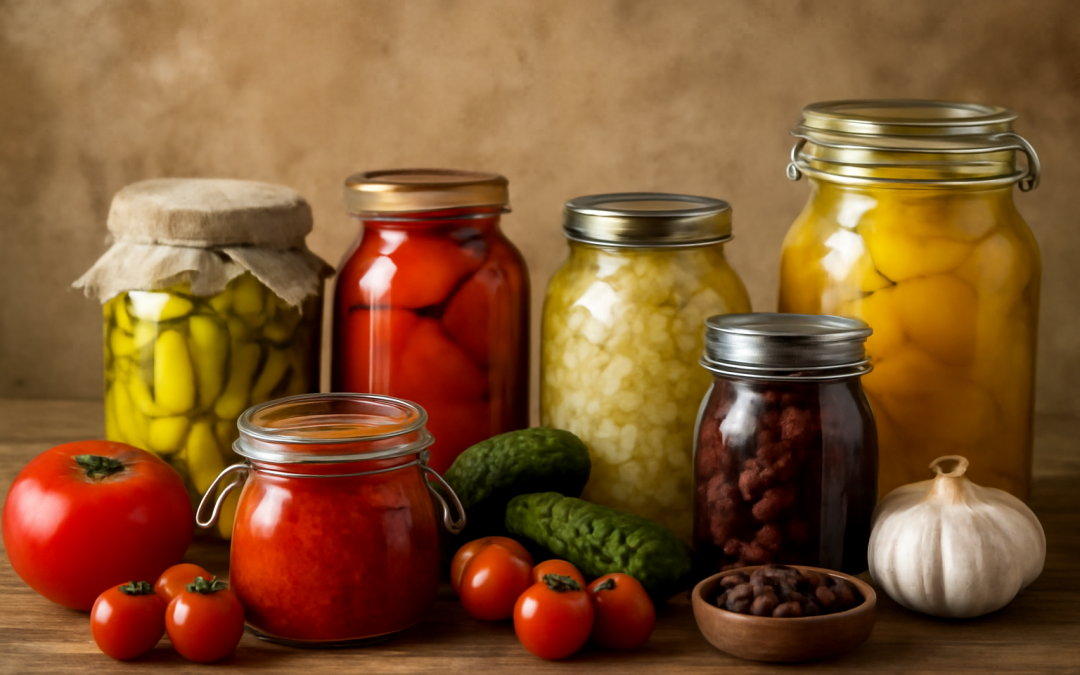
The preservation of food is as old as human civilization itself, rooted deeply in the necessity to extend the edibility and availability of nourishment beyond the immediate moment of harvest or slaughter. From the earliest days, people faced the challenge of safeguarding their provisions from spoilage caused by microorganisms, insects, and environmental conditions. This challenge sparked a continual evolution of techniques, shaped by geography, culture, and scientific advancement. The history of food preservation is a testament to human ingenuity in conquering nature’s ephemeral bounty and ensuring sustenance through periods of scarcity.
In prehistoric times, early humans relied on naturally occurring methods to preserve their food. The process of drying was one of the first techniques employed, as removing moisture from meat, fish, fruits, and vegetables inhibited the growth of bacteria and mold. Sun drying was widely practiced, where food items were cut into thin strips and laid out under the sun’s heat. This method was effective, simple, and accessible for hunter-gatherer societies and early agricultural communities living in arid or warm climates.
Smoking also emerged early in history as a preservation method. Aside from adding flavor, the smoke from burning wood contains chemicals that have antimicrobial properties, which help delay spoilage. The combination of drying and smoking was particularly useful for preserving meat and fish, especially in northern latitudes where the sun was less reliable. Archaeological evidence shows that these techniques were used in Eurasia and North America thousands of years ago, often involving elaborate campsites where food was hung above fires.
Fermentation is another ancient preservation technique with origins tracing back more than 7,000 years. Before refrigeration was available, ancient civilizations discovered that allowing foods to undergo controlled fermentation created environments inhospitable to harmful bacteria while promoting beneficial microbes. Fermented foods such as yogurt, sauerkraut, kimchi, and sourdough have roots in early societies across Asia, Africa, and Europe. These foods not only preserved ingredients but also enhanced their nutritional value and digestibility, a discovery likely made by accident and honed over millennia.
Salt preservation represents a significant milestone in humanity’s mastery over food spoilage. Salt’s ability to dehydrate food and inhibit bacterial growth launched long-distance trade and enabled storage over months or even years. Ancient Egyptians and Mesopotamians salted fish and meats extensively, which allowed armies and trading caravans to carry provisions for extended journeys. Salt was so valuable that it served as a form of currency in some cultures, and the word “salary” is derived from the Latin word for salt, reflecting its central importance.
The advent of refrigeration was a revolutionary moment in the history of food preservation. Initially, ice was harvested from frozen lakes and stored in insulated icehouses, a practice dating back thousands of years and evident in ancient China and the Middle East. However, true refrigeration as a technology only emerged in the 18th and 19th centuries. Scientists and engineers developed mechanical refrigeration systems that could consistently control temperature and humidity. This breakthrough transformed food distribution, allowing perishable products to be transported across great distances without spoilage, fundamentally altering diets and economies.
Canning, a method developed in the early 19th century, represented another leap forward. It involves sealing food in airtight containers and subjecting them to heat to destroy spoilage-causing microorganisms. The French inventor Nicolas Appert is credited with pioneering this technique, which was initially motivated by the need to supply armies with reliable food during wartime. Canning rapidly gained popularity across Europe and North America, revolutionizing how food was stored and consumed year-round. Unlike drying and smoking, canning preserved moisture and texture, making it especially suited for fruits, vegetables, and cooked meals.
The 20th century brought accelerated innovations in food preservation due to advances in microbiology, chemistry, and engineering. Freezing became widespread with the development of reliable household freezers, greatly enhancing the ability to store foods in a near-fresh state for months at a time. Quick-freezing techniques, invented by Clarence Birdseye, helped maintain cellular structure and flavor better than slow freezing, thus improving the overall quality of frozen food products.
Chemical preservation also evolved, with the use of preservatives such as nitrates, sulfites, and antioxidants to prevent oxidation and microbial growth. These compounds extended shelf life and were employed extensively in processed meats, baked goods, and beverages. However, the use of synthetic preservatives has provoked ongoing debates regarding safety and consumer preference, fueling a modern resurgence of natural preservation methods.
Vacuum packaging and modified atmosphere packaging emerged as advanced technologies to inhibit spoilage by removing oxygen or replacing it with inert gases. By limiting oxidative reactions and growth of aerobic bacteria, these packaging methods significantly increased the longevity of fresh and processed foods. They are now standard in the commercialization of ready-to-eat meals, deli products, and fresh produce.
The ancient practice of pickling also remains a vibrant preservation method today. Originating thousands of years ago, pickling involves soaking foods in solutions of vinegar or brine to create acidic environments that deter microbial activity. Many cultures have developed unique pickling traditions to preserve vegetables, eggs, and fish. This method not only extends shelf life but also enriches flavor and adds probiotic benefits to the diet.
Modern food preservation strategies are increasingly influenced by concerns over sustainability and health. There is a rising demand for preservation techniques that minimize environmental impact, reduce food waste, and avoid artificial additives. Methods such as high-pressure processing, pulsed electric fields, and cold plasma are examples of novel non-thermal technologies that kill pathogens without compromising nutritional quality. These innovations continue to build on the knowledge accumulated over millennia of food preservation.
The global nature of modern food supply chains owes much to the history of food preservation. Techniques developed in one region can be adapted and combined with others to meet contemporary challenges. For example, freeze-drying, an advancement of drying technology, allows products to be stored lightweight and retain nutritional content in remote or emergency settings. Similarly, ancient fermentation practices have been embraced in the health food industry due to their benefits for gut microbiota.
Throughout history, the overarching goal of food preservation has been to secure stable, safe, and nutritious food supplies, enabling societies to thrive in unpredictable environments. The methods developed reflect the intimate connection between culture, technology, and environment. They offer insight into the ways humans have creatively responded to biological challenges and resource constraints.
As science continues to push the boundaries of preservation, the interplay between tradition and innovation remains vital. Many ancient techniques are still relevant and even experiencing revivals, demonstrating the sustainability and wisdom embedded in longstanding practices. The story of food preservation is one of continual refinement—a narrative that ensures nourishment is accessible, reliable, and diverse for generations.
In conclusion, the evolution of food preservation is a fundamental chapter in the human journey. It chronicles the transformation from basic drying and smoking methods to sophisticated chemical and mechanical systems that support a global food economy. Each development has contributed to enhancing food security, public health, and culinary diversity. Understanding this history not only honors the ingenuity of past societies but also informs future efforts to create sustainable and effective preservation solutions in a rapidly changing world.