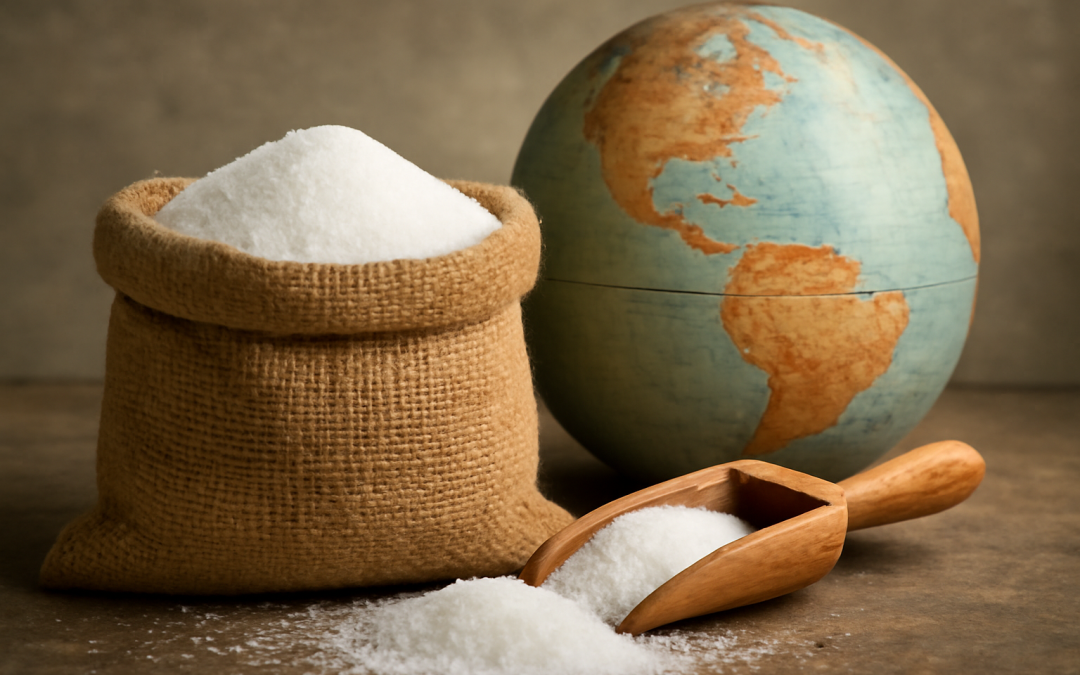
The sugar trade has been a powerful force shaping global economies, societies, and cultures for centuries. From its origins as a luxury good to its evolution into a staple commodity, sugar’s journey across continents has intertwined with the histories of colonialism, industrialization, and globalization. Its influence stretches far beyond the sweet crystals on our tables, impacting international relations, labor systems, and the environment in profound ways.
In the early days, sugar was an exotic and highly coveted product primarily controlled by Arab traders before spreading to Europe through the Crusades and Mediterranean trade routes. Initially, it was a rare spice used sparingly by the wealthy, but the increasing demand quickly spurred the cultivation of sugarcane in tropical climates. European colonizers recognized the crop’s lucrative potential and began establishing plantations in the Caribbean, South America, and later in parts of Asia and Africa. These plantations relied heavily on enslaved labor, creating a brutal system of exploitation that became one of the darkest chapters in human history.
The sugar trade thus became inextricably linked to the transatlantic slave trade. Millions of Africans were forcibly transported to work on sugar plantations under abhorrent conditions. The profits from sugar fueled the expansion of colonial empires and financed industries in Europe and North America. This exploitative economic system left a lasting legacy on the demographics, cultures, and economies of the exporting regions. Even after the abolition of slavery, indentured laborers from Asia and other parts of the world were brought in to replace enslaved workers, perpetuating cycles of economic dependency and social stratification.
Sugar’s global significance also accelerated during the Industrial Revolution, which brought new technologies that increased production efficiency and lowered costs. Innovations in refining and processing allowed sugar to become more widely available and affordable, transforming it from a luxury item into an everyday staple. This shift had major consequences for consumption patterns and public health worldwide. Increasing sugar intake contributed to the rise of diet-related diseases such as diabetes and obesity, issues that modern societies continue to grapple with.
Moreover, the sugar trade helped shape the development of global financial markets and international trade networks. Sugar exports and imports became central to the economies of many nations, prompting governments to enact tariffs, subsidies, and trade agreements to protect domestic industries or favor certain trading partners. Fluctuations in sugar prices could lead to economic instability, social unrest, and political disputes, revealing the commodity’s far-reaching impact beyond mere trade.
In contemporary times, the dynamics of the sugar trade have evolved with globalization and technological advancements. Production has shifted towards larger agribusinesses and multinational corporations, while consumer demand has risen in emerging markets. Countries like Brazil, India, Thailand, and Mexico have become major players in sugar production, influencing global supply chains. However, environmental concerns related to sugar cultivation have come to the forefront, with deforestation, water consumption, and pesticide use posing significant ecological challenges.
The global sugar industry also contends with ethical issues regarding labor conditions and fair trade practices. While modern laws prohibit slavery, reports of exploitation and poor working conditions persist in some regions. Movements advocating for sustainable and equitable sugar production have gained traction, encouraging consumers and businesses to consider the social and environmental footprint of their sugar consumption. These efforts seek to redress some of the historical injustices associated with the sugar trade and promote a more responsible and transparent industry.
In addition to the economic and social dimensions, sugar holds considerable cultural significance around the world. It plays a vital role in culinary traditions, rituals, and celebrations across many societies. The widespread availability of sugar has influenced global cuisines and food industries, giving rise to products that define modern diets. Yet, this cultural integration also brings challenges, as societies struggle to balance appreciation for sugar’s role in heritage with the need to address health concerns.
Technology continues to drive innovation in how sugar is produced and utilized. Alternative sweeteners and biotechnological advances offer potential pathways to reduce reliance on conventional sugarcane and beet cultivation. The exploration of sugarcane as a source of biofuels and biodegradable materials demonstrates the commodity’s versatility beyond food. These developments may help mitigate some environmental impacts while diversifying the economic benefits derived from sugar crops.
The interplay between developed and developing countries remains a critical aspect of the sugar trade’s global impact. While wealthier nations consume the largest quantities, many producing countries face challenges related to poverty, infrastructure, and market volatility. Access to international markets can be hindered by trade barriers and subsidies that favor producers in richer countries. Efforts to reform trade policies and support developing economies are essential to fostering a more equitable distribution of the benefits from sugar production and trade.
Furthermore, international organizations and agreements play instrumental roles in regulating and stabilizing the sugar market. Bodies such as the World Trade Organization and the Food and Agriculture Organization engage in setting guidelines and facilitating dialogue among stakeholders. These institutions help manage the complex interplay of economic, environmental, and social factors that characterize the global sugar trade, striving to balance diverse interests and promote sustainable development.
The journey of sugar from a rare delicacy to a global commodity reveals much about the forces shaping modern civilization. Its trade history encompasses conquest and colonization, innovation and industrialization, economic power struggles, and cultural exchanges. Through understanding these interconnections, we gain insight into how a single product can influence societal evolution on multiple levels.
Looking ahead, the future of the sugar trade will likely be shaped by a confluence of factors including climate change, technological advancement, shifting consumer preferences, and policy interventions. Growing awareness of health and sustainability issues may drive demand for alternative sweeteners and more ethically produced sugar. Meanwhile, the need to support the livelihoods of millions involved in sugar production emphasizes the importance of inclusive and fair supply chains.
In conclusion, the sugar trade is far more than a simple commercial exchange; it represents a complex web of historical legacies, economic dependencies, cultural values, and environmental realities. Its global impact continues to resonate today, reminding us of the intricate connections between the commodities we consume and the world we inhabit. The challenge lies in navigating these complexities to ensure that the sugar industry contributes positively to economic development, social justice, and planetary health for generations to come.