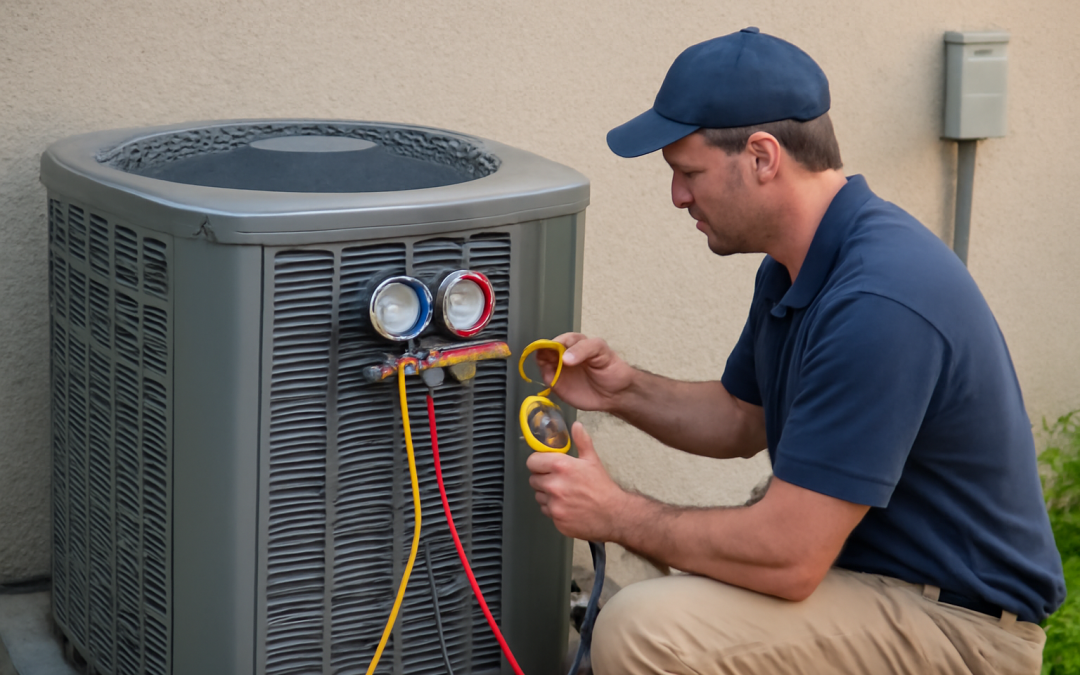
As the weather begins to warm and the days grow longer, preparing your HVAC system for the demands of summer becomes essential. An efficient, well-maintained system not only ensures comfort during the hottest months but also helps reduce energy consumption and prevents costly breakdowns. Proper servicing before the heat sets in can extend the lifespan of your equipment and maintain indoor air quality, making it an indispensable task for homeowners.
The first step in servicing your HVAC system is to turn off the power to the unit before performing any maintenance. Safety should always be the top priority when working with electrical appliances. Locate the electrical disconnect or circuit breaker specifically assigned to the HVAC system and switch it off to prevent any accidental activation. This simple precaution allows you to work freely and inspect the system without risk.
Next, thoroughly clean or replace the air filters. Filters play a critical role in trapping dust, pollen, and other airborne particles, ensuring that the air circulating within your home remains clean. Over time, filters become clogged, reducing airflow and forcing the system to work harder. A dirty filter can lead to inefficient cooling, higher energy bills, and even damage to the HVAC components. By replacing or cleaning the filters regularly—every one to three months, depending on usage and filter type—you ensure a smooth airflow and protect the system’s internal parts.
After addressing the filters, it’s important to inspect the outdoor condenser unit. This component is exposed to dirt, debris, leaves, and other natural elements that can accumulate around and inside it, hindering performance. Begin by clearing away any visible debris surrounding the unit. Next, use a soft brush or vacuum with a brush attachment to clean the exterior fins carefully. If the fins are bent, gently straighten them with a fin comb to promote proper airflow. A clean condenser allows for optimal heat exchange and prevents the system from overworking itself on hot summer days.
Checking the evaporator coil inside the air handler or furnace is another essential task. The evaporator coil is responsible for absorbing heat from inside your home, and if it becomes coated with dirt or grime, it will reduce cooling efficiency. To clean the coil, remove any accessible panels and use a no-rinse coil cleaner, following the product instructions carefully. If you are uncomfortable with this step or if the coil is heavily soiled, professional servicing might be required to avoid damage and ensure a thorough cleaning.
In addition to cleaning, inspect all visible ductwork for leaks, gaps, or signs of wear. Leaky ducts can cause conditioned air to escape into unwanted areas, such as attics or crawl spaces, reducing overall efficiency and driving up energy costs. Seal any leaks with duct mastic or metal tape designed specifically for HVAC use. Properly sealed ducts help maintain consistent airflow throughout the home and improve system responsiveness.
Examining the thermostat is another vital part of HVAC maintenance. A malfunctioning or poorly calibrated thermostat can lead to uneven temperatures and unnecessary energy consumption. Upgrade to a programmable or smart thermostat if you still use a manual or basic model; this allows for better control over cooling schedules and can yield significant energy savings. Ensure the current thermostat is correctly positioned, away from direct sunlight, vents, or other heat sources that could produce inaccurate readings.
During the inspection, it is also useful to check the refrigerant levels, which play a central role in cooling efficiency. Low refrigerant often indicates leaks within the system, which can be detrimental to both performance and the environment. Signs of low refrigerant include insufficient cooling and ice formation on the coils or refrigerant lines. Because handling refrigerants requires specialized knowledge and equipment, it is advisable to hire a licensed HVAC technician to perform this inspection and recharge if necessary.
Lubrication of moving parts is often overlooked but essential for preventing wear and reducing noise. Components such as the blower motor and fan bearings can benefit from a few drops of appropriate oil, provided the unit design allows it. Consult your system’s manual for specific instructions regarding lubrication points and types of lubricants recommended by the manufacturer. Proper lubrication extends the lifespan of your HVAC system and keeps it running smoothly throughout the season.
The condensate drain line, responsible for removing moisture from the air, also requires attention. Over time, this line can become clogged with algae, mold, or debris, leading to water leaks and potential damage to your home’s interior. Flush the drain line with a solution of bleach and water or use a specialized cleaning tool to clear any obstructions. Ensuring the condensate drain is functioning properly helps maintain indoor humidity levels and prevents structural issues.
After completing all cleaning and inspection steps, restore power and test the system. Run the air conditioning unit through a full cycle to observe its startup and shutdown processes. Listen for any unusual sounds such as rattling, grinding, or hissing, which might indicate mechanical issues requiring professional repair. Verify that the system cools efficiently and maintains a steady airflow without interruptions.
Regular maintenance also includes scheduling a professional HVAC tune-up at least once a year, preferably before the start of summer. While many routine tasks can be handled by a homeowner, a licensed technician will perform comprehensive diagnostics, check electrical connections, measure airflow, test safety controls, and detect problems that may not be visible to the untrained eye. Investing in professional servicing ensures optimal system performance, reduces the likelihood of unexpected failures during peak use, and can extend the overall longevity of your HVAC equipment.
Incorporating these maintenance practices into an annual pre-summer routine is an excellent way to avoid inconvenient breakdowns when temperatures soar. Not only does it provide peace of mind, but it also contributes to a healthier home environment by improving air quality and ensuring even temperature distribution. An efficiently running HVAC system uses less energy, lowering utility bills and reducing your carbon footprint.
Taking the time to service your HVAC system before the onset of summer is a proactive measure that pays off in comfort, efficiency, and cost savings. With proper care, your system will operate reliably, keeping your home cool and inviting all season long. Don’t wait until the heat becomes unbearable or emergency repairs are needed—regular maintenance is the key to enjoying a cool and worry-free summer.