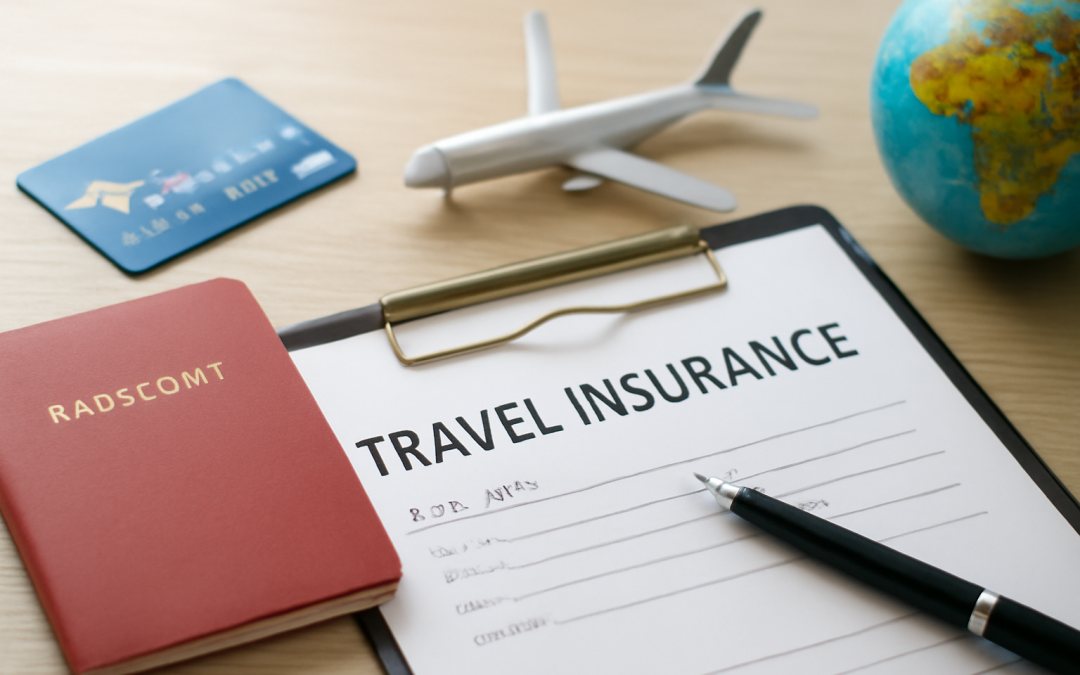
Travel insurance is often viewed as an optional expense, something that might not be necessary for every trip, especially when travel budgets are tight. However, there are circumstances where having this coverage can prove invaluable, saving travelers from significant financial loss and stress. Knowing when travel insurance is worth it involves understanding the risks involved with your particular trip and weighing those against the potential costs of unexpected events. This article explores those situations, helping you make an informed decision about protecting your journey.
One of the primary reasons travelers opt for insurance is to safeguard against trip cancellations. Plans can be upended by unforeseen occurrences such as illness, family emergencies, or even job-related issues that force a change of plans. Without insurance, non-refundable expenses like flights, hotels, and tours can disappear with little recourse. Travel insurance can reimburse these costs, providing peace of mind that your investment is protected if you must cancel before departure.
Medical emergencies abroad present another critical reason to consider insurance. Even a minor injury or illness can incur high costs in foreign countries where medical care might be prohibitively expensive or not covered by your regular health insurance. In some regions, hospitals may require payment upfront, which could strain your finances if you are unprepared. Having travel insurance with adequate medical coverage ensures that you will receive necessary treatment without the burden of heavy out-of-pocket expenses.
Trip interruption is an extension of cancellation coverage that many people overlook. Your trip could be cut short due to unforeseen incidents such as natural disasters, political unrest, or illness either in your travel party or at home. Travel insurance can help recover the cost of unused portions of the trip or cover the expenses incurred by rearranging travel plans. This protection is especially valuable for longer trips or when traveling to remote destinations where rescheduling can be complicated.
Travel insurance also becomes particularly essential when embarking on expensive vacations or complex itineraries. The higher the financial investment in flights, accommodations, and activities, the more prudent it is to hedge your bets with insurance. Luxury cruises, international adventures involving multiple stops, or trips booked months in advance all represent scenarios where the risk of losing a large sum of money is significant. Insurance acts as a safety net in these cases, ensuring that your investment is somewhat safeguarded.
Traveling with vulnerable groups such as children, elderly family members, or individuals with pre-existing medical conditions further underscores the importance of insurance. These travelers are generally at a higher risk of health complications or emergencies. Insurance policies that cover pre-existing conditions or specialized medical services can alleviate the worry of dealing with unexpected illness or injury far from home. Moreover, these policies often include emergency evacuation, which can be vital when traveling to areas with limited or poor medical facilities.
Risk levels vary greatly depending on the destination selected. Countries with unstable political climates, high crime rates, or known health risks might warrant purchasing extra protection. Additionally, travel insurance can cover losses related to theft or loss of personal belongings, which can be more common in certain regions. When traveling to such destinations, insurance offers not just financial security but also the reassurance that help is available if the unexpected occurs.
Adventurous travel involving activities like skiing, scuba diving, hiking, or other extreme sports is another scenario where travel insurance is more than advisable—it’s essential. Many standard policies exclude coverage for injuries sustained during high-risk activities, so purchasing specialized coverage that addresses these needs is crucial. Accidents in these contexts can lead to costly medical treatments or even rescue operations, expenses that can quickly mount without insurance.
The COVID-19 pandemic has also reshaped considerations around travel insurance. Coverage for illnesses related to pandemics, quarantine requirements, or trip cancellations due to outbreaks have become important factors in selecting a policy. Even as restrictions evolve, health concerns and potential disruptions persist, making insurance a valuable resource for maintaining flexibility and security in uncertain times.
It is also important to understand exactly what a travel insurance policy covers before purchasing. Not all policies are created equal, and some might exclude certain risks or limit coverage amounts. Reading the fine print, clarifying any ambiguous terms, and ensuring that your specific concerns are addressed will help avoid surprises. For example, some policies might not cover cancellations due to pre-existing conditions unless explicitly included, or they might require the trip to be entirely prepaid to qualify for reimbursement.
For travelers who frequently take short domestic trips or travel within countries where healthcare and infrastructure are reliable, the necessity of travel insurance might be less critical. However, even in these cases, it is worth assessing the potential costs of a serious accident or sudden illness and how those costs are managed. Sometimes, a health insurance policy with domestic coverage might suffice, but in other scenarios, especially involving non-refundable travel purchases or expensive accommodations, insurance may still be beneficial.
Cost is often a concern when deciding on travel insurance. Policies vary in price depending on factors such as traveler age, trip duration, destination, and coverage limits. However, the expense of a comprehensive policy is usually a small fraction of your total trip cost and pales in comparison to what you might be liable for if something goes wrong. Approaching insurance as a form of risk management rather than just an added cost can help shift your perspective to its real value.
Choosing the right insurance policy involves careful consideration of your personal risk tolerance and the trip’s specifics. Travelers who prefer peace of mind and want to avoid financial uncertainty are more likely to find value in purchasing coverage. Additionally, certain credit cards or travel providers offer limited insurance benefits as part of their services, so understanding what is already included is a prudent step before buying separate coverage.
In sum, when weighing the merits of travel insurance, the key is to evaluate the specific factors surrounding your trip—from the financial investment and health risks to destination safety and planned activities. Insurance can be a critical safeguard against a wide range of potential problems, helping ensure that your trip remains as enjoyable and stress-free as possible. Though the hope is always for safe and uneventful travel, having the right insurance policy in place makes it easier to handle the unexpected with confidence and security.
Ultimately, travel insurance represents a layer of protection that, under certain conditions, transforms from a convenience into a necessity. For those who embark on journeys involving substantial expenses, medical risks, or destinations with heightened uncertainties, securing appropriate coverage is a wise step. By thoughtfully assessing your travel plans and personal circumstances, you can determine when insurance is worth it, enabling you to embark on your adventures with reassurance and the knowledge that you are prepared for whatever challenges may arise.