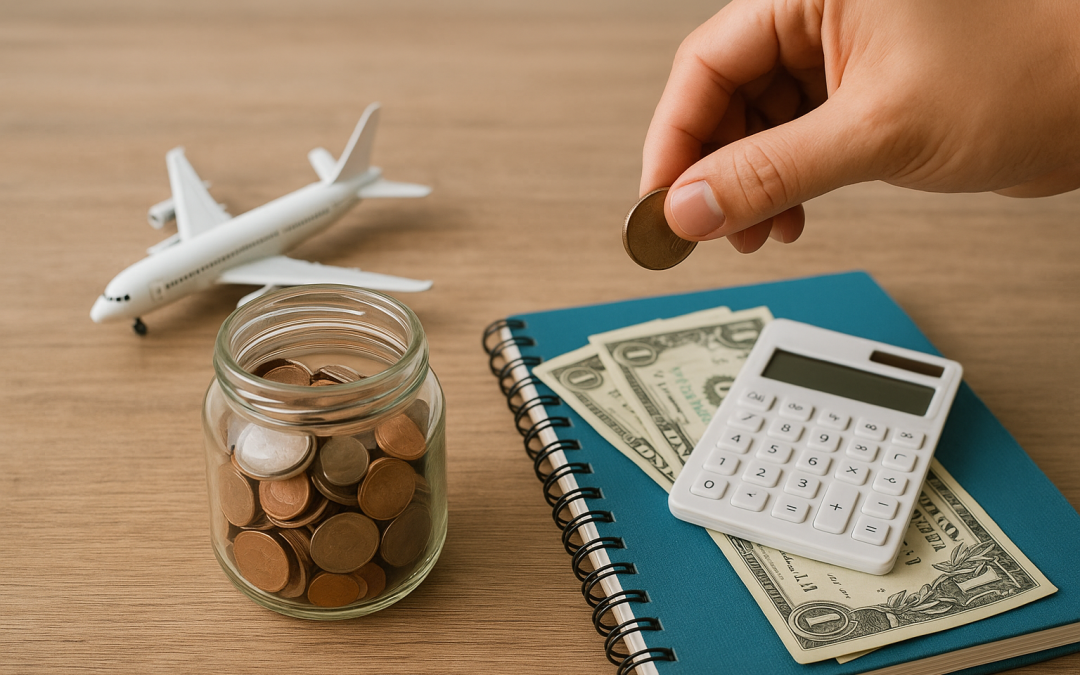
Preparing for a trip often stirs excitement and anticipation, but it can also bring a fair share of financial anxiety. Traveling, especially when unplanned or impulsive, can lead to unexpected expenses that derail a budget. However, by implementing simple ways to save money before a trip, one can ease these concerns and enjoy the journey without the burden of financial stress. Saving ahead of time not only allows for a more comfortable travel experience but also provides opportunities to splurge thoughtfully rather than out of necessity.
One of the first strategies to consider is creating a clear and realistic trip budget. This involves estimating all potential expenditures, including transportation, accommodation, food, activities, and incidentals. Understanding the scope of expected costs helps identify areas where expenses can be trimmed. Once you have a target amount, setting a dedicated savings goal becomes much easier, turning abstract plans into a tangible financial commitment. By committing to this plan, saving becomes a focused effort rather than an afterthought.
Reducing daily expenses is an effective way to boost savings before a trip without drastically changing lifestyle habits. Small sacrifices like brewing coffee at home instead of purchasing expensive café drinks, packing lunches instead of eating out, or limiting discretionary purchases can accumulate significant cash over weeks and months. It’s important to monitor and track spending during this period to identify where money is leaking unnecessarily. Even minor adjustments to everyday habits contribute meaningfully to travel funds over time.
Another powerful method involves taking advantage of discounts and coupons. Before a trip, individuals can allocate some time to scour websites, apps, and local flyers for travel-related deals, ranging from airline discounts to hotel promotions. Signing up for newsletters or loyalty programs with travel companies can unlock exclusive offers that are not publicly advertised. This not only reduces the overall trip cost but can also free up funds to spend on experiences once at the destination.
Automating savings is a proven tactic to ensure consistent progress. Setting up a separate savings account specifically for travel and automating regular transfers from your paycheck or checking account removes the temptation to use the money for other expenses. Many banks offer tools to round up purchases and put the difference into savings, a feature that quietly adds to the travel fund over time. Making the process automatic prevents procrastination and builds a disciplined savings habit effortlessly.
Temporary additional income streams can play a vital role in padding travel funds. Freelance work, selling unused items around the home, or taking on short-term gigs can provide a welcome financial boost. The extra earnings may be used directly toward planned travel expenses or bolster the emergency fund to prevent dipping into vacations savings for unexpected costs. Engaging in these activities with the goal of funding a trip can also bring motivation and a sense of accomplishment beyond the financial gains.
Cutting back on subscription services and membership fees temporarily can significantly add to your savings before your trip. Many people overlook the cumulative cost of streaming platforms, gym memberships, or meal delivery services they rarely use. By pausing or canceling these subscriptions for a few months, those funds can be redirected toward travel savings. The temporary sacrifice in convenience or entertainment can translate into a more enjoyable and less stressful trip experience.
Planning purchases in advance can prevent last-minute spending that often inflates travel costs. For instance, buying airline tickets well ahead of time usually results in lower prices compared to last-minute bookings. The same applies to accommodations where early reservations can secure better rates and more choice. Additionally, researching and booking activities or tours before departure can save both money and time, avoiding premium prices or sold-out situations at the destination.
Using cash instead of credit cards during the saving period can help reinforce spending discipline. When people physically handle cash, they tend to make more mindful decisions about their purchases. By withdrawing only the amount designated for daily spending, individuals set clear limits on their expenses. This tactile budgeting tool can prevent overspending and keep the savings target intact ahead of the trip.
Reducing energy consumption at home is another subtle but effective way to save money leading up to travel. Simple actions such as turning off lights when they are not needed, unplugging electronics, and adjusting the thermostat can lower utility bills. Although the savings from these changes may appear modest, when accumulated over weeks or months, they contribute meaningfully to the total travel fund. These energy-saving habits also have lasting benefits beyond just financial savings, fostering more sustainable living.
Exploring alternative transportation options for the trip itself can lead to substantial cost reductions. Rather than choosing expensive direct flights or private car rentals, combining modes like budget airlines, trains, or buses can lower transportation expenses. Travel apps and websites often provide tools to compare prices and routes, enabling travelers to make economical decisions. While such options might require more planning or longer travel times, the monetary savings achieved can be well worth the effort.
Meal planning during travel preparation also offers opportunities to economize. Instead of relying on dining out exclusively, consider booking accommodations that include kitchen facilities. This allows for buying groceries and preparing meals, which is generally more affordable than constant restaurant visits. Packing snacks or simple meals for long travel days can reduce the need to purchase overpriced airport or convenience store food. Starting this habit at home instills the planning mindset needed to manage meal expenses while on the road.
Insurance considerations provide another avenue to protect finances and avoid unexpected costs during the trip. Purchasing appropriate travel insurance can prevent expensive emergency situations, such as medical incidents or trip cancellations, from becoming financial disasters. Comparing policies to find coverage that fits your specific needs without overpaying is crucial. Investing upfront in such protection may seem costly, but it represents a practical way to save money by avoiding larger expenses later.
In addition to these strategies, maintaining a frugal mindset throughout the preparation period is vital. This involves thoughtful decision-making about every expense and routinely reassessing priorities. Being mindful about wants versus needs helps prevent impulse spending that could undermine savings progress. Celebrating small victories along the way reinforces discipline and keeps motivation high. Viewing the saving process as an integral part of the travel experience enhances the overall satisfaction once the journey begins.
Tracking progress regularly offers valuable insights and helps maintain accountability when saving money before a trip. Using apps or simple spreadsheets to monitor contributions toward the travel fund can motivate continued effort and highlight areas needing improvement. Adjustments can be made if targets are not being met, such as increasing savings amounts or cutting non-essential expenses further. This ongoing evaluation ensures that the financial goals remain aligned with the desired travel plans.
The social environment also influences saving habits, so communicating travel goals with friends or family can garner support and reduce temptations. When others know about your plans, they may offer encouragement or even join in efforts to save together. Avoiding situations that encourage unnecessary spending, like frequent social outings involving dining or entertainment, can make meeting savings targets easier. Surrounding yourself with a supportive atmosphere contributes significantly to financial discipline.
Finally, embracing simplicity in all aspects of travel preparation can generate substantial savings. This might mean opting for modest accommodations or skip costly souvenirs in favor of meaningful experiences. Minimalist packing avoids excess baggage fees, and prioritizing free or low-cost attractions enriches the itinerary without straining the budget. Simplifying choices reduces financial pressures and promotes a more relaxed travel mindset. Knowing that comfort and enjoyment don’t always require lavish spending allows travelers to focus on what truly matters—the adventure itself.
In conclusion, saving money before a trip requires intentional actions and thoughtful planning but is well worth the effort. By setting clear goals, cutting unnecessary expenses, leveraging discounts, and adopting disciplined saving habits, travelers can accumulate sufficient funds to cover their trip without stress. Additional income streams, smart booking choices, and insurance protection further safeguard against unexpected financial setbacks. With consistent effort and a frugal mindset, anyone can prepare financially for a trip and enhance their overall travel experience. The rewards of this preparation are not only monetary but also provide peace of mind and greater freedom to enjoy every moment of the journey.