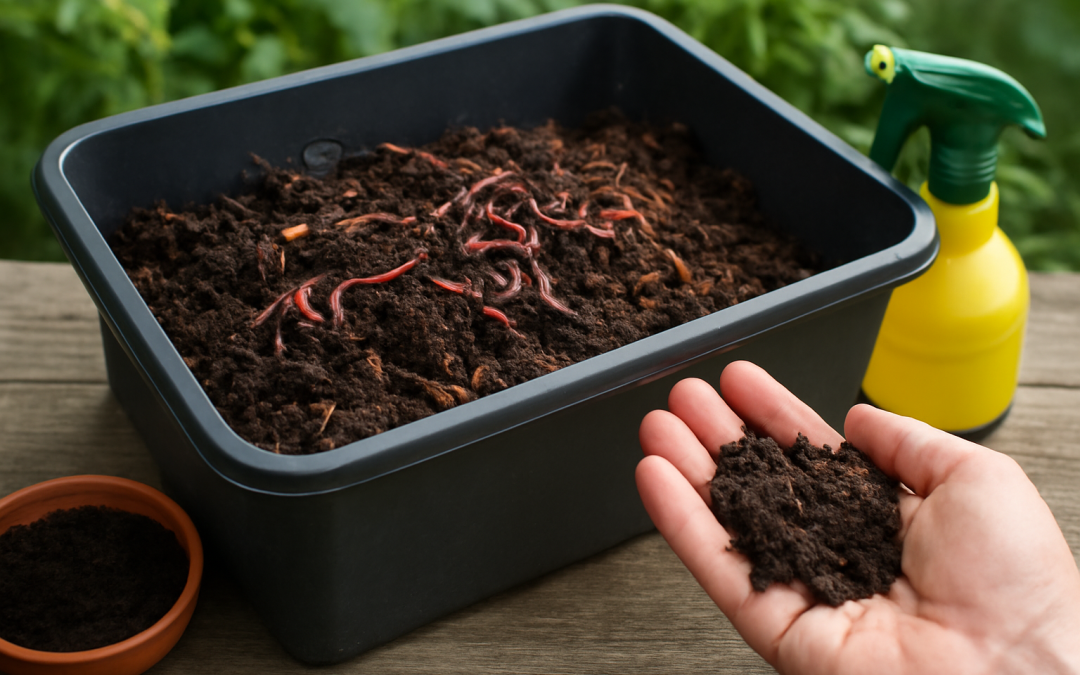
Creating a thriving environment for worms to break down organic material into nutrient-rich compost requires diligent attention and informed care practices. Maintaining a vermicompost bin is both a rewarding and environmentally responsible activity, but it demands understanding the delicate balance these worms need to flourish. Proper vermicompost bin care basics involve ensuring suitable conditions for the worms’ health, managing the bin’s moisture levels, feeding the worms appropriately, and keeping an eye on the overall balance within the composting system.
At the heart of a successful vermicompost bin lies the necessity to create a habitat that mimics the worms’ natural environment. This means keeping the bedding moist but not waterlogged, ensuring adequate ventilation, and maintaining temperatures that encourage worm activity without causing stress or harm. Moisture is a particularly critical factor; worms breathe through their skin, so a damp habitat is essential for their survival. However, too much water leads to anaerobic conditions, which can suffocate the worms and cause foul odors. For this reason, managing the bin’s moisture requires frequent checks and adjustments, sometimes adding dry bedding materials such as shredded newspaper or cardboard when the bin becomes too wet.
Temperature control also plays a crucial role in vermicomposting success. The ideal range for most composting worms, particularly the common red wiggler variety, is between 55 and 77 degrees Fahrenheit. Excessive heat can be fatal, while cold temperatures can slow the worms’ metabolism and reduce composting efficiency. Placing the bin in a shaded, sheltered area helps maintain a stable temperature, protecting it from direct sunlight or freezing conditions. During seasonal changes, additional insulation or relocation indoors might be necessary to preserve the worms’ environment.
Feeding the worms correctly is another integral aspect of vermicompost bin care basics. While earthworms are capable of digesting a wide variety of organic materials, not all kitchen scraps are equally beneficial or safe. Worms thrive when given a balanced diet of fruit and vegetable peelings, coffee grounds, crushed eggshells, and yard waste like leaves or grass clippings. Care should be taken to avoid feeding them meat, dairy products, oily foods, or anything heavily salted or spiced, as these can attract pests or introduce harmful bacteria. Feeding should be done in moderation to avoid overloading the bin, which can lead to slow decomposition and unpleasant smells. Observing the bin’s contents and gradually adjusting the quantity and types of food ensures that the worms are well-nourished without overwhelming their ecosystem.
One of the most common challenges in vermicompost bin maintenance is managing the population balance and preventing the bin from becoming a breeding ground for pests. A healthy worm population is essential for efficient composting; too few worms slow the process, whereas an excess can lead to competition for resources and a stressed environment. Additionally, the bin can attract unwanted visitors like fruit flies, ants, or rodents if not carefully monitored. To prevent infestations, it is important to bury food scraps beneath the bedding rather than leaving them exposed. Regular stirring of the bedding helps introduce oxygen and reduces localized moisture or heat buildup where pests might thrive.
Maintaining the physical structure of the vermicompost bin is as important as caring for the worms themselves. The bedding material serves as the worms’ living space and nutrient source before it becomes compost, so it should be comfortable and rich in carbon. Good bedding typically includes shredded cardboard, paper, coconut coir, or dried leaves, all of which retain moisture and provide aeration. Periodically adding fresh bedding supports the worms’ activity and prevents compacting, which can hinder air circulation. When it is time to harvest the finished compost, separating worms from the nutrient-rich castings must be done with care, often by concentrating the worms on one side of the bin and removing the ready compost from the other side.
Another important element to consider in vermicompost bin care basics is monitoring the bin’s pH level. Worms prefer a neutral or slightly acidic environment, typically between a pH of 6 and 7. If the bin becomes too acidic—often caused by an excess of certain food scraps like citrus or coffee grounds—it can be detrimental to the worms’ health. Incorporating crushed eggshells or adding small amounts of garden lime can help balance the pH, maintaining a hospitable environment. Regularly testing the pH with simple home kits can make a significant difference in preventing conditions that could upset the delicate balance of the vermicomposting ecosystem.
Aeration is another critical factor that should not be overlooked. Because worms need oxygen to survive, the bin must allow for adequate airflow. This can be achieved through proper bin design, including ventilation holes or breathable materials in the cover. Routinely stirring or gently fluffing the bedding prevents compacting, promoting oxygen penetration and preventing anaerobic conditions. In contrast, a poorly aerated bin quickly becomes sour and smelly, which harms the worms and slows the composting process drastically.
Water quality is sometimes underestimated when caring for a vermicompost bin. When moisture is added—whether through spraying the bedding or adding food waste with high water content—it is best to use dechlorinated water if possible. Tap water often contains chlorine or chloramine, which can be harmful to worms. Allowing water to sit uncovered for 24 hours before adding it to the bin enables chlorine to dissipate, ensuring the water supports rather than inhibits worm health. This small step contributes significantly to worm vitality over the long term.
Keeping track of the vermicompost bin’s progress and regularly inspecting its contents helps identify any potential problems early. Signs of unhealthy conditions include a strong ammonia or rotten smell, presence of mold or fungus pests, worms trying to escape the bin, or noticeably sluggish behavior. Detecting such issues early allows for timely intervention, whether it be adjusting moisture, altering feeding habits, or refreshing bedding materials. Proactive care combined with observation fosters a thriving environment where worms can excel in their work turning organic waste into valuable compost.
Over time, the bin will require periodic cleaning to maintain its efficiency. While the worms process much of the organic matter, some materials or debris can accumulate and compact at the bottom, reducing airflow and increasing moisture levels. Cleaning means gently removing any sludge or excess moisture without disturbing the worm population excessively. This helps rejuvenate the composting conditions, allowing worms to continue their decomposition process without interruption.
The overall success of a vermicompost bin depends greatly on commitment to routine maintenance and willingness to learn the nuances of worm behavior and composting dynamics. An attentive approach to bin conditions—balancing moisture, temperature, aeration, and food input—yields a sustainable cycle of organic waste recycling. Not only does this practice reduce landfill contributions, but it also enriches soil health for gardens, houseplants, and landscaping with nutrient-rich castings full of beneficial microorganisms.
In conclusion, the fundamentals of vermicompost bin care basics revolve around fostering an environment conducive to worm survival and activity. From managing moisture and temperature to feeding appropriately and preventing pests, each aspect plays a vital role in a successful vermicomposting experience. By continuously monitoring conditions and responding thoughtfully to the worms’ needs, anyone can maintain a productive bin that converts kitchen scraps and garden waste into high-quality compost. The rewards of conscientious care extend beyond personal benefit, contributing to environmental sustainability through reduced waste and enhanced soil fertility.