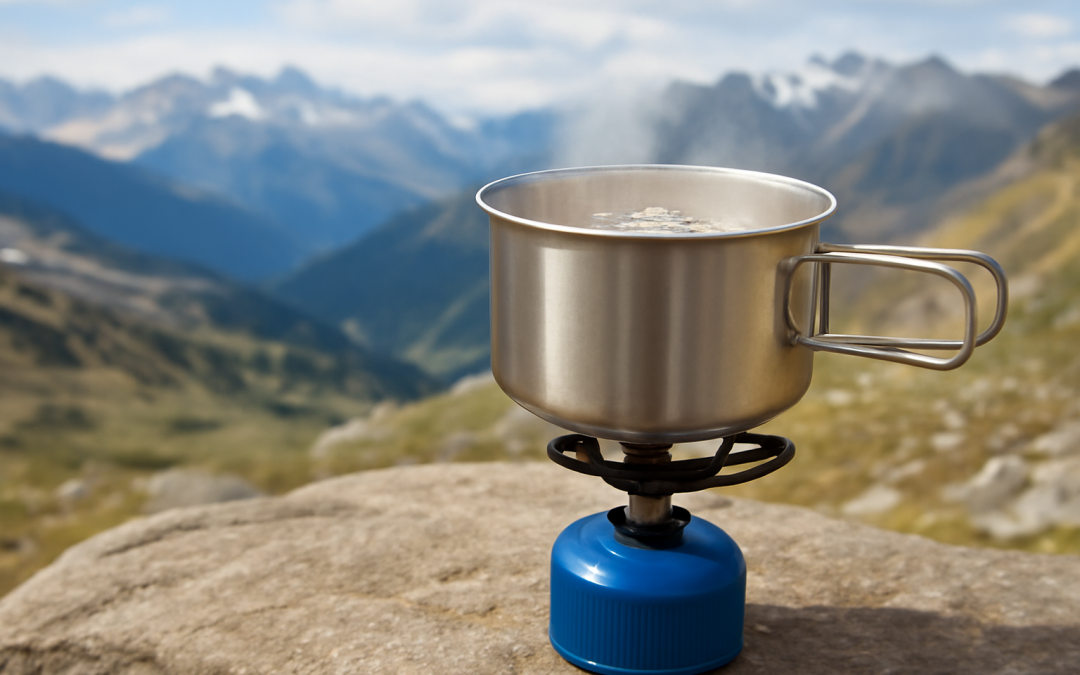
Cooking in high-altitude environments presents unique challenges that can significantly alter the results compared to cooking at sea level. These differences stem primarily from the changes in atmospheric pressure and oxygen levels, which influence everything from boiling points to moisture evaporation rates. Whether you are an experienced chef, a home cook, or an adventurous traveler, understanding how altitude affects cooking is crucial to achieving consistent and delicious outcomes.
One of the most significant ways altitude impacts cooking is through the change in boiling point of water. At sea level, water boils at 212°F (100°C), but as altitude increases, atmospheric pressure decreases, causing water to boil at lower temperatures. For example, at 7,500 feet, water boils at approximately 198°F (92°C). This seemingly small change can have profound effects on how food is cooked, especially when boiling or simmering is involved. When water boils at a lower temperature, it takes longer to cook food properly because the highest temperature the cooking liquid can reach is limited by the boiling point.
This lower boiling point means that foods cooked by boiling or simmering, such as vegetables, rice, and pasta, take longer to become tender. Bakers also encounter this effect when boiling ingredients like eggs or preparing certain sauces. The extended cooking time often leads to overcooking on the outside of the food while the inside remains underdone if the timing isn’t adjusted correctly. To compensate, cooks often have to extend cooking times or increase cooking temperatures using different methods, like pressure cooking, to achieve the desired results efficiently.
Another critical effect of high altitude on cooking is the change in air pressure’s influence on moisture evaporation. Lower pressure means that liquids evaporate more quickly during cooking. For example, when roasting meats or baking bread at high altitude, the moisture inside the food or dough escapes faster due to the reduced atmospheric pressure. This can result in drier baked goods and tougher meats if adjustments are not made. Bakers often modify their recipes by increasing the amount of liquid in doughs and batters or reducing the baking time slightly to compensate for the rapid evaporation of moisture.
The leavening process in baking is also affected by high altitude. Since gases expand more when there is less atmospheric pressure, yeast and chemical leavening agents like baking powder and baking soda cause doughs and batters to rise faster and more vigorously at high altitudes. If this expansion isn’t controlled, it can lead to problems such as excessive rising and then collapsing, resulting in baked goods with poor texture and uneven crumb structures. The faster rise also shortens the overall baking time, so bakers need to reduce the amount of leavening agents or adjust the baking temperature to avoid overexpansion and structural weaknesses.
Eggs, which play a vital role in many recipes, also cook differently at altitude. Their proteins coagulate at lower temperatures because of the reduced atmospheric pressure, which can cause them to overcook quicker or have an altered texture in recipes such as custards, soufflés, or frittatas. For example, simmering eggs to make soft-boiled eggs takes longer due to the reduced boiling temperature of water, but they can become rubbery if cooked too long. Careful attention to cooking times and temperatures helps maintain the desired texture when cooking eggs at high altitudes.
Vegetables tend to require special consideration as well because their cellular structure can react differently to the combination of lower boiling temperatures and quicker moisture loss. Root vegetables, for example, may take significantly longer to soften, while leafy greens might wilt faster but fail to fully tenderize. Pressure cookers are invaluable tools at high altitudes because they increase the pressure inside the cooking chamber, allowing water to reach higher temperatures than it would at ambient pressure. This speeds up cooking and can produce results more like those at sea level.
When it comes to baking, every ingredient seems to interact differently under the influence of altitude. The reduced air pressure means gases in leavened products expand more rapidly during baking, requiring careful balance of leavening agents to prevent over-expansion and collapse. Sugar tends to become more concentrated due to quicker moisture loss, leading to drier, crumbly textures. Similarly, flour’s ability to absorb water increases, necessitating recipe modifications to maintain the right batter or dough consistency. Many high-altitude bakers find success through trial and error, but scientific understanding of the underlying principles speeds up the process significantly.
Adjusting oven temperature is another common modification at higher elevations. Increasing the baking temperature by 15 to 25 degrees Fahrenheit can help set the structure of baked goods more quickly and reduce the likelihood of collapse from overexpansion of gases. Shortening baking times is equally important to prevent excessive drying due to faster evaporation. For recipes reliant on caramelization, roasting, or browning, higher temperatures can deliver better flavor development at altitude. However, too great an increase can cause burning or uneven cooking, so precise monitoring is essential.
One often overlooked aspect of altitude’s effect on cooking is its impact on fermentation processes. Yeast activity is influenced by the availability of oxygen and pressure, so rising dough in bread or other yeast-leavened products may behave differently – often more aggressively – at higher elevations. This can lead to quicker fermentation times, requiring shorter proofing periods to avoid over-proofing, which weakens the dough’s structure and results in dense, collapsed bread. Controlling fermentation temperature and time becomes paramount at altitude to maintain bread quality.
Another challenge comes with candy making or any recipe that requires reaching specific temperatures in boiling syrups, such as fudge, caramel, or hard candy. Since boiling point decreases with altitude, sugar syrups reach the desired stages (soft ball, hard crack, etc.) at lower temperatures, and traditional candy temperature charts used at sea level must be recalibrated. Failing to adjust for altitude can cause undercooked or overcooked candy, impacting texture and quality. Using a candy thermometer specifically calibrated for altitude or relying on visual and textural cues can help ensure success.
Meat cooking is also influenced by altitude because lower boiling temperatures and faster moisture evaporation affect cooking methods that rely on water-based techniques, such as braising or poaching. Meat cooked at high altitude might take longer to reach tenderness, and the drier air can cause it to lose moisture more rapidly, potentially resulting in tougher texture and less flavorful results. Low and slow cooking methods or pressure cooking can be especially effective in delivering tender, flavorful meat. Additionally, seasoning might need to be adjusted as drier meat can absorb spices differently.
Understanding these effects helps cooks adapt recipes and techniques to maintain quality and flavor. For instance, increasing the amount of liquids in soups, stews, and baked goods compensates for quicker evaporation. Lowering the amount of leavening agents balances faster gas expansion during rising. Adjusting cooking times depending on whether methods rely on boiling, steaming, or dry heat ensures food doesn’t become undercooked or overcooked. Being aware of these scientific principles transforms cooking into a more predictable and successful endeavor despite altitude challenges.
Altitude’s impact isn’t always negative; some cooking processes can yield unique and enjoyable results when properly managed. For example, the faster evaporation can create crispier crusts on breads and roasted meats, while rapid fermentation might develop complex flavors if carefully controlled. High-altitude cooking inspires innovation and deepens appreciation for the biochemical nature of food preparation. Chefs in mountainous and elevated regions have mastered these adjustments through experience, and their insights often inspire culinary enthusiasts to experiment creatively with local ingredients.
In conclusion, successfully cooking at altitude demands an understanding of how lower atmospheric pressure influences boiling points, moisture evaporation, leavening, and fermentation. Adjustments in liquid quantities, cooking temperatures, and times are essential to combat these effects and achieve consistent results. Recognizing that gases expand more rapidly and water boils at lower temperatures allows cooks to refine techniques and recipes to maintain food quality. By mastering these variables, one can enjoy preparation of everything from delicate baked goods to hearty stews, turning a potential culinary challenge into an opportunity for creative adaptation and flavorful meals.