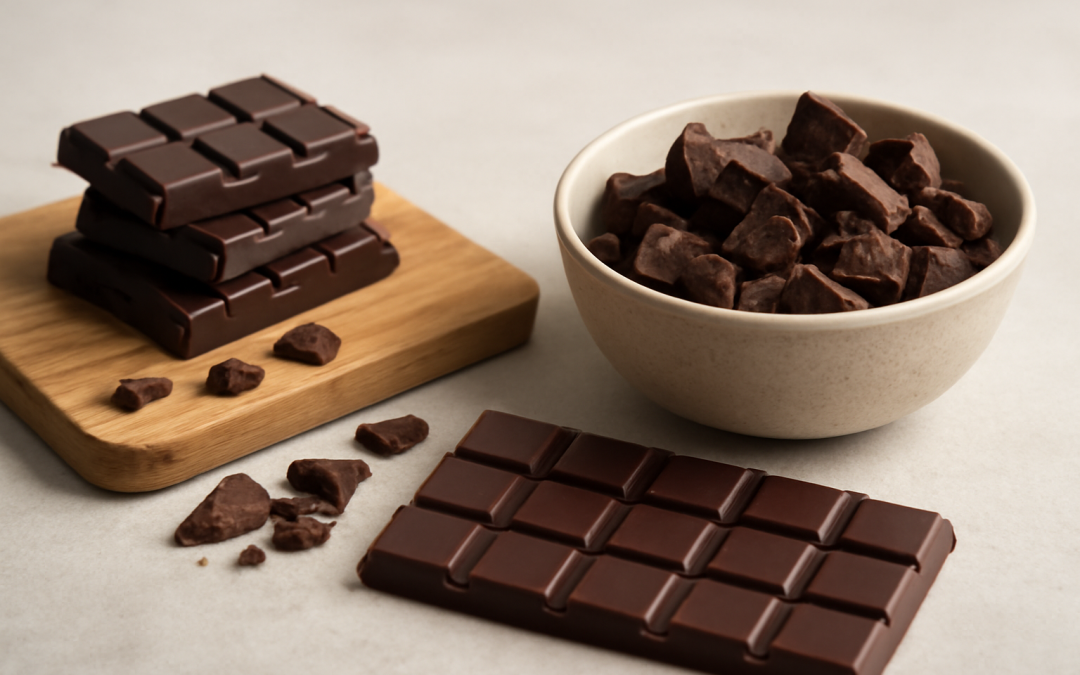
Chocolate has long been a beloved treat, cherished worldwide for its rich, indulgent flavor and its ability to bring a moment of pleasure. However, not all chocolate is created equal, and its uses can be as diverse as the varieties available on the market. The distinction between baking chocolate and eating chocolate is more than just a matter of taste; it influences texture, cooking results, and overall culinary satisfaction. Understanding these differences is essential for anyone who enjoys cooking or baking with chocolate or simply wants to savor it at its best.
Baking chocolate, also referred to as unsweetened or cooking chocolate, is specially formulated for use in recipes. It typically contains pure chocolate solids with no added sugar, allowing cooks to control the sweetness of their creations. Because it lacks sugar, baking chocolate has a robust and sometimes harsh cocoa flavor, which can be surprising when tasted on its own. The absence of sugar means that it is much less palatable when eaten raw, but its strong chocolate concentration makes it ideal for melding with other ingredients.
In contrast, eating chocolate is crafted with consumer enjoyment in mind. It includes added sugars, milk solids, and other ingredients to create a smoother, sweeter taste. This category includes milk chocolate, dark chocolate, and white chocolate, each with varying levels of cocoa solids and sugar content. Eating chocolate is designed for direct consumption, offering a balance of sweetness, creaminess, and cocoa intensity that enhances the overall flavor experience. Its texture is also softer and more melting, contributing to its appeal as a treat.
The manufacturing processes for baking and eating chocolate diverge significantly to suit their intended purposes. Baking chocolate undergoes thorough refining to achieve a hard, block-like form that melts evenly in heat. Its firm texture and higher cocoa content allow for precise incorporation into recipes without altering the moisture balance too much. On the other hand, eating chocolate is crafted to have a creamier mouthfeel and to maintain a glossy appearance with a satisfying snap. The fat content, often from cocoa butter and milk additions in certain types, is carefully balanced to optimize taste and texture during direct consumption.
One of the most critical differences lies in the way each type behaves when heated. Baking chocolate is made to withstand direct melting and baking temperatures without burning or seizing too quickly. Its design makes it ideal for recipes such as cakes, brownies, and sauces where chocolate needs to be incorporated smoothly and evenly. In contrast, many eating chocolates contain dairy and sugars that make them more susceptible to burning and separation when exposed to high heat. This quality means that not all eating chocolates are suitable for baking – substitution without consideration can lead to subpar results.
Understanding cocoa content is another key factor. Baking chocolates often have a high percentage of cocoa solids, sometimes reaching 70% or more, which accounts for their deep, sometimes bitter flavor. Eating chocolates, while they can also be high in cocoa content (especially dark chocolate), usually have lower percentages in milk chocolate or white chocolate varieties. This difference influences not only flavor intensity but also melting points and how the chocolate interacts with other ingredients in recipes or during consumption.
When it comes to practical kitchen applications, knowing which chocolate to use can significantly affect the outcome. Bakers often rely on baking chocolate for its pure, unadulterated chocolate flavor and its ability to solidify properly once cooled. Recipes calling for bittersweet or semisweet chocolate often refer to specific baking chocolates crafted to balance flavor and texture during baking. Using the wrong type, such as milk chocolate in a delicate dessert, can result in excessive sweetness or an unintended texture, potentially undermining the chef’s intent.
Conversely, eating chocolate is perfect for snacking or garnishing desserts where the chocolate’s texture and taste are front and center. Its balanced sweetness and creaminess make it ideal for eating out of hand or dipping fruits and nuts. Moreover, certain recipes benefit from eating chocolate’s smoother melting qualities, especially in confections like truffles or chocolate-covered treats. However, because it contains sugar and often milk solids, baking with this type requires careful temperature control to avoid burning or grainy textures.
Health considerations also vary between the two types. Baking chocolate, with its higher cocoa content and lower sugar, tends to have more antioxidants and less sugar, appealing to health-conscious consumers who still want to enjoy chocolate flavor. Eating chocolate, especially milk and white chocolates, often have lower antioxidant levels due to processing and added ingredients but may appeal to those who prefer sweeter, creamier treats. Choosing between the two can depend on dietary preferences or restrictions, making it important to understand how each variety fits into a balanced diet.
From a sensory experience standpoint, the difference is stark. Eating chocolate offers immediate pleasure with its smooth texture, sweetness, and aroma, making it a favorite for casual indulgence. Baking chocolate, on the other hand, requires transformation through cooking to reveal its potential. Its raw taste is less approachable but when incorporated properly into a recipe, it becomes part of something rich, complex, and satisfying. This transformative quality is a hallmark of baking chocolate and highlights its role not just as an ingredient but as a fundamental building block in many classic desserts.
Storage requirements differ slightly as well. Both types of chocolate benefit from cool, dry storage away from light and strong odors. However, baking chocolate’s higher cocoa solids and lower sugar content give it a longer shelf life and better resistance to bloom (the white, powdery coating that can appear due to fat or sugar crystallization). Eating chocolates, with their higher sugar and milk contents, are more sensitive and prone to spoilage or texture changes over time, necessitating more careful handling to maintain freshness.
Environmental and ethical considerations increasingly influence chocolate choices in kitchens. Many baking chocolates are sourced with sustainability certifications such as Fair Trade or Rainforest Alliance, catering to bakers who prioritize responsible sourcing. Eating chocolate brands also embrace these certifications, often adding unique flavors or organic ingredients to appeal to conscious consumers. Understanding the source and production practices of one’s chocolate can add another layer of appreciation, whether for baking or direct consumption.
In summary, selecting the appropriate type of chocolate hinges on a clear understanding of the fundamental differences between baking chocolate and eating chocolate. Baking chocolate’s purity and functionality make it essential for recipes requiring control over sweetness and texture, while eating chocolate is crafted to maximize pleasure through taste and mouthfeel. Both have their place in the culinary world, and discerning consumers or chefs will benefit by using each as intended to obtain the best results.
Ultimately, the choice reflects an interplay between the culinary goals, the desired flavor profile, and the texture one aims to achieve in a dish or as a snack. Careful attention to these factors ensures that the powerful magic of chocolate is fully realized, whether it is melting into a warm cake or enjoyed slowly as a simple treat. Understanding these distinctions empowers food enthusiasts to appreciate chocolate’s versatility and depth in all its forms.