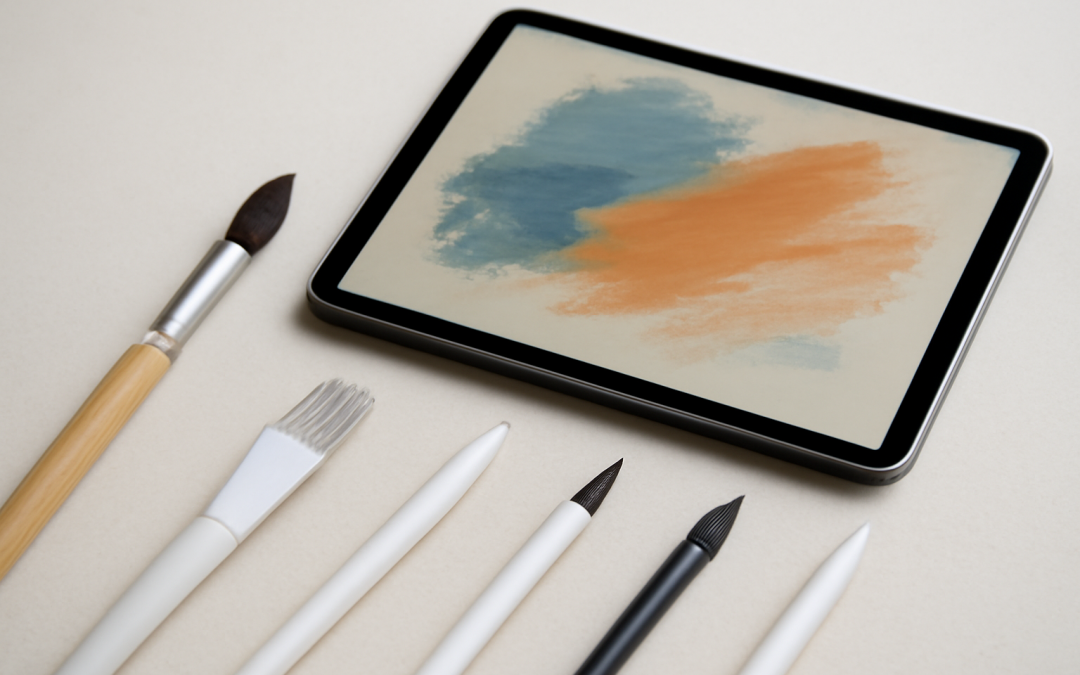
In the ever-evolving landscape of digital artistry, mastering the tools at one’s disposal is as essential as understanding traditional techniques was for artists of the past. Among these tools, the variety and complexity of digital brushes stand out as one of the most transformative elements for creative expression. Digital brushes have revolutionized how artists conceive and execute their work, allowing for unprecedented flexibility and precision. However, the abundance of choices and technical nuances can be overwhelming, making it crucial to delve into the intricacies of digital brushes and understand how to harness their full potential.
At its core, a digital brush mimics the behavior of physical brushes but within digital software, offering artists control over stroke, texture, opacity, and blending. Unlike traditional brushes, digital brushes are not bound by physical limitations such as bristle type or paint consistency; instead, they rely on algorithms and pressure sensitivity to create diverse effects. The technology behind digital brushes incorporates complex code that interprets input from devices like graphics tablets or styluses, converting pressure, tilt, and speed into corresponding visual outcomes. This adaptability means that an artist can emulate anything from a soft watercolor wash to a textured oil stroke with the click of a button.
Understanding the types of digital brushes available is essential to unlocking their potential. Generally, brushes fall into categories such as pixel-based brushes, vector brushes, and pattern brushes, each serving different artistic needs. Pixel-based brushes are the most common, manipulating individual pixels to produce fine details and shading. Vector brushes, on the other hand, use mathematical paths to create smooth, scalable strokes that don’t lose quality regardless of zoom level, making them favored for graphic design and illustration. Pattern brushes are specialized tools that apply repetitive textures or shapes, perfect for backgrounds or intricate designs. Recognizing which brush type aligns with your project goals helps in choosing the right tool for the artistic effect you seek.
The role of brush settings cannot be overstated, as they dictate how a digital brush interacts with the canvas. Parameters such as size, hardness, spacing, and texture influence the final appearance of a stroke. Size determines the breadth of the brush, allowing for broad sweeps or fine details. Hardness controls the edge definition, from crisp lines to softer blends. Spacing affects how frequently the brush’s “stamps” appear along a stroke, impacting the opacity and continuity of the line. Texture infuses the brush with patterns or grain, simulating the tactile feel of real-world surfaces. Mastering these settings offers artists nuanced control, enabling them to recreate the subtleties of traditional mediums or venture into entirely new stylistic territories.
One of the groundbreaking advancements in digital brushes is the introduction of pressure sensitivity, which responds dynamically to the amount of pressure an artist applies on their stylus or tablet. This feature transforms digital brushes from static tools into responsive instruments that vary stroke thickness, opacity, and flow according to pressure changes. For example, a light touch might yield a faint line, while increased pressure produces a bolder, thicker mark—a concept that parallels how physical brushes behave. Pressure sensitivity effectively bridges the tactile gap between digital and traditional media, enhancing the natural feel of digital drawing and painting.
Another important aspect to consider is the application of blending and mixing in digital brushwork. Traditional painting techniques often rely on mixing pigments on a palette or directly on the canvas. In digital media, while color blending can be artificially simulated via brush modes or software algorithms, many digital brushes incorporate specialized blending features. These allow for the mixing of colors on the digital canvas, producing gradients, smudges, and layered textures reminiscent of wet paint. Tools like smudge brushes and blending modes add depth and realism to digital paintings, elevating the artwork’s visual complexity while also providing opportunities for experimental effects.
Customization is a hallmark of digital brushes. Many digital art programs permit artists to create their own brushes from scratch, tailoring shapes, textures, and behaviors to their specific artistic vision. This capability can involve importing custom textures, adjusting pressure curves, or scripting brush dynamics to respond uniquely to user input. By designing personalized brushes, artists can cultivate a signature style or replicate effects that commercial brush packs might not offer. Furthermore, sharing custom brushes within creative communities fosters collaboration and advances the collective skill set within the digital art world.
Despite the many advantages, choosing and mastering digital brushes requires a careful learning process. New users often feel overwhelmed by the sheer number of brush presets and parameters available. An effective approach is to begin with a limited selection of versatile brushes that cover foundational needs such as sketching, inking, shading, and texturing. From there, experimenting with modifications to settings and trying different pressure and tilt combinations deepens the understanding of how brushes behave. Tutorials, practice projects, and reverse-engineering favorite artworks can all be instrumental in accelerating the learning curve and building confidence.
The software environment also plays a pivotal role in shaping digital brush dynamics. Different programs like Adobe Photoshop, Corel Painter, Procreate, and Clip Studio Paint offer distinct brush engines with unique capabilities and responsiveness. Some software excels in replicating natural media due to advanced simulation engines that emulate wet media behaviors, while others focus on versatility for comic art or texture creation. Additionally, hardware considerations such as the quality of the tablet, stylus sensitivity levels, and display resolution affect how brushes perform and how intuitive they feel during use. Artists should assess both software and hardware options to find combinations that enhance their workflow and artistic goals.
In professional settings, the choice and mastery of digital brushes significantly impact productivity and final output quality. Illustrators, concept artists, animators, and digital painters all rely on an optimized brush toolkit to meet client demands and deadlines efficiently. For example, comic book artists may prefer brushes that replicate traditional ink pens with high contrast and sharp lines, while concept designers might prioritize brushes that allow rapid texture application and atmospheric effects. Understanding these requirements allows professionals to build brush libraries and workflows tailored to their niche, resulting in consistent and polished work.
The evolution of digital brushes continues rapidly, with emerging technologies like artificial intelligence and machine learning beginning to influence brush behavior. Some modern digital brushes incorporate AI-driven algorithms which adapt stroke dynamics based on style or content, automatically refine line work, or suggest color harmonies during painting. These innovations aim to further narrow the gap between human intuition and digital execution, offering assistants that enhance creativity without compromising artistic freedom. While these technologies remain in early stages, they signal a future where digital brushes might evolve beyond mere instruments into intelligent collaborators.
The crossover between digital and traditional art techniques is another fascinating aspect enabled by digital brushes. Many contemporary artists use hybrid workflows where drawings started traditionally are scanned and further refined digitally. Digital brushes let them emulate the original media texture while correcting or enhancing the work with ease. Conversely, artists comfortable with digital tools sometimes print their work to add physical textures and then re-digitize the piece for final touches. This fluidity between realms expands creative possibilities and challenges conventional boundaries between analog and digital art, reflecting the adaptable nature of modern artistic practice.
While the technical side of digital brushes garners much attention, understanding their expressive potential is equally important. Digital brushes are not just technical tools—they are extensions of the artist’s vision and emotion. Each stroke carries intent, rhythm, and personality, much like in traditional media. The interplay of pressure, speed, and texture transforms mere marks into meaningful imagery. By learning how to control and manipulate digital brushes with purpose, artists tap into the emotional dimension of their craft, enabling their work to resonate more deeply with viewers.
As artists become more proficient, they often find that digital brushes can both challenge and inspire new creative methods. The variety of textures and effects encourages experimentation with abstract forms, surreal compositions, or hyperrealistic details that may be difficult or impossible to achieve with traditional methods. Digital brushes allow for non-destructive editing, multiple layers, and instant undoing—features that invite risk-taking and revision without penalty. This freedom fosters innovation, allowing artists to push boundaries, discover new aesthetics, and redefine what visual art can be in the digital age.
Education and community interaction are vital factors in the ongoing demystification of digital brushes. Online platforms, forums, and workshops provide valuable resources and spaces where artists share tips, brush packs, and techniques. These interactions facilitate learning and expand the collective understanding of digital brushes’ functionalities. Moreover, as new brush technologies emerge, staying informed through continuous education helps artists remain competitive and inspired. The collaborative spirit within digital art communities exemplifies how shared knowledge can accelerate mastery and fuel artistic growth.
In conclusion, digital brushes are a powerful, multifaceted tool that bridges traditional artistry and modern technology. By comprehending their types, settings, and technological underpinnings, artists can transform their creative process and output. Mastery comes both from technical study and expressive practice, encouraging an ongoing dialogue between the brush, the artist, and the digital canvas. As digital brush technologies evolve and integrate more intelligent features, the possibilities for artistic innovation grow exponentially. Embracing and understanding these tools not only enhances the quality of digital art but also enriches the creative journey itself, positioning artists to explore new realms of visual storytelling and expression.