In today’s rapidly evolving technological landscape, the concept of automation has emerged as a driving force across virtually every industry. It represents a fundamental shift in how tasks are performed, transforming manual processes into streamlined, machine-driven operations. Automation is often misunderstood as merely replacing human effort with machines, but its implications reach far deeper, touching on economic structures, workplace environments, and daily life. To fully grasp the scope of what automation really means, it is crucial to explore its origins, applications, implications, and future potential in a comprehensive manner.
At its core, automation refers to the use of technology to perform tasks with minimal human intervention. This can range from simple mechanization of repetitive physical activities to complex systems that use artificial intelligence to make decisions and adapt in real time. The origins of automation date back to the Industrial Revolution, when the introduction of machines in manufacturing began to reduce dependence on manual labor. Over time, the scope of automation expanded beyond factories to encompass sectors such as transportation, communication, healthcare, and even creative industries. What started as a means to improve efficiency has evolved into a catalyst for innovation and competitive advantage.
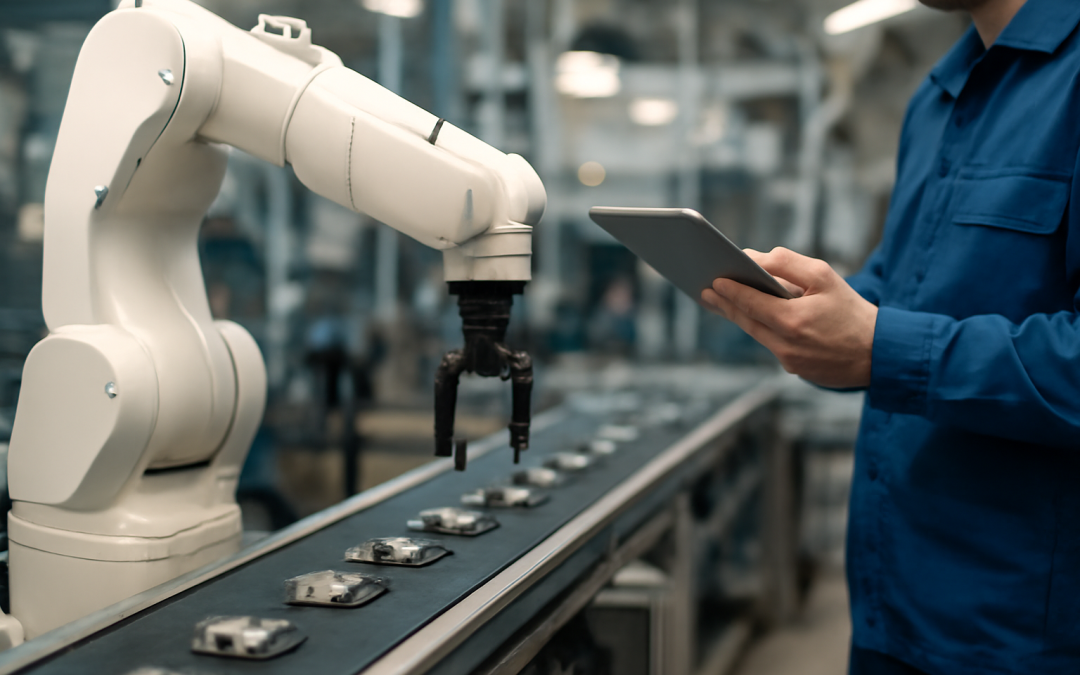
One of the most visible benefits of automation is its ability to increase productivity and reduce human error. By automating routine and time-consuming tasks, organizations can free up human resources for more strategic and creative responsibilities. For example, in manufacturing, robots can perform precision welding or assembly work faster and more consistently than humans, leading to higher quality products and faster turnaround times. Similarly, in offices, software automation can handle data entry, scheduling, and even customer service inquiries via chatbots, allowing employees to focus on complex problem-solving and relationship-building activities. This ability to optimize workflows is a primary reason why automation continues to see widespread adoption.
However, automation is not solely about improving efficiency. It also paves the way for entirely new capabilities that were previously unimaginable. Advanced automation systems equipped with artificial intelligence and machine learning can analyze vast amounts of data to identify patterns, predict outcomes, and make decisions autonomously. In healthcare, automated diagnostic tools can detect diseases earlier and with greater accuracy than traditional methods. In finance, algorithmic trading systems can respond instantly to market changes, executing trades faster than any human broker could. These sophisticated capabilities highlight how automation is reshaping not only how work is done but also what is possible in various disciplines.
Despite its many advantages, automation also raises important social and economic questions. The displacement of workers due to automation has been a recurrent concern since the dawn of mechanization. While automation can lead to job losses in certain tasks, history demonstrates that it also creates new opportunities, often in unexpected forms. When routine tasks are automated, demand grows for roles involving oversight, development, and maintenance of these automated systems. Educational systems and workforce training programs must adapt to prepare individuals for these new roles, emphasizing skills such as critical thinking, creativity, and technological literacy. The challenge lies in managing this transition in a way that minimizes social disruption and promotes inclusive growth.
Moreover, automation has implications for ethical decision-making and accountability. As machines take on more autonomous roles, questions arise about who is responsible in the event of errors or accidents. For instance, in the case of self-driving cars, determining liability when an autonomous vehicle malfunctions presents a complex legal and moral dilemma. This extends to automated systems in sectors like healthcare, where incorrect decisions can have life-or-death consequences. Therefore, the implementation of automation must include robust governance frameworks to ensure transparency, fairness, and ethical compliance. These frameworks should be designed collaboratively by policymakers, technologists, and affected communities to reflect shared values and risks.
Another critical dimension of automation is its effect on innovation cycles and market dynamics. By automating processes, companies can accelerate product development and bring innovations to market more swiftly. This rapid iteration is often crucial in competitive industries where speed is essential. However, increased automation also tends to favor large organizations with the resources to invest heavily in new technologies. Smaller businesses may struggle to keep pace, potentially leading to market consolidation and reduced competition. Policymakers need to consider these market dynamics carefully to avoid unintended economic disparities while fostering an environment conducive to innovation for all players.
Automation also impacts the environment in multifaceted ways. On one hand, automating manufacturing and logistics can reduce waste and energy consumption by optimizing resource use and minimizing errors. For example, precision agriculture uses automated sensors and drones to optimize water and fertilizer use, reducing environmental impact. On the other hand, the increasing demand for automated technology drives greater energy consumption through data centers, robotics, and the production of electronic components. Balancing automation’s environmental footprint requires ongoing innovation in sustainable technologies as well as thoughtful deployment strategies to maximize benefits while mitigating ecological harm.
In the realm of everyday life, automation is becoming an increasingly integrated presence, changing how individuals interact with their environment. Smart home devices automate lighting, climate control, and security systems, offering convenience and improved energy efficiency. Personal digital assistants help manage schedules, answer queries, and even control other devices. Autonomous vehicles promise to transform transportation by enhancing safety and accessibility. While such advancements bring undeniable benefits, they also raise concerns about privacy, data security, and the digital divide. Ensuring equitable access and protecting users’ rights are vital considerations as automation continues to expand into personal spaces.
Looking ahead, the future of automation is intertwined with the advancement of artificial intelligence and the Internet of Things (IoT). Smart automation systems will increasingly become interconnected, with devices communicating and coordinating autonomously to deliver more seamless and intelligent experiences. For example, a future smart city might leverage automated traffic management, waste disposal, and energy grids to optimize urban living in ways currently impossible. The fusion of automation with AI promises systems capable of self-improvement, adaptive learning, and greater contextual understanding. These developments could redefine productivity, creativity, and human potential, making the role of automation even more integral to societal progress.
However, realizing this future requires thoughtful integration and continuous evaluation. Organizations must focus on harmonizing human and machine collaboration, emphasizing how automation can augment human abilities rather than simply replace them. This human-centric approach can help drive innovation while fostering workforce morale and resilience. Additionally, ethical considerations around AI’s role in automation, including bias mitigation, transparency, and accountability, must be addressed proactively. Regulation and industry standards will play key roles in setting boundaries that protect societal interests without stifling innovation.
It is equally important to recognize that automation does not represent a one-size-fits-all solution. Different industries, regions, and organizational contexts bring unique challenges and opportunities. Tailoring automation strategies to specific needs and cultural contexts is essential to ensure successful adoption and acceptance. Furthermore, continuous monitoring of automation’s impact on performance, employee well-being, and societal outcomes is necessary to fine-tune implementations over time. This iterative approach will enable benefits to be maximized while unintended consequences are minimized.
In summary, automation is far more than just a technological advancement aimed at efficiency gains. It encompasses a broad spectrum of applications that touch nearly every aspect of modern life and work. Its influence reshapes economies, societies, and individual experiences by altering how tasks are performed, decisions are made, and innovations are generated. While automation offers tremendous possibilities, its adoption must be managed with foresight and responsibility, taking into account ethical implications, workforce transitions, market effects, and environmental sustainability. Embracing such a comprehensive view of automation enables us to harness its full potential while navigating the challenges it presents, thereby creating a future that benefits both people and the planet.