The rapid advancement of technology has brought about revolutionary changes in various fields, and robotics has emerged as one of the most significant contributors to this transformation. Robotics, a multidisciplinary branch of engineering and science, is fundamentally concerned with the design, construction, operation, and application of robots. These machines possess the ability to carry out tasks autonomously or semi-autonomously, often replacing or augmenting human efforts. With applications spanning industries and everyday life, robotics is now deeply embedded in modern society, influencing how work is done, problems are solved, and challenges are met.
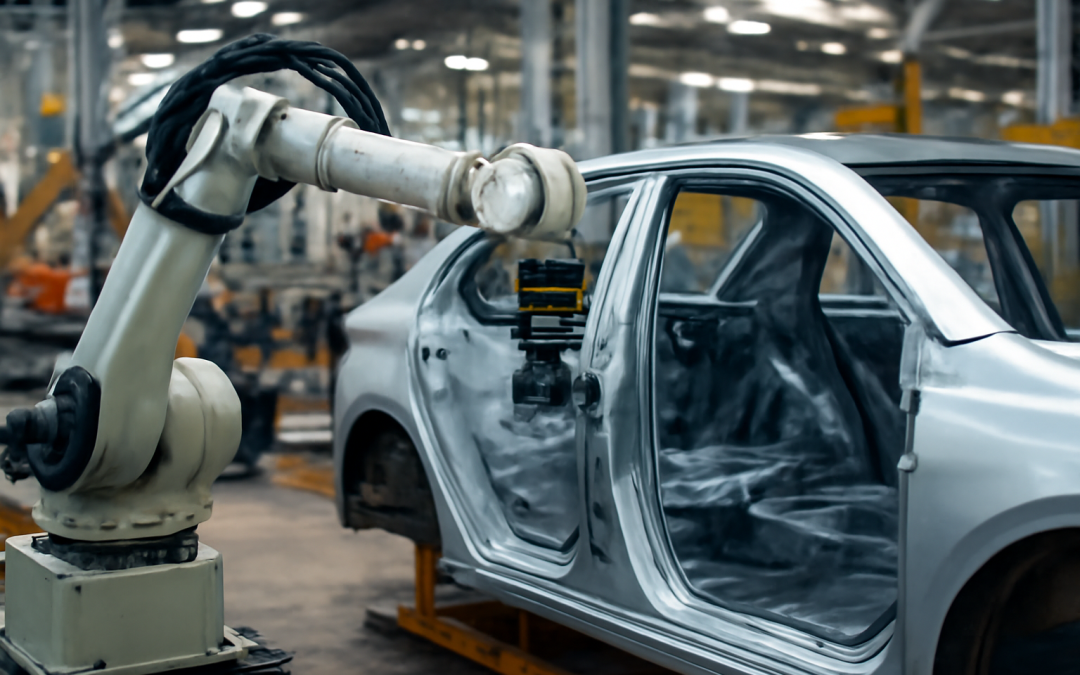
One of the primary uses of robotics can be seen in manufacturing and industrial automation. Since the mid-20th century, factories have employed robots to perform repetitive or hazardous tasks with greater precision and efficiency than human workers. Robots excel in assembly lines, where they weld, paint, package, and handle materials, often operating around the clock without fatigue. This shift has not only increased productivity but also improved safety by removing humans from dangerous environments characterized by heavy machinery, toxic substances, or extreme conditions. Over time, advancements in robotics have moved from rigid, single-purpose machines to versatile systems capable of adapting to different tasks and collaborating safely with human operators in a shared workspace.
Beyond manufacturing, the field of medicine has embraced robotics in numerous ways, pushing the boundaries of what can be achieved in patient care and surgical precision. Robotic surgical systems now allow surgeons to perform minimally invasive procedures while enhancing dexterity and reducing patient recovery times. These systems integrate high-definition 3D vision, tiny instruments, and computerized controls to execute complex operations that would be difficult or impossible using traditional methods. Additionally, robotics in rehabilitation helps patients regain mobility through prosthetics and exoskeletons. These assistive devices are becoming increasingly sophisticated, incorporating sensors and AI to respond dynamically to users’ movements, greatly improving quality of life for those with disabilities or injuries.
Agriculture, too, has found value in robotics, particularly in the face of rising food demands and the need for sustainable farming practices. Robots are being developed to monitor crops, apply fertilizers and pesticides precisely, and harvest produce with minimal human intervention. This adoption not only boosts efficiency but also reduces environmental impact by limiting excessive chemical use and minimizing soil disturbance. Autonomous tractors and drones equipped with cameras and sensors provide real-time data on crop health, helping farmers make informed decisions. As robotics technology matures, the promise of fully automated farms looms, potentially transforming how the world approaches food production on a global scale.
The service industry is another realm where robotics is growing rapidly. Robots designed to assist in customer service roles perform tasks such as delivering food in restaurants, guiding visitors in public spaces, and even offering companionship in healthcare settings. Hotels employ robots to handle room service and cleaning, while airports use automated systems to streamline baggage handling and security checks. The integration of robotics in these roles aims to enhance efficiency, reduce costs, and improve user experiences. Furthermore, social robots, which can recognize emotions and respond empathetically, are becoming tools for education and elder care, providing engagement and reducing feelings of loneliness.
In logistics and warehousing, robotics fundamentally changes how goods are handled and distributed. Automated guided vehicles (AGVs) and robotic arms manage inventory by transporting, sorting, and packaging products with speed and consistency. This automation addresses the increasing demand for rapid delivery and order fulfillment in e-commerce, where speed is a critical competitive advantage. Robots equipped with artificial intelligence optimize their movements within complex warehouse layouts, adapting to changing tasks and preventing collisions. The ability to operate continuously without fatigue or distraction makes them invaluable assets, particularly during peak demand periods like holiday seasons.
Exploration and research represent yet another frontier for robotics. Space missions, underwater ventures, and hazardous environments often place humans at great risk or are inaccessible altogether. Robots serve as pioneers, collecting data, conducting experiments, and performing maintenance in these extreme settings. Mars rovers, for example, autonomously navigate arduous terrain to gather geological information critical to expanding our understanding of the planet. Similarly, underwater drones explore ocean depths where pressure and darkness preclude human presence. Through these applications, robotics extends the reach of human knowledge and capabilities while preserving safety.
In the realm of military and defense, robotics plays an increasingly strategic role. Unmanned aerial vehicles (UAVs), or drones, perform reconnaissance, surveillance, and even targeted strikes with precision and reduced risk to personnel. Ground-based robots conduct bomb disposal and mine detection, safeguarding human lives in volatile combat zones. Autonomous or semi-autonomous vehicles can transport supplies or carry out missions deemed too dangerous for soldiers. While the use of robotics in warfare introduces ethical and legal challenges, their tactical advantages are undeniable, prompting ongoing debate about the future of armed conflict.
Education benefits from robotics by providing interactive and engaging learning experiences. Robots are incorporated into STEM (science, technology, engineering, and mathematics) curricula to teach programming, engineering concepts, and problem-solving skills. Through hands-on interaction with robots, students develop critical thinking and creativity, preparing them for careers in an increasingly technology-driven world. Furthermore, robotics competitions and clubs inspire collaboration and innovation, fostering interest in technology among younger generations.
The entertainment industry is a less conventional but increasingly important user of robotics technology. Robots contribute to animatronics in movies and theme parks, creating lifelike characters and special effects that enhance storytelling and guest experiences. Advanced robots capable of human-like movements and expressions blur the line between reality and fiction, captivating audiences. Additionally, robots are employed in virtual reality and gaming to provide physical feedback and interaction, further immersing users.
In everyday domestic life, robotics has made significant inroads with the proliferation of household robots. Robotic vacuum cleaners, lawn mowers, and window washers perform routine chores autonomously, freeing up time for their owners. Smart home integration allows these robots to operate efficiently, coordinating with other devices to optimize schedules and performance. While still relatively simple compared to industrial systems, these domestic robots represent a growing market and signal an ongoing trend toward automation in personal environments.
Robotics also plays a crucial role in disaster response and recovery. When natural or human-made disasters occur, robots can enter unsafe areas to assess damage, search for survivors, and deliver supplies. Equipped with sensors, cameras, and manipulators, these machines penetrate environments compromised by structural instability, chemical hazards, or radiation. Their ability to operate in such conditions minimizes risks to human emergency responders and speeds up the recovery process. Advances in robotics continue to improve the flexibility, durability, and autonomy of these rescue robots, enabling quicker and more effective responses in crisis situations.
Another important application lies in the fields of mining and construction, where robotics enhances productivity and safety. Remote-controlled and autonomous machines can excavate, transport, and assemble materials with precision. These tools reduce the need for workers to perform physically taxing or dangerous tasks in unstable or confined spaces. Additionally, robotic surveying and inspection systems provide detailed data on project progress and structural integrity, helping to prevent accidents. By combining robotics with emerging technologies like 3D printing and AI, the construction and mining industries are poised for increased efficiency and innovation.
In environmental monitoring and conservation, robotics offers tools to combat ecological challenges. Autonomous robots and drones gather data on wildlife populations, pollution levels, and climate conditions in remote or protected areas. This information supports conservation efforts and policy decisions by providing accurate, real-time insights. Some robots are designed to perform specific actions, such as planting trees, cleaning oceans, or removing invasive species, helping to reverse environmental damage. Robotics thus serves as both a scientific aid and a practical solution in addressing pressing environmental concerns.
Transportation is undergoing a profound shift with the integration of robotics, particularly through the development of autonomous vehicles. Self-driving cars, trucks, and public transit systems use sophisticated sensors, machine learning, and robotics technology to navigate traffic, enhance safety, and improve efficiency. These systems promise to reduce accidents caused by human error, increase accessibility for those unable to drive, and transform urban planning through optimized traffic flow. While regulatory and ethical issues remain, the potential of robotic transportation systems to revolutionize mobility is undeniable.
Lastly, the field of research and development itself benefits from robotics as both subject and tool. Engineers and scientists use robotic platforms to prototype new hardware and test software algorithms. Robotics enables experimentation in artificial intelligence, human-robot interaction, and system integration. The resulting innovations often cascade across multiple industries, accelerating the pace of technological progress. This recursive relationship ensures that robotics will continue evolving, expanding into new domains and applications in the future.
The multifaceted applications of robotics demonstrate its pivotal role in shaping contemporary life and the future. By automating routine tasks, enhancing human capabilities, and venturing into realms inaccessible to people, robotics drives efficiency, safety, and innovation across an extraordinary range of sectors. As technology continues to advance, the integration of robotics into daily life and work will only deepen, fostering new possibilities and addressing complex challenges worldwide. The ongoing development and ethical deployment of robotics thus remain critical to harnessing its full potential for societal benefit.