
by admin | Oct 6, 2026 | Home & Garden
Maintaining outdoor lighting plays a crucial role in enhancing the security of any residential or commercial property. Proper illumination of exterior spaces not only deters potential intruders by eliminating dark hiding spots but also fosters a sense of safety for occupants and visitors. However, simply installing outdoor lighting fixtures is not sufficient to ensure ongoing protection. Regular maintenance is essential to keep these systems functioning optimally and to maximize their effectiveness as a security measure.
One of the primary reasons outdoor lighting maintenance is vital for security is its direct impact on visibility. Over time, bulbs can burn out, lenses can become dirty or damaged, and wiring may corrode due to exposure to weather elements. These issues reduce the brightness and reach of the lights, allowing shadows and unlit areas to form, which could be exploited by wrongdoers. Routine inspections and timely repairs prevent such vulnerabilities, ensuring that every corner around a property remains well-lit and visible.
Environmental factors such as rain, snow, wind, and dust significantly contribute to the degradation of outdoor lighting components. Moisture can seep into fixtures through cracked seals, leading to rust or electrical shorts, while accumulation of dirt can dim the lights and obscure motion sensors or cameras integrated with the lighting system. During seasonal changes, especially in areas prone to harsh winters or intense heat, maintenance must be adapted accordingly. This means scheduling thorough checks before and after severe weather seasons to clear debris, reseal fixtures, and confirm that all parts are functioning as intended.
Another critical aspect of outdoor lighting maintenance is the alignment and positioning of fixtures. Over time, fixtures can shift due to wind, accidental bumps, or natural settling of poles and mounts. Misaligned lights may fail to cover vulnerable areas, leaving gaps that compromise security. During maintenance sessions, attention should be given not only to the brightness and condition of the lights but also to their directional placement. Adjusting the angles or repositioning lights can enhance surveillance and create more effective lighting patterns.
Technology upgrades are increasingly important components of outdoor lighting maintenance for security purposes. Advances in LED lighting, smart sensors, and automated controls offer improved energy efficiency and better security outcomes. LED bulbs, for example, last significantly longer than traditional incandescent or halogen bulbs and provide brighter, more consistent light. Integrating motion detectors or remote monitoring systems allows for real-time alerts when unusual activity is detected, providing property owners and security personnel with timely information to respond accordingly. Maintenance efforts should include evaluating whether existing fixtures can be upgraded or retrofitted with newer technologies to capitalize on these advantages.
Regular cleaning of outdoor lighting fixtures should never be neglected in a maintenance routine. Dirt, spider webs, and bird droppings can accumulate on lenses and covers, diminishing the light output. Using appropriate cleaning agents and soft cloths to avoid scratching surfaces helps ensure optimal light transmission. Cleaning also extends the life of the fixture by preventing corrosion or buildup of harmful substances. It is advisable to include this simple yet effective task in periodic maintenance schedules.
Battery checks and power supply integrity are additional components of outdoor lighting maintenance that impact security. Many outdoor lights rely on battery backup systems or solar power, which require consistent performance to provide illumination during power outages or nighttime hours. Batteries can lose charge capacity over time, and solar panels may become covered or blocked, reducing their efficiency. Ensuring that power sources are fully operational and replacing any faulty components proactively prevents unexpected outages, maintaining continuous perimeter lighting and security.
Wiring inspections and electrical testing are essential to prevent failures or hazards that can compromise outdoor lighting security. Corroded wires, loose connections, and exposed cables pose risks not only to lighting operation but also to safety. Electrical faults can cause intermittent lighting, flickering, or complete shutdowns, leaving areas unprotected. Qualified electricians should be engaged periodically to perform thorough assessments, repairs, and upgrades, especially in systems that are older or exposed to harsh environmental conditions.
Integration with security systems is another factor that makes maintenance vital. Many properties utilize lighting that is connected to alarm systems, surveillance cameras, or smart home controls. Proper synchronization between these devices ensures timely activation and efficient monitoring. For instance, motion-activated lighting that triggers cameras or alerts security personnel relies on accurate sensor functioning and communication protocols. Maintenance should include verifying that all components are compatible, responsive, and properly configured to deliver seamless security coverage.
Outdoor lighting maintenance also involves considering the aesthetics and regulatory compliance that affect security indirectly. Overgrown plants or trees can obscure lights or create shadows that reduce visibility. Regular landscaping around fixtures ensures that foliage does not block the illumination, preserving a clear line of sight. Additionally, many municipalities enforce lighting regulations concerning brightness levels, direction, and timing to minimize light pollution and neighbor disturbances. Staying compliant avoids potential legal issues and promotes a secure, community-friendly environment.
Involving professional services in outdoor lighting maintenance can significantly improve security outcomes. Security lighting specialists have the expertise to identify vulnerabilities that might be overlooked during routine checks, such as inappropriate fixture choices or outdated designs. Professionals can recommend optimal lighting layouts, technology upgrades, and repair schedules tailored to specific property needs. Their involvement ensures not only the longevity of lighting infrastructure but also a higher standard of safety for all occupants.
Budgeting adequately for continuous maintenance prevents costly emergency repairs and security risks. Neglecting small issues like dimming bulbs or loose fixtures may escalate into larger breakdowns requiring substantial investment or creating security blind spots. Planning a regular maintenance routine, including scheduled inspections and repairs, helps distribute costs evenly while maintaining the effectiveness of outdoor lighting as an integral part of a security system.
Educating property owners and managers about the importance of maintenance contributes to better security outcomes. Understanding how lighting degradation can create vulnerabilities encourages proactive behavior and timely interventions. Simple daily observations such as reporting flickering lights or noticing shadows in usually illuminated areas can trigger immediate action to rectify problems. This awareness fosters a security-conscious culture that complements technical efforts.
Seasonal adjustments may also be necessary for outdoor lighting maintenance related to security. Longer winter nights require extended lighting hours, while summer months might allow reduced illumination timing to save energy. Timers and photo cells that automatically adjust according to ambient light levels should be calibrated regularly to ensure they correspond correctly with changing daylight patterns. These adjustments contribute to consistent perimeter lighting without waste or unnecessary disturbances.
In summary, maintaining outdoor lighting is foundational to an effective security strategy. It demands attention to detail, scheduled inspections, timely cleaning and repairs, and periodic technological upgrades. Properly maintained lighting systems provide consistent visibility, deter criminal activity, support surveillance equipment, and create a safe environment for residents and visitors alike. Neglecting this vital aspect can undermine overall security efforts and expose properties to unnecessary risks.
The value of sustained commitment to outdoor lighting maintenance cannot be overstated. By understanding and implementing comprehensive upkeep practices, property owners not only protect their physical assets but also contribute to enhancing community safety and peace of mind. The investment of time and resources into regular maintenance pays dividends through improved security performance and reliability, making it an essential element in any defense plan.
by admin | Oct 5, 2026 | Home & Garden
Proper upkeep is essential to ensure a pressure washer operates efficiently and has a long service life. Like any power equipment, a pressure washer requires routine attention to keep its components functioning properly and to avoid unexpected breakdowns. With regular maintenance, operators can prevent costly repairs, ensure consistent cleaning performance, and protect their investment in this valuable tool. Understanding the fundamental care tasks helps users maximize the output and lifespan of their pressure washers.
A critical part of maintaining a pressure washer is inspecting and cleaning vital components regularly. The water inlet, for instance, contains a filter designed to prevent debris from entering the pump. If left dirty or clogged, the filter can restrict water flow and cause pressure drops. Simple rinsing or replacement of the filter can address these issues quickly. Similarly, the spray nozzles that control the water pressure and spray pattern can accumulate dirt or mineral buildup, which reduces performance. Removing and soaking the nozzles in vinegar or a specialized cleaning solution dissolves buildup and restores proper flow.
The pressure washer pump is the heart of the machine, and adequate care is necessary to avoid premature failure. Checking the oil level in pumps that require lubrication is mandatory before every use. Running a pump without sufficient oil can lead to overheating and mechanical damage. Changing the oil periodically, as recommended by the manufacturer, helps maintain the internal seals and cylinders in good condition. For pumps that use a maintenance-free design, flushing the system with clean water after each use removes any residual detergent or debris that can corrode internal parts over time.
Fuel-powered pressure washers have additional maintenance steps related to the engine. Ensuring that the engine’s air filter is clean is crucial because a clogged filter restricts air intake, adversely affecting combustion and reducing engine power. Air filters often require cleaning or replacing seasonally depending on usage intensity. It’s also important to change the engine oil regularly since old or contaminated oil diminishes lubrication and increases engine wear. Furthermore, spark plugs should be inspected for wear and carbon deposits; replacing faulty plugs improves ignition efficiency and overall engine performance.
If the pressure washer is electric, electrical safety checks are imperative. Inspecting power cords and plugs for cracks or exposed wires can prevent dangerous shocks or power interruptions. Keeping the machine dry and stored in a moisture-free environment prevents corrosion of electrical connectors. Additionally, verifying that all safety switches and controls are functioning correctly ensures safe operation.
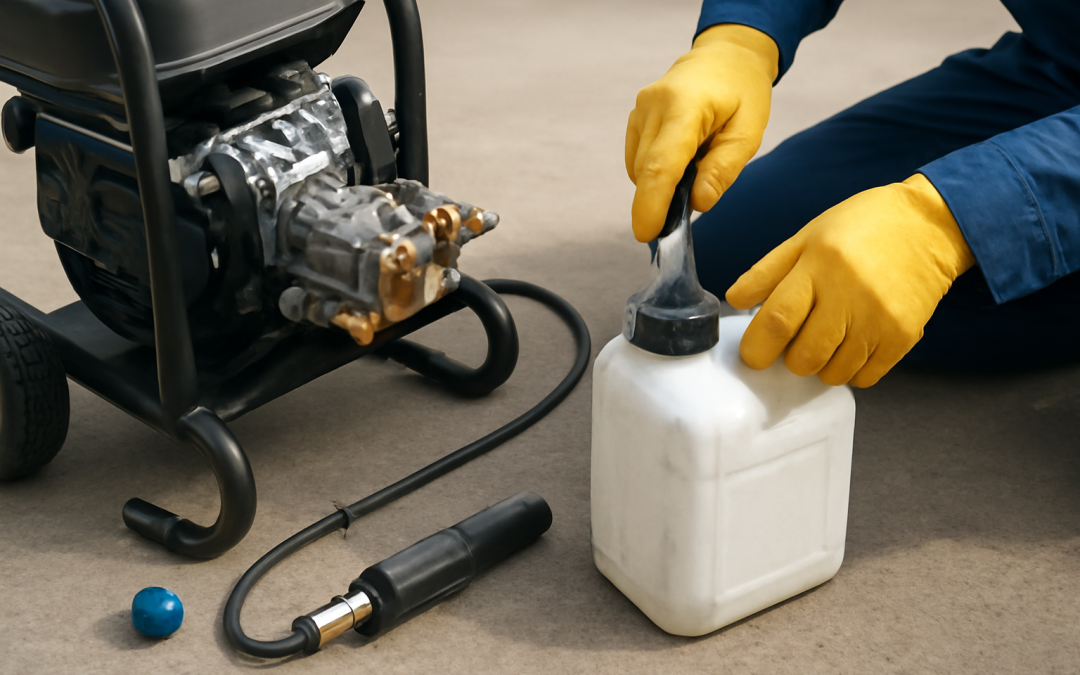
Another significant aspect of pressure washer maintenance involves winterizing or preparing the machine for storage during periods of inactivity. Residual water left in the pump and hoses can freeze, causing internal damage. Draining all water or using antifreeze solutions designed for pressure washers helps safeguard the system from freeze-related cracks. Storing the pressure washer in a dry, sheltered area away from extreme temperatures further prolongs its lifespan.
Maintaining the hose and wand components also contributes to the unit’s longevity. Hoses should be checked for leaks, cracks, or swelling caused by high pressure or chemical exposure. Damaged hoses not only reduce performance but may pose safety risks to users. Regularly cleaning the wand and connections prevents clogging and buildup that can limit water flow. When disconnecting and reconnecting hoses and accessories, ensuring proper seals and tight fittings avoids leaks and pressure loss.
Proper usage habits complement maintenance efforts and contribute to a pressure washer’s durability. Allowing the pump to run for several seconds after turning off the water supply helps relieve pressure buildup inside the system, preventing damage to seals and valves. Similarly, starting the machine on low pressure and gradually increasing the pressure helps avoid sudden stress on components. Avoiding running the pressure washer dry or letting it overheat also extends its functional life.
Chemical detergents and cleaning solutions play a significant role in the maintenance routine. Using only manufacturer-recommended detergents prevents damage to seals and internal parts, as harsh chemicals can accelerate wear or cause corrosion. After detergent use, thoroughly flushing the system with clean water clears all residues. This practice prevents clogging and corrosion inside the pump and spray nozzles, ensuring reliably consistent cleaning power.
Frequently inspecting visible parts such as the frame, wheels, and handles helps catch early signs of wear or damage that might affect usability. Keeping these parts clean and free from dirt or rust convinces that the pressure washer remains safely portable and stable during operation. Tightening loose nuts, bolts, or screws as part of routine checks prevents mechanical failures and preserves structural integrity.
Understanding the operational limits of the pressure washer also protects it from unnecessary strain. Avoiding sustained operation at maximum pressure reduces stress on the pump and motor. Monitoring water temperature within recommended levels prevents overheating or damage to seals, which are often sensitive to extreme temperatures. Proper water supply that meets the machine’s flow rate and pressure specifications ensures optimal performance without overloading components.
Many modern pressure washers come equipped with built-in cameras, sensors, or electronic controls that require their own care. Keeping sensor lenses clean and free from obstruction ensures accurate readings and operational safety. Updating firmware or software when applicable maintains optimal functionality and integrates the latest performance improvements or safety features. Ensuring these systems are not exposed to water ingress or physical damage maintains reliability.
Regular professional servicing can supplement in-house maintenance, especially for commercial-grade or heavily used pressure washers. Expert technicians can perform detailed inspections, replace worn internal parts, and conduct advanced diagnostics that go beyond routine user capabilities. Scheduling routine servicing annually or more often based on usage ensures that underlying issues do not escalate and extend the machine’s useful life.
Using appropriate storage practices during transport can prevent mechanical shocks and component damage. Securing the pressure washer properly and avoiding placing heavy objects on fragile parts such as hoses or nozzles prevent deformation or failure. Covering the machine during transit protects it from dust, moisture, and environmental contaminants that could impair function.
Adhering to manufacturer guidelines remains the cornerstone of effective maintenance. Every pressure washer model may have unique requirements regarding oil types, service intervals, and part replacements. Following the operator’s manual instructions carefully avoids voiding warranties and ensures all maintenance procedures are performed correctly. Keeping a maintenance log can help track performed tasks and anticipate upcoming service needs.
The benefits of thorough and consistent pressure washer maintenance extend beyond machine preservation. A well-maintained unit operates more efficiently, saving fuel, electricity, or water consumption during cleaning tasks. It also delivers better cleaning results, reducing the time and effort needed to complete jobs. Reliable functioning minimizes downtime caused by unexpected breakdowns, increasing productivity for professional users.
Environmental considerations also align with maintenance routines. Proper disposal of used oil, filters, and cleaning chemicals prevents contamination. Keeping the pressure washer leak-free reduces the risk of hydraulic fluids or fuel spills harming soil or waterways. Maintaining seals and hoses prevents leaks that can waste water or solvents, promoting more sustainable operation.
In summary, meaningful care of a pressure washer involves attention to several interconnected factors—regular inspections, cleaning of key components, adherence to proper operational practices, and appropriate storage. Consistently addressing these elements preserves internal and external parts, safeguards safety mechanisms, and ensures reliable output. Investing time in basic maintenance not only protects the machinery but also enhances user experience and operational efficiency, making every task smoother and more cost-effective.
by admin | Oct 4, 2026 | Home & Garden
Proper care and timely maintenance of garden equipment can significantly extend its lifespan and improve performance, and one of the most overlooked tools in this category is the hose reel. As winter approaches, ignoring the upkeep of your hose reel can lead to costly damages caused by freezing temperatures and moisture accumulation. Ensuring that your hose reel is well cared for before the cold season arrives is an essential task that can save you both time and money in the long run.
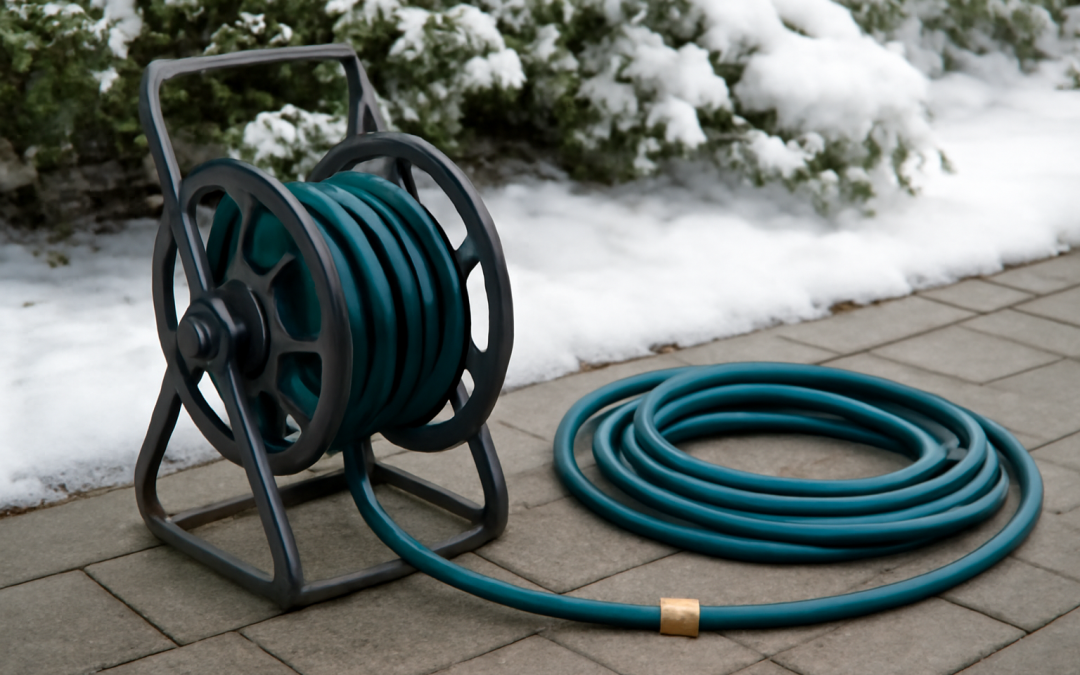
Hose reels come in various designs and materials, and they are purpose-built to conveniently store garden hoses, prevent tangling, and maintain hose condition. However, without routine maintenance, dirt, dust, and lingering water inside coils can wreak havoc on the mechanism and the hose itself. In particular, when temperatures drop below freezing, any residual water left on or inside the reel or hose can freeze, expanding and potentially causing cracks, leaks, or damage to the reel’s moving parts. A proper winter preparation routine can effectively eliminate these risks.
One of the first steps in caring for your hose reel is to inspect it thoroughly for signs of wear and tear. Check for rust on metal components, cracks on plastic parts, and general looseness in the reel mechanism. If the unit shows significant corrosion or damage, it might be worthwhile to consider repairing or replacing parts before winter sets in. Rust weakens the structural integrity and can accelerate the deterioration of the reel. Similarly, if the hose reel’s crank handle or swivel mechanisms feel stiff or rough, applying appropriate lubrication can keep them functioning smoothly and reduce the risk of breakage.
Draining the hose and the reel assembly is critical to winterize the equipment. Trapped water inside the hose or the reel housing is one of the main causes of damage during freezing weather. After disconnecting the hose from the water supply, fully unwind it and allow any water inside to drain out. Pressure within a closed loop can also cause damage when water freezes, so it is important to unhook the hose completely and coil it loosely on the reel in a way that allows for water to escape. For hose reels with internal swivel joints, consider flushing out these areas to prevent water accumulation.
Cleaning the hose reel and the hose before you store them can also significantly reduce the chance of damage. Dirt and organic debris can retain moisture, promoting rust and mildew growth. Washing the hose reel with mild soap and water and rinsing thoroughly helps to remove contaminants that can degrade materials over time. Once clean, the reel should be dried completely, preferably outdoors in a shaded area to avoid UV damage while drying. The hose should also be cleaned and allowed to dry to prevent mildew and mold growth. This is particularly important if your garden hose has been used with fertilizers or pesticides, which can be corrosive to the reel’s finish and internal components.
Where you store your hose reel during the winter months matters a great deal. Ideally, the reel should be kept indoors, in a garage, shed, or basement that stays above freezing temperatures. Indoor storage protects the hose reel from the severe weather elements such as heavy snow, ice, and fluctuating temperatures. If indoor storage is not possible, try covering the hose reel with a heavy-duty, waterproof cover to shield it from moisture and winter precipitation. Make sure that the cover fits well and does not trap moisture inside, as condensation can also cause damage.
Selecting the right kind of hose reel for your climate can be a preventive measure in itself. For colder regions, reels made from durable, rust-resistant materials such as aluminum or stainless steel are advisable. Plastic reels, while often lighter and less expensive, may become brittle in freezing temperatures and crack easily. Additionally, hose reels equipped with enhanced sealing mechanisms to prevent water ingress or reels with detachable hoses simplify winter storage and reduce the risk of damage.
Maintenance does not end with winter preparation; it is a year-round responsibility. Regularly inspecting your hose reel for damage, cleaning it periodically, and lubricating moving parts will ensure that it functions smoothly and lasts longer. Pay special attention to hose reel springs, which can weaken or break over time, rendering the reel’s winding mechanism ineffective. If a spring breaks during the cold of winter, the cold itself may have contributed to the failure. Replacing worn springs before winter can prevent this problem.
Another important component of hose reel care is managing the hose itself in tandem with the reel. Using a tape or strap to secure the hose loosely to the reel prevents it from unwinding or becoming tangled during storage. This not only neatly organizes your garden area but also prevents stress points on the hose that can develop cracks or leaks. Hoses made of rubber may stiffen in cold weather, so it is wise to invest in hoses designed for all-season use or those made from materials that maintain flexibility in cooler temperatures.
It is also beneficial to test your hose reel’s function before putting it into winter storage. Wind and unwind the hose to make sure the reel turns smoothly without resistance or noises that indicate internal friction or obstruction. During the test, check for leaks or weak spots on the hose itself, and take note of how well the reel locks into place. Identifying minor issues early means repairs can be done before temperatures drop and worsen damage.
Using corrosion inhibitors or protective sprays specifically formulated for garden tools can add an extra layer of protection to your hose reel. Applying these treatments to metal parts can prevent buildup of rust over the winter season. Just be cautious not to spray lubricants onto rubber or plastic components, as these substances can cause deterioration or surface damage. Carefully reading labels and following manufacturer recommendations is key when selecting products for maintenance.
If the hose reel is mounted on an exterior wall or attached to a water faucet, consider installing a frost-free hydrant during the colder months or using insulated faucet covers to prevent water in the pipe from freezing and causing pressure build-up. Frozen pipes can back up pressure into the hose and reel, potentially damaging them. Disconnecting the hose entirely and draining the water supply to those faucets before winter is a prudent practice.
In some situations, if a hose reel is an older model or not designed for frequent seasonal exposure, it might be time to upgrade to a more winter-proof design. Modern hose reels come with features such as quick-release couplings, anti-kink hose guides, and weatherproof coatings that make winter care less labor-intensive. While this requires an initial investment, the savings from avoiding repairs or replacements can quickly outweigh the cost.
Educating oneself about the specific maintenance needs of the hose reel brand and model can be invaluable. Many manufacturers provide care instructions tailored to their products that can optimize performance and prevent premature failure. Following these guidelines ensures that winter preparation is done correctly, maintaining warranties and receiving full benefit from the equipment.
Finally, patience and diligence in hose reel care pay off when spring arrives. A well-maintained and properly stored hose reel will operate smoothly, save time during garden setup, and avoid the frustrations of leaks or tangled hoses. Winterizing your hose reel is a proactive step that signals good stewardship of your gardening tools, protecting your investment and ensuring years of reliable use. Taking these precautions now creates less hassle and expense down the line, helping to maintain a healthy, enjoyable outdoor space year after year.
In conclusion, hose reel care combined with thorough winter preparation is essential to safeguarding your equipment from the damaging effects of cold weather. By inspecting, cleaning, draining, properly storing, and performing routine maintenance, you create an effective barrier against corrosion, cracking, and mechanical failure caused by freezing conditions. Thoughtful attention to the hose reel and hose not only extends their usable life but also enhances overall garden maintenance efficiency. When spring returns, the ease and reliability of a well-cared-for hose reel will be a testament to the time invested during the colder months, ensuring your landscaping tools are ready for action whenever needed.
by admin | Oct 3, 2026 | Home & Garden
Outdoor hoses are an essential tool for any homeowner, providing access to water for gardening, cleaning, and a variety of other tasks. However, without proper care, these hoses can become damaged, leading to leaks, cracks, and reduced longevity. Maintaining and storing your outdoor hose correctly ensures not only that it remains functional for many seasons but also that you avoid costly replacements. Understanding how to care for these hoses can improve their performance and ultimately save time and money.
One of the most important aspects of outdoor hose maintenance is regular inspection. Over time, hoses are exposed to sun, dirt, water pressure, and temperature changes, all of which can lead to wear and tear. It is crucial to examine the entire length of the hose for any visible signs of damage, such as cracks, splits, or bulges. Detecting minor issues early can prevent more significant problems from developing, as small cracks can expand under pressure and cause leaks. Additionally, checking the hose connectors or fittings is equally important since these parts can become rusty or loose, affecting the hose’s ability to deliver water effectively.
Cleaning the hose is another key step in its maintenance. Dirt, debris, and algae can accumulate on and inside the hose, particularly if it is stored outdoors or in damp environments. Flushing the hose with clean water helps remove any blockages or build-ups inside, ensuring smooth water flow. Using a mild detergent to wash the outer surface removes harmful substances that can degrade the hose material over time. By keeping the hose clean, you not only improve its appearance but also reduce the risk of deterioration caused by dirt and microbial growth.
Proper handling during use can significantly impact the hose’s lifespan. Dragging it across rough surfaces, stepping on it, or sharply bending it can cause damage that might not be immediately visible but will worsen with time. Avoiding these practices helps maintain the hose’s structural integrity. When using the hose, unroll only the needed length to reduce kinks and tangles. Kinks can obstruct water flow and weaken the hose material, leading to premature failure. After finishing, it’s advisable to drain the hose completely to avoid trapped water that can freeze in colder months, causing internal damage.
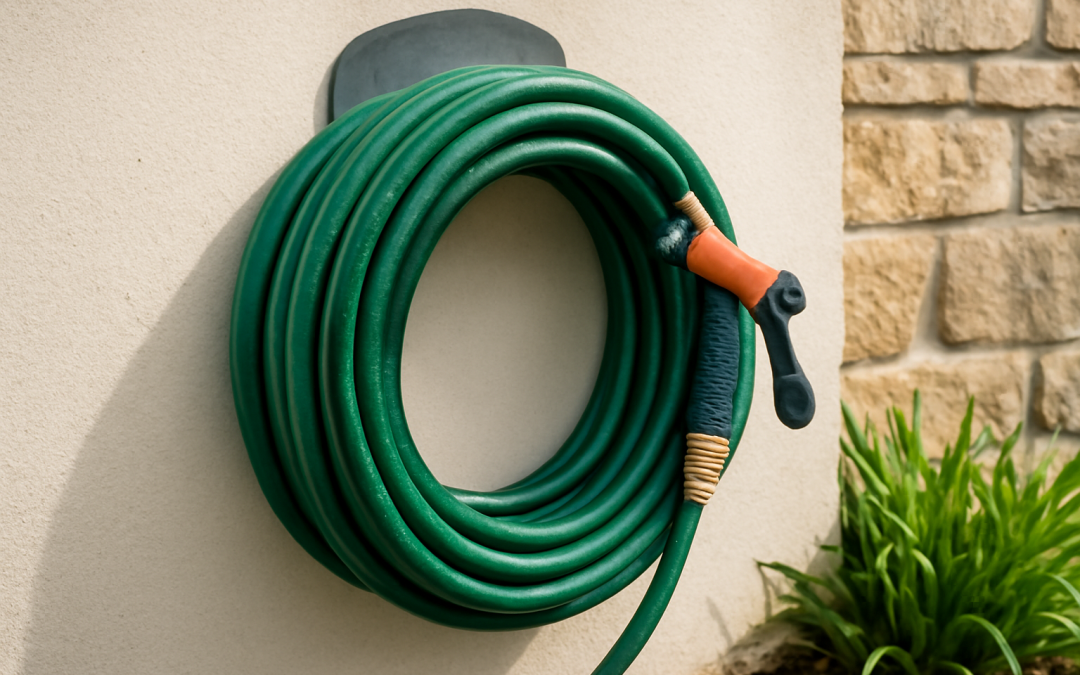
Storage plays a pivotal role in prolonging the life of an outdoor hose. Leaving a hose coiled on the ground or exposed to the sun can accelerate wear. To protect it from the elements, it is best to store the hose in a shaded area or inside a garage or shed when it’s not in use. Using a hose reel or hanger keeps the hose neatly coiled and off the ground, minimizing contact with abrasive surfaces and reducing the chance of tangling. When storing the hose for an extended period, especially during winter, completely drain it and store it in a dry, frost-free environment to prevent freezing and cracking.
Temperature fluctuations throughout the year can be detrimental to outdoor hoses. Extreme heat can cause the hose material to expand and weaken, while freezing conditions can make it brittle. It’s important to adapt your maintenance routine seasonally by draining and storing the hose indoors during colder months. During hot weather, avoid direct prolonged exposure to sunlight by storing your hose under cover whenever possible. This practice helps preserve the flexible and durable qualities of the hose, preventing it from becoming stiff and prone to damage.
Repairing minor damage promptly can extend the usability of an outdoor hose. Small leaks can often be patched using repair kits available in hardware stores. These kits typically include adhesive patches or replacement connectors, allowing you to fix punctures or worn fittings without replacing the entire hose. Learning basic repair techniques, such as cutting out damaged sections and reconnecting the hose with appropriate fittings, can save both money and resources. However, it is also important to recognize when damage is beyond repair and that replacing the hose is the safer and more effective option.
Selecting the right type of hose for your needs can influence its maintenance requirements. Hoses are made from various materials, such as rubber, vinyl, or reinforced textiles, each with different levels of durability and flexibility. Rubber hoses tend to be more resilient but heavier, while vinyl hoses are lightweight but more susceptible to kinks and damage. Understanding these differences can help you choose a hose that suits your climate and intended use. A higher-quality hose may have a higher upfront cost but will likely require less frequent repairs and replacements, offering better value in the long run.
Water pressure is another factor that affects hose longevity. Excessive pressure can strain the hose walls and connectors, increasing the risk of bursts or leaks. It is advisable to use a pressure regulator if your water supply exceeds the recommended pressure limit for your hose. Additionally, turning off the water supply when the hose is not in use reduces unnecessary wear and helps prevent accidental flooding. Regularly checking the pressure and flow rate during use ensures your hose is functioning within safe parameters and helps identify issues before they worsen.
Avoiding chemical exposure can also help extend the life of your outdoor hose. Some cleaning agents, fertilizers, or pesticides may react with the hose material, causing it to deteriorate faster. Rinsing the hose thoroughly if it comes into contact with harsh chemicals prevents absorption and damage. Additionally, storing the hose away from chemical storage areas reduces the likelihood of accidental contamination. Being mindful of what substances your outdoor hose encounters during its use and storage minimizes the risk of chemical degradation.
Incorporating a routine into your outdoor hose maintenance schedule can make all the difference. Setting aside time monthly or seasonally to inspect, clean, and store your hose properly ensures consistent care and helps catch any issues early. This routine becomes especially important before winter storage and following periods of heavy use. Establishing good habits around the care of your hose will not only keep it in peak working condition but also give you confidence that your watering system will be ready when you need it most.
Overall, effective upkeep and careful storage are essential practices to maximize the lifespan and performance of outdoor hoses. With just a little attention and preventative care, a hose can continue to provide reliable service over many years. By regularly inspecting, cleaning, repairing, and storing the hose appropriately, you minimize the risk of damage caused by environmental factors and improper handling. Investing time into proper maintenance ultimately pays off with convenience, efficiency, and savings on unnecessary replacements. Taking proactive steps to look after your outdoor hose will ensure that it remains a dependable tool for all your watering and outdoor needs.
by admin | Oct 2, 2026 | Home & Garden
In any environment where hardware maintenance and upgrades are routine, the importance of proper identification cannot be overstated. Labeling hardware for future repairs is a critical practice that not only streamlines the troubleshooting process but also significantly reduces downtime. Whether managing a small set of tools and equipment or overseeing an extensive inventory in a large facility, the clarity and accuracy of hardware labels directly impact the efficiency of repair personnel and the longevity of the devices involved.
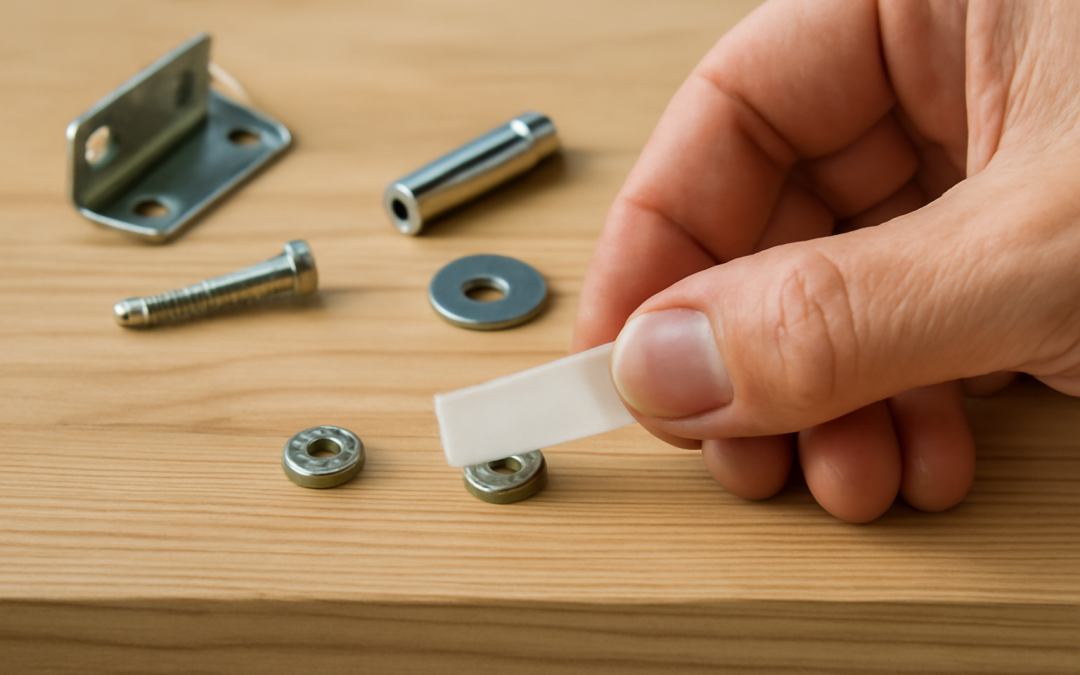
One of the primary reasons to implement a robust labeling system is to provide instant recognition of parts, components, and devices. When a piece of hardware is clearly labeled, technicians can quickly discern its specifications, installation date, model number, or service history without having to manually search for documentation. This facilitates faster diagnosis and minimizes the guesswork often associated with repairs. An organized labeling scheme also prevents the accidental replacement or reuse of incorrect parts, which can lead to further complications or even damage.
Moreover, labeling hardware creates a comprehensive trail of information that contributes to better asset management. Maintenance teams benefit immensely from records attached directly to the devices, allowing them to track when certain parts were last serviced or tested. This information helps in scheduling preventive maintenance before issues arise, reducing the likelihood of critical failures. As a result, businesses can maintain higher levels of operational reliability and extend the useful life of their equipment.
In environments with complex systems or interconnected components, the role of labels becomes even more vital. For instance, in industrial machinery or computer hardware setups, multiple individual parts often work in conjunction. Identifying which cable connects to which port or which circuit board belongs to a particular assembly can prevent errors during repair or replacement. Well-designed labels that include detailed information such as serial numbers, voltage ratings, or wiring color codes enable technicians to isolate problems with precision and avoid damaging adjacent parts during the process.
Choosing the right type of label material and information format is another important consideration. Labels must withstand the conditions to which the hardware will be exposed, such as heat, moisture, abrasion, or chemical exposure. Durable materials like vinyl, polyester, or laminated paper tend to perform well in harsh environments. In addition, the information printed on the label should remain legible over time. Using high-quality ink or laser printing prevents fading, ensuring that critical data remains accessible throughout the hardware’s lifecycle.
Besides physical durability, the content on the labels must be clear and unambiguous. Including relevant technical details such as manufacturer information, serial numbers, dates of installation, and last maintenance checks empowers repair technicians with quick access to essential data. For some systems, incorporating barcodes or QR codes that link to digital records can further enhance the repair process by providing access to manuals, schematics, or historical records at the technician’s fingertips.
Establishing a standardized labeling protocol minimizes confusion within maintenance teams and across different shifts or departments. When everyone follows the same format and terminology, the continuity of care for hardware is preserved regardless of personnel changes. Standardization also facilitates better training for new employees, as they can quickly familiarize themselves with the labeling conventions without having to decipher inconsistent or handwritten notes that are prone to error.
In addition to aiding immediate repairs, labeling hardware contributes to long-term strategic benefits. By compiling accurate data from labels during each maintenance cycle, organizations can identify trends in equipment performance and failure rates. This insight can inform purchasing decisions, help negotiate better warranties, and optimize inventory management. For example, recognizing a frequently failing component might lead to an upgrade in design or supplier to reduce future costs and downtime.
Technology advancements have introduced new tools that can complement traditional labeling methods. Radio-frequency identification (RFID) tags and Near Field Communication (NFC) chips embedded in hardware are gaining popularity for their ability to store and transmit detailed information wirelessly. These technologies allow technicians to scan components rapidly and retrieve data without physically reading the label, which is especially useful in environments where visibility is limited or when dealing with numerous parts simultaneously.
Despite the advantages of labeling hardware, some organizations still overlook this practice or implement it inconsistently. Lack of commitment to thorough labeling can result from budget constraints, time pressures, or undervaluing the long-term benefits. This oversight often leads to costly delays during repairs and increased chances of human error. Investing resources in comprehensive labeling systems upfront can produce substantial returns in operational efficiency and equipment lifespan.
Training and management support are crucial to maintaining effective hardware labeling. Regular audits ensure that labels remain intact and up-to-date, especially after maintenance or system upgrades. Clear accountability should be established so that personnel understand their role in applying and preserving correct labels. By fostering a culture that appreciates the value of detailed hardware identification, organizations ensure that this practice is integrated seamlessly into their maintenance routines.
Another consideration is the environmental impact and safety aspects related to labeling. Labels should be environmentally friendly when possible, avoiding toxic materials that could pose hazards during disposal. Additionally, labels must comply with safety regulations, such as including warnings or operational limits for hardware that poses risks during servicing. Properly labeled equipment reduces the likelihood of accidents, protecting both personnel and the hardware.
When implementing a labeling system, it is advisable to conduct a thorough inventory and assessment of all hardware assets before applying labels. This initial step ensures consistency and completeness, allowing for the identification of all components that require labeling. Documenting hardware condition during this process can also establish a baseline for future maintenance comparisons. Utilizing software tools to catalog this information can improve tracking accuracy and ease future audits.
In conclusion, the proactive labeling of hardware for future repairs is an indispensable practice in any maintenance and operations workflow. It provides clarity, preserves institutional knowledge, and facilitates quicker, safer repairs. Through durable materials, clear formatting, and standardized protocols, labels serve as a reliable communication tool between current and future technicians. Investing in this vital step yields substantial returns in asset longevity, cost savings, and operational reliability, making it a cornerstone of effective hardware management.
by admin | Oct 1, 2026 | Home & Garden
In any workspace where efficient assembly, maintenance, or repair activities occur, managing a vast array of fasteners can be a daunting challenge. The sheer variety of screws, bolts, nuts, washers, and other components, often differing in size, type, and material, demands an organized and systematic approach. Traditional storage methods, such as loose piles or unmarked containers, can result in wasted time searching for the right piece, leading to workflow interruptions and increased labor costs. The integration of advanced fastener storage systems offers a solution that fundamentally transforms the way these essential components are housed, categorized, and accessed.
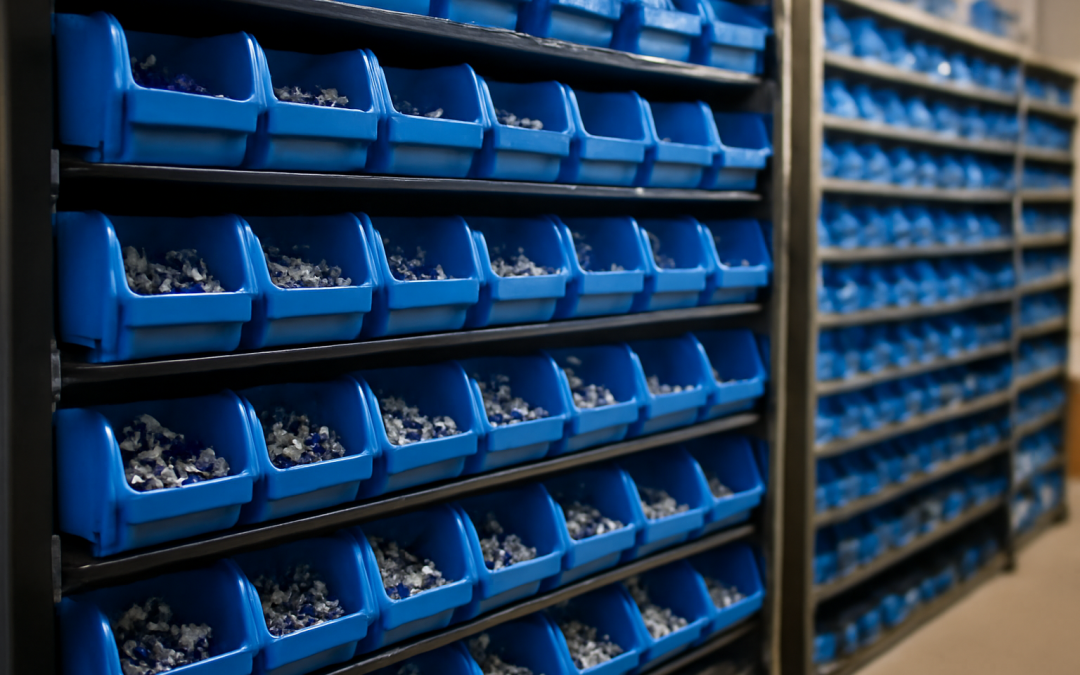
Modern fastener storage systems are designed to accommodate the diverse needs of various industries, from manufacturing plants to automotive repair shops and construction sites. They focus on improving accessibility while minimizing the footprint of storage solutions. At the heart of these systems lies the principle of categorization using specialized compartments, trays, or bins labeled clearly with part names, sizes, and specifications. This level of organization not only facilitates rapid retrieval but also helps in inventory control by making it easier to detect when supplies are running low.
One of the key features of effective fastener storage systems is their modularity. Modular systems allow businesses to customize their storage layouts depending on their specific inventory, workplace dimensions, and workflow patterns. Mobile carts equipped with adjustable bins give technicians the ability to transport needed fasteners to various locations on demand, reducing the time spent walking back and forth. Shelving units with stackable bins further optimize vertical space, making storage more efficient without sacrificing accessibility.
The utilization of transparent containers within these storage systems greatly aids visual identification, saving time that would otherwise be spent opening multiple boxes to inspect contents. Coupled with clear labeling, transparent compartments allow workers to quickly scan shelves and pinpoint required fasteners. Furthermore, when combined with digital inventory tracking systems, these modern storage solutions can even offer real-time data about stock levels, helping to prevent production delays caused by missing hardware.
Another significant time-saving aspect of fastener storage systems is their integration with ergonomic design principles. Cabinets and drawers are engineered to minimize bending, stretching, or awkward movements that typically slow down manual tasks. For example, fastener organizers often feature pull-out drawers or tilt-out bins at waist level, enabling workers to access parts without strain. This attention to ergonomics decreases the likelihood of fatigue and injury, contributing to higher productivity and workplace safety.
Moreover, some storage systems incorporate sorting trays with individual slots tailored to specific fastener sizes or types. Such customization streamlines the picking process, particularly in environments where a wide variety of fasteners must be used within a short timeframe. By eliminating guesswork and reducing the chance of selecting incorrect parts, these systems help maintain consistent quality in assembly and repair work.
In highly technical industries where precise specifications matter, fastener storage solutions often include a cross-referencing system. These reference guides might be printed directly on cabinet doors or included as part of digital inventory software. They enable workers to quickly match fastener sizes with applicable equipment or projects, streamlining decision-making and reducing errors. This integration ensures that the right fastener is chosen swiftly, minimizing downtime and enhancing overall operational efficiency.
For organizations aiming to further optimize their fastener management, automated storage and retrieval systems (AS/RS) present an innovative leap forward. These systems use robotics and computer software to store and dispense fasteners with remarkable speed and accuracy. By automating the selection and delivery process, AS/RS systems drastically reduce human error and the time spent on manual sorting and handling. While the initial investment in such technology may be higher, the long-term savings in labor and improvement in turnaround times often justify the expense.
The benefits of investing in well-designed fastener storage systems extend beyond mere time savings. They also enhance inventory control by enabling precise tracking of parts usage, which leads to smarter purchasing decisions and reduced excess stock. Organized storage decreases the risk of lost or damaged fasteners, preserving material quality and maintaining the integrity of projects. Additionally, tidier workspaces foster a safer environment by eliminating clutter that could cause accidents.
Adaptability is another hallmark of top-tier fastener storage solutions. As projects, teams, and workflows evolve, the storage system should be able to grow and change accordingly. Many offerings on the market feature flexible designs that allow for the easy addition or removal of bins and compartments. This scalability ensures that storage remains efficient regardless of fluctuations in inventory size or fastener types, future-proofing investments made by businesses.
In practice, the implementation of optimized fastener storage systems often results in measurable improvements in operational metrics. For instance, reduced search times lead to shorter job completion cycles, while better inventory accuracy decreases incidents of out-of-stock fasteners interrupting production. In workplaces where rapid turnaround is crucial, such as automotive repair shops or assembly lines, these time savings translate directly into increased throughput and profitability.
Training and employee buy-in also play critical roles in maximizing the benefits of well-organized fastener storage. Even the most sophisticated system will fail to deliver time savings if workers do not consistently adhere to prescribed organization and retrieval protocols. Consequently, management should invest in thorough training sessions and foster a culture that values tidiness, accountability, and efficient parts handling. By empowering workers to appreciate the significance of these systems, companies can sustain clean and orderly storage spaces and continually reap associated productivity gains.
The environmental impact of fastener storage systems is an additional consideration that is gaining traction across industries. By promoting reusability, minimizing packaging waste through bulk storage, and reducing the frequency of fastener scrappage, these systems contribute to sustainable business practices. Efficient storage also reduces the need for emergency rush orders, which often involve expedited shipping and increased carbon footprints. Businesses aiming to align with green initiatives will find fastener storage systems valuable not only for operational gains but also for corporate responsibility.
In comparing different types of storage systems, it becomes apparent that no one size fits all. Small workshops might benefit the most from compact wall-mounted organizers or desktop bin racks, while larger operations could see greater returns from extensive shelving with integrated digital inventory management. Factors such as the volume of fasteners, the complexity of projects, and available workspace should guide the choice of system. Conducting an initial needs assessment helps in selecting the solution that maximizes time savings without overwhelming the existing infrastructure.
As technology continues to advance, the future of fastener storage is likely to incorporate greater integration with the Internet of Things (IoT) and artificial intelligence. Smart storage units equipped with sensors can monitor stock levels continuously and automatically reorder fasteners as needed. Such systems could even leverage machine learning to predict usage patterns and optimize inventory accordingly. This futuristic approach promises to elevate operational efficiency to unprecedented levels, making fastener acquisition and usage virtually seamless.
In conclusion, organized and thoughtfully designed fastener storage systems offer substantial time-saving benefits that impact numerous facets of a business’s operation. By enhancing accessibility, enabling accurate inventory control, improving ergonomics, and fostering scalability and adaptability, these systems reduce downtime and increase throughput. Whether through modular shelving, transparent containers, automated retrieval, or smart digital integration, investing in efficient storage solutions yields returns that extend beyond immediate convenience—bolstering productivity, cost-effectiveness, and workplace safety. The discipline of proper fastener management is no longer ancillary but a critical component in achieving streamlined and competitive operations across various industries.