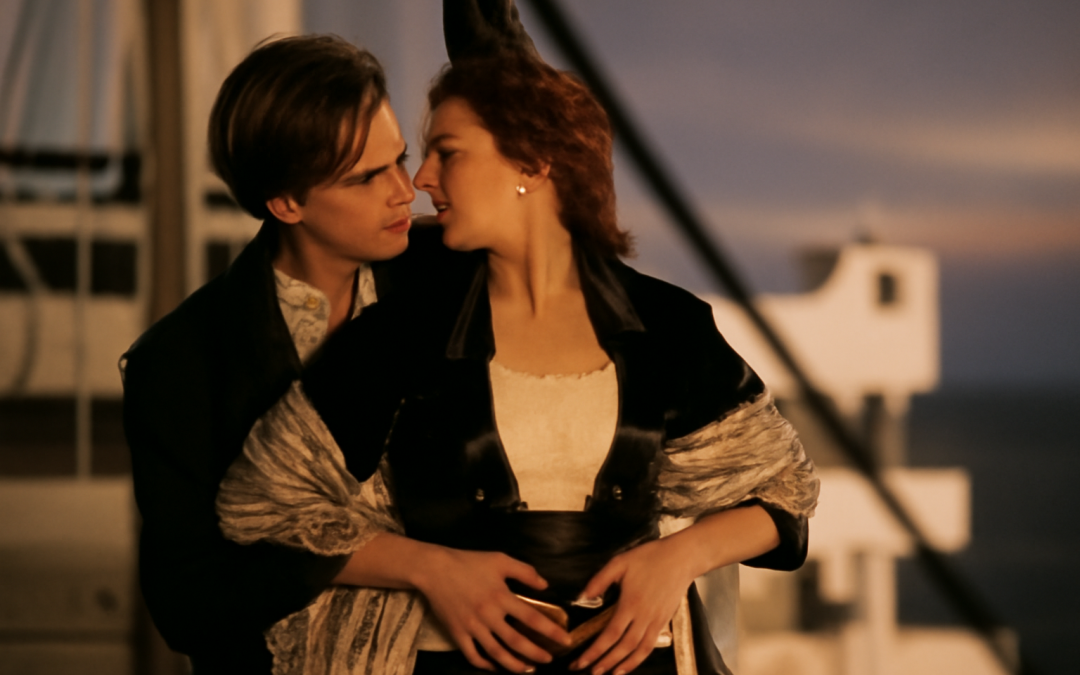
From the moment the grand ocean liner Titanic sets sail in its majestic glory, the film immerses viewers into a sweeping tale of love and tragedy that transcends time. The story revolves around Jack and Rose, two souls from vastly different worlds whose passionate romance unfolds on the doomed ship’s maiden voyage. This narrative framework allows the movie to explore themes of class division, human resilience, and the fleeting nature of life, all while anchoring the emotional core in a tender, forbidden love story.
The film’s opening sequences do more than just establish setting—they meticulously recreate the gilded atmosphere of the early 20th century, showcasing the Titanic as a floating palace where wealth and privilege are on full display. The meticulous attention to detail in costumes, set design, and atmospheric lighting draws the audience into a world where the upper class indulges in luxury, oblivious to the impending disaster. Against this opulence, Jack’s character emerges as an emblem of freedom and spontaneity, representing a stark contrast to the rigid social conventions embodied by Rose’s aristocratic milieu.
Central to the film’s enduring appeal is the chemistry between its lead actors, whose performances breathe life into the iconic love story. The way their relationship evolves—from a tentative attraction to a profound emotional connection—feels both organic and urgent. The use of intimate close-ups and lingering glances captures the vulnerability and exhilaration of young love, making their romance resonate long after the ship’s fate is sealed. This coupling not only humanizes the historical tragedy but also serves as a narrative vehicle to explore issues of identity, societal expectation, and personal liberation.
What elevates the romance amid disaster is how the filmmakers intertwine personal drama with the escalating tension of the sinking ship. The gradual transition from a dreamlike voyage to a chaotic fight for survival mirrors the intensifying stakes faced by the characters. This juxtaposition adds layers of emotional depth and suspense as the idyllic world shatters in tandem with the Titanic itself. The use of visual effects and sound design amplifies the sense of claustrophobia and impending doom, while the characters’ individual struggles and sacrifices underscore the human cost of the catastrophe.
The supporting cast significantly enriches the narrative tapestry, bringing to life a diverse range of passengers and crew whose stories provide context to the broader disaster. From the stern but conflicted ship captain to the unscrupulous antagonists who prioritize social standing over human life, these characters add complexity and moral ambiguity to the plot. Their interactions with Jack and Rose also highlight the film’s commentary on the rigid class system, illustrating how tragedy often strips away social facades to reveal the fundamental equality—and fragility—of all lives aboard.
Another noteworthy aspect is the film’s direction, which masterfully balances grand spectacle with intimate moments. Elaborate sequences, such as the dining scenes and the underwater shots of the wreck, demonstrate technical prowess and narrative ambition. Yet amidst these, quieter moments like Jack sketching Rose or their dance in the third-class quarters provide heartfelt respites that deepen emotional engagement. This rhythm ensures that the audience remains invested not just in the spectacle of disaster but in the personal journey of the protagonists.
Musically, the score plays a pivotal role in shaping the film’s mood. The haunting melodies effortlessly evoke a sense of nostalgia and loss while uplifting themes celebrate youthful hope and defiance. The soundtrack’s ability to underscore the emotional highs and lows enhances the viewing experience, making key scenes more poignant. Music becomes a silent narrator, guiding the audience’s feelings and highlighting the timelessness of the story’s central romance during moments of joy and despair.
The cinematography deserves particular praise for its evocative use of light and movement. The way the camera captures the vastness of the ocean and the claustrophobic interiors of the ship contributes to a feeling of both awe and entrapment. These visual choices reinforce the narrative tension, heightening the sense that the characters are caught in an uncontrollable force of nature. Additionally, the transitions between past and present through flashbacks are handled smoothly, lending a poetic structure to the storytelling that connects memory and tragedy.
Beyond the aesthetic elements, the script offers a layered exploration of human nature under duress. Dialogues often reveal the complexity of characters’ motivations—fear, courage, selfishness, and compassion—making them relatable and multidimensional. The tension between duty and desire is a recurring motif, especially in Rose’s internal conflict as she struggles between societal constraints and the freedom symbolized by Jack. These thematic nuances enrich the romantic narrative and invite reflection on the broader implications of choices made in moments of crisis.
Historical accuracy, though occasionally sacrificed for dramatic effect, remains a significant strength of the film. The depiction of the ship’s architecture, the details of life onboard, and the portrayal of real-life figures ground the story in a tangible reality. This fidelity enhances the emotional impact by reminding viewers that the tragedy was not just fictional but a profoundly human event. The blending of fact and fiction in the romance makes the story accessible without diminishing the gravity of the disaster, allowing audiences to connect emotionally while appreciating the historical context.
The emotional resonance of the film fundamentally stems from its ability to tap into universal themes—love, loss, hope, and the human spirit’s endurance. As the Titanic sinks, the romance does not fade but intensifies, becoming a symbol of life’s preciousness and the power of connection amid chaos. The final scenes linger in the memory, serving as a testament to the enduring impact of love even in the face of overwhelming tragedy. This duality of romance amid disaster is what cements the film’s place as a timeless cinematic achievement.
Ultimately, the film offers more than a mere recounting of a historic catastrophe. It stands as a poignant meditation on the value of human connection and the choices that define us when confronted with mortality. Through its lush visuals, compelling performances, and layered storytelling, it reminds viewers that even in the darkest of circumstances, love can bloom and illuminate the path forward. This enduring message ensures that the romance set against the Titanic’s ill-fated voyage remains etched in cultural memory, a beautiful tragedy that continues to captivate hearts across generations.