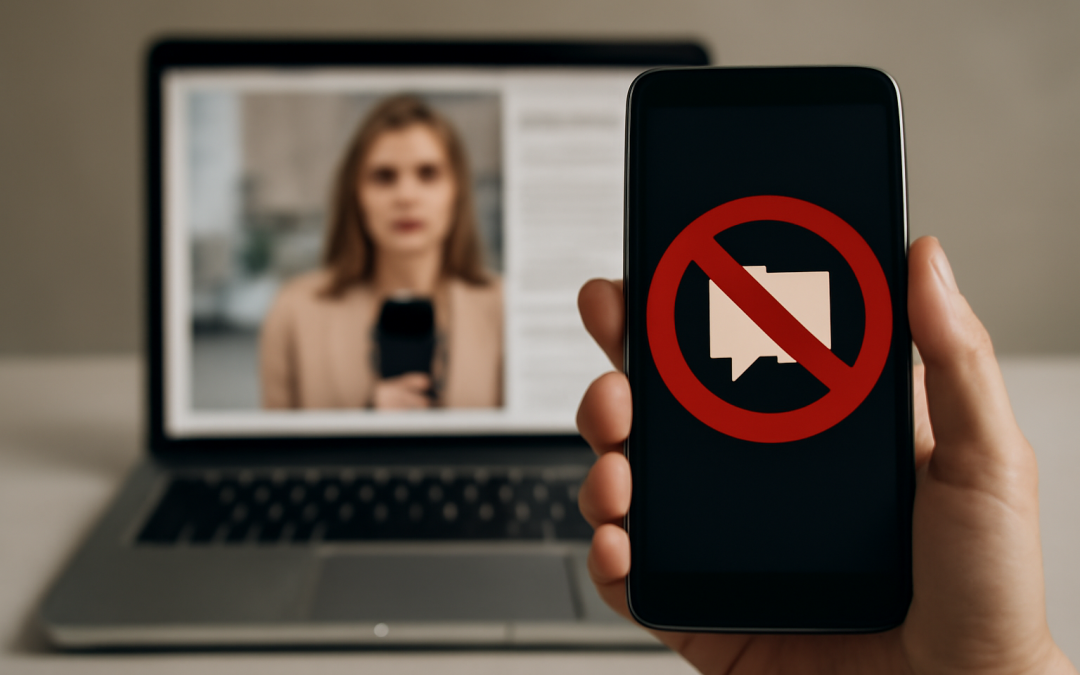
The phenomenon known as cancel culture has emerged as one of the most contentious and transformative forces shaping public discourse in recent years. At its core, cancel culture involves the collective withdrawal of support from individuals, organizations, or even brands following actions or statements perceived as offensive, harmful, or socially unacceptable. While the concept may seem straightforward, the dynamics behind it are deeply entwined with the media’s role in amplifying narratives, shaping perceptions, and influencing the public’s response. Understanding how cancel culture interacts with media dynamics is essential to grasp its implications for society, freedom of expression, and the nature of accountability.
Media platforms—ranging from social networks to traditional news outlets—serve as the primary battleground where cancel culture unfolds. Social media, in particular, has revolutionized the speed and scale at which information spreads. When a controversial incident occurs, it can rapidly become viral, attracting widespread attention and often sparking heated debates and calls for accountability. This immediacy acts as a double-edged sword. On one hand, it empowers marginalized voices by offering them a platform to speak out against injustices or inappropriate behavior. On the other hand, it can foster a culture of instant judgment, where context and due process are overlooked in favor of swift condemnation.
One of the key aspects of cancel culture’s relationship with media is the way narratives are framed. Traditional media outlets often pick up on viral incidents trending on social media, sometimes amplifying outrage without fully investigating the nuances involved. Headlines crafted for clicks and engagement may unintentionally—or intentionally—exacerbate conflicts by highlighting the most provocative elements of a story. This cycle of amplification can create a feedback loop in which public outrage grows disproportionately, causing those targeted to face overwhelming backlash. The resulting environment can discourage open dialogue and critical thinking, reducing complex issues to simplistic moral judgments.
At the heart of this dynamic lies the power of social media algorithms, which are designed to prioritize content that elicits strong emotional reactions. Posts that generate anger or outrage tend to receive higher engagement, leading platforms to promote these stories more aggressively. Such mechanisms can intensify the fervor surrounding cancel culture incidents, as users continually encounter content that reinforces their emotional response. The result is often a polarized online landscape where nuanced perspectives are drowned out by more sensational or divisive narratives.
Another important dimension is the role of influencers and celebrities in fueling or combating cancel culture. High-profile individuals can use their large followings to either call out problematic behavior or mobilize support for those facing cancellation. In some cases, public figures inadvertently contribute to the problem by reacting impulsively or engaging in what critics call “digital mobbing,” where collective outrage becomes performative and punitive. Celebrities themselves have been frequent targets of cancel culture, facing professional and social consequences for past actions or controversial statements. This dynamic underscores the precarious balance between holding people accountable and allowing room for growth, apology, and redemption.
The consequences of cancel culture amplified by media dynamics reach beyond individuals to affect broader societal and cultural processes. On one level, the threat of being canceled can act as a deterrent against harmful behavior, pushing organizations and individuals to reconsider their actions and language. This potential for positive change should not be dismissed, as it reflects a growing demand for social justice and respect. Yet, the zero-tolerance approach often seen in media-driven cancel campaigns can also promote fear and self-censorship, stifling creativity, free speech, and honest conversations about complex issues.
Furthermore, the phenomenon has exposed the gaps and limitations within traditional institutions of accountability. Legal systems, workplace disciplinary procedures, and professional associations may move more slowly or lack transparency. Cancel culture, powered by media exposure, sometimes functions as an informal and immediate alternative, taking matters into public hands. While this can highlight failures within established systems, it also raises questions about the fairness and proportionality of punishments meted out in the court of public opinion. The lack of clear guidelines or standards within cancel culture complicates the assessment of justice and appropriate response.
Media literacy and critical engagement have become increasingly important in navigating the landscape shaped by cancel culture. With the proliferation of misinformation, half-truths, and emotionally charged content, consumers of media must develop the ability to scrutinize sources, differentiate between fact and opinion, and appreciate deeper contexts. Understanding the strategic motivations behind certain media representations—such as the desire for revenue, influence, or agenda promotion—helps viewers, readers, and social media users avoid impulsive reactions and consider multiple perspectives before forming judgments.
Moreover, cancel culture and media dynamics intersect with broader social and political trends related to identity, power, and representation. Movements advocating for racial, gender, and environmental justice have leveraged the power of social media to demand change and accountability. In these contexts, cancel culture can be seen as part of a larger struggle to amplify marginalized voices that have historically been silenced or ignored by mainstream media. Nonetheless, the media’s sometimes sensationalist treatment of these issues risks trivializing or distorting the underlying causes and goals, leading to backlash and polarization.
In addition, the role of anonymity and distance afforded by online platforms plays a critical role in shaping cancel culture behaviors. Online anonymity can embolden individuals to express harsh judgments and harshly criticize without the traditional constraints of face-to-face interaction. This detachment can promote a cruelty and rigidity that physical social settings typically mitigate. Media dynamics exploit these tendencies, often highlighting the most extreme voices and commentaries, which can distort the public’s understanding of a broader, more diverse range of opinions.
Corporate media responses to cancel culture also reveal important dynamics. Companies often find themselves needing to respond quickly to public pressure when controversies arise, sometimes issuing apologies, terminating contracts, or launching public relations campaigns to manage perceptions. These responses are frequently influenced by the media spotlight and the fear of reputational damage. While such actions can demonstrate corporate responsibility and empathy, they can also appear performative, structured more around brand protection than genuine change.
It is also worth noting the geographic and cultural variability in how cancel culture manifests and interacts with media systems. In some societies, where free speech protections may be weaker or state control over media more pervasive, cancel culture might be weaponized to suppress dissent or enforce conformity. Conversely, in open media environments, the abundance of diverse platforms can both empower grassroots movements and contribute to fragmentation and echo chambers. These differing contexts highlight the importance of situating cancel culture analysis within local media, political, and cultural frameworks.
The personal toll of cancel culture, magnified by media dynamics, can be profound. Individuals targeted often experience emotional distress, public shaming, and professional consequences that affect their livelihoods and mental health. Media coverage intensifies these effects by sustaining public scrutiny and sometimes framing individuals as irredeemable villains. This raises ethical questions about journalistic responsibility, the balance between newsworthiness and harm, and the potential for media-fueled cancel culture to inadvertently perpetuate cycles of harassment or bullying.
Looking forward, the evolution of technology and media platforms will undoubtedly continue to shape the landscape of cancel culture. Emerging tools such as artificial intelligence-driven content moderation, blockchain for transparency in media, and decentralized social networks may either mitigate or exacerbate these dynamics. It is likely that new norms and policies will emerge in response to public debates about fairness, accountability, and the limits of digital social control.
Ultimately, the interplay between cancel culture and media dynamics is a reflection of broader societal transformations concerning communication, justice, and communal values. While media technologies enable rapid mobilization and democratization of voices, they also challenge us to reconsider how we define accountability, foster empathy, and engage in meaningful dialogue amid fast-paced and emotionally charged environments. The path forward requires not only technological and institutional innovations but also a collective commitment to critical media consumption, ethical communication, and respect for both individual dignity and social equity.
By confronting the complexities of cancel culture through the lens of media dynamics, we gain a deeper understanding of the cultural currents shaping contemporary public life. It invites ongoing reflection about how societies can hold wrongdoers responsible without sacrificing principles of fairness and redemption, how media can be harnessed for positive social change rather than mere sensationalism, and how digital communities can cultivate resilience amidst often unforgiving and polarized discourse. The challenge lies in balancing the power of media with the imperatives of justice, empathy, and constructive engagement in the digital age.