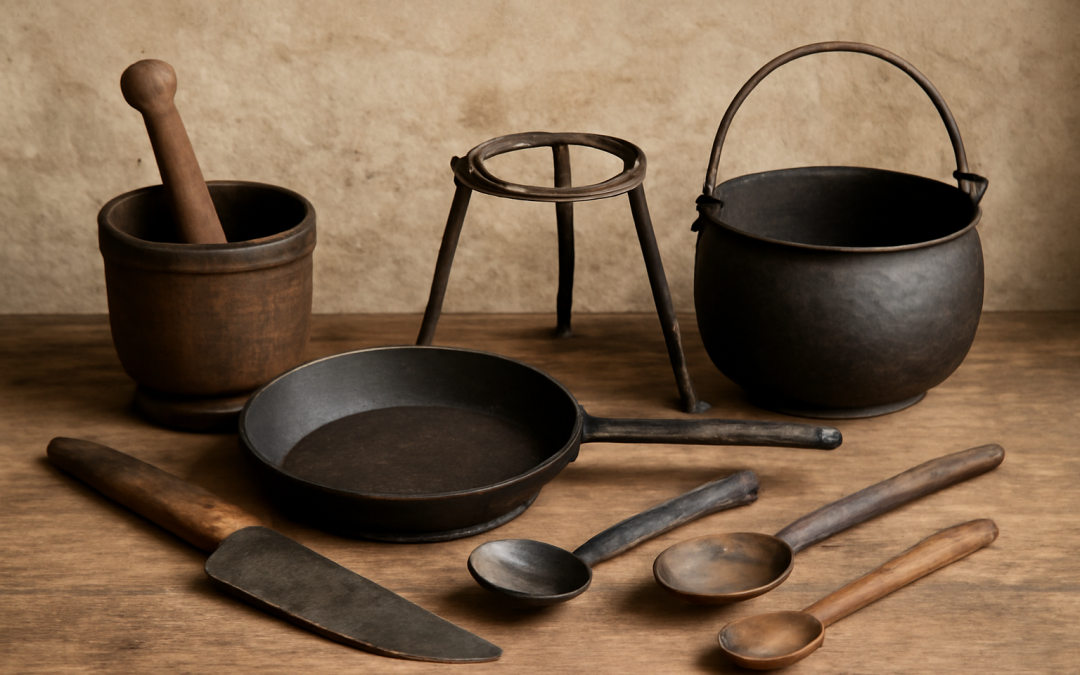
In the heart of medieval households, the kitchen was a bustling center of activity where food preparation was both an art and a necessity for survival. Unlike modern kitchens equipped with electric appliances and sleek gadgets, the medieval kitchen relied on a wide array of tools fashioned from wood, iron, and clay — each crafted to aid in the complex process of cooking over open fires and primitive hearths. These tools not only reflect the technological ingenuity of the period but also offer insights into the daily rhythms and rituals of medieval life.
One of the most essential implements in any medieval kitchen was the mortar and pestle. Used extensively for grinding herbs, spices, grains, and medicines, this tool represented the cornerstone of flavoring and food preparation. Mortars were typically made from stone or hardwood, materials sturdy enough to withstand repeated pounding, while pestles were shaped to fit comfortably in the hand. The use of the mortar and pestle illustrates the medieval cook’s reliance on manual labor, as everything was processed by hand before it could be added to stews, breads, or sauces.
The spit, or a long rod used to roast meat over a fire, was another crucial tool in the medieval culinary arsenal. Since ovens were rare or reserved for baking bread, large cuts of meat were often cooked by slow roasting. The spit was typically made of iron and required constant turning, sometimes via a mechanical spit jack powered by a dog wheel or a treadwheel mechanism. This labor-intensive method allowed cooks to achieve even cooking and a tantalizingly crisp exterior, essential for feasts and everyday meals alike.
Knives held a place of great importance in the kitchen; however, their use was not limited to cutting alone. Because forks were uncommon until much later centuries, knives often doubled as eating utensils at the table. In the kitchen, large boning knives and cleavers were employed to process game, poultry, and fish. These knives were forged from iron or steel and often featured broad, sturdy blades designed to slice through tough sinew and bone. The maintenance of these tools was paramount, with frequent sharpening needed to ensure efficiency in food preparation.
Another indispensable medieval kitchen implement was the cauldron. Suspended over a fire by a hook or chain attached to a tripod or chimney hook, cauldrons varied in size but were generally made of cast iron. Their versatility was unmatched, enabling cooks to boil, stew, and simmer ingredients in abundance. The shape of the cauldron, often rounded with a wide opening, allowed for easy stirring and stirring was performed with long wooden spoons designed specifically for this purpose.
Pestles and mortars, spits, knives, and cauldrons formed only a fraction of the complex array of tools that medieval cooks depended upon, but they were complemented by several other noteworthy devices. The bread oven, often constructed from stone or clay and located either within or adjacent to the kitchen, was the domain of the baker or house cook with expertise in baking. Bread ovens required careful tending, with residual heat after burning wood inside being utilized to bake loaves and flatbreads. Tools like wooden peel boards were used to place dough inside the oven and retrieve the finished product, showcasing how the kitchen contained tools designed not just for preparation but for the artful handling of food throughout the cooking process.
In addition to tools used directly in food preparation and cooking, storage containers played a vital role in medieval kitchens. Large ceramic or wooden barrels, crocks, and bins were commonly employed to store grains, salted meats, and preserved goods. These containers helped to keep food fresh for longer periods, which was critical when refrigeration was nonexistent. The durability and practicality of such containers highlight the ingenuity of medieval households in preserving and organizing their resources.
The role of fire and smoke in the cooking process cannot be overstated in relation to medieval kitchen tools. Hearths, whether large stone constructions in castles or simpler fireplaces in rural homes, were the focal point around which all culinary activity revolved. Various accessories supported the management of the fire, such as bellows, which were used to stoke flames and increase heat, and pokers for adjusting logs. The careful control of heat was necessary for successful cooking and was a skill facilitated by these essential instruments.
Equally significant was the presence of sieves and strainers. Crafted from metal mesh or woven materials, these tools were indispensable for separating meal from chaff or for straining stocks and broths. The refinement of dishes often depended on the ability to filter out impurities and obtain a smooth or clear consistency, making these tools a staple in the evolution of medieval cuisine.
Besides the cooking tools themselves, preparation equipment such as graters and mincers reveal much about medieval methods of food processing. Graters, often fashioned from rough metal plates, allowed cooks to shred vegetables, cheese, or spices into finer pieces, facilitating incorporation into various dishes. Mincers were used for chopping meat, enabling cooks to prepare pates and sausages, which were common ways to utilize the whole animal. The development of these tools speaks to the culinary sophistication achieved during the medieval period, where texture and presentation were given considerable attention alongside flavor.
An interesting category of kitchen tools was the vessels used for pouring and measuring liquids. Jugs, pitchers, and ladles made from materials such as clay, wood, or metal were vital for handling everything from water and wine to broth and oils. These tools were carefully crafted to serve practical needs, such as transferring liquids safely and minimizing wastage, showing a nuanced understanding of both function and form.
The preservation of food in medieval times also necessitated specific kitchen aids. Salt boxes or chambers, designed to hold salt in an accessible yet protective manner, were essential given salt’s role in curing and preserving meats and fish. Smokers, or areas designated for hanging meat and fish over slow-burning fires, often integrated racks and hooks to facilitate the process. These devices highlight the interconnectedness of kitchen tools, food preparation, and storage in the medieval culinary ecosystem.
Chamber pots and utensils dedicated to cleaning and maintenance further contribute to our understanding of medieval kitchens. Sponges, cloth rags, and scrubbers fashioned from natural fibers were employed to keep kitchenware clean, underscoring the attention paid to hygiene even within the limits of the time period. The design and use of these cleaning tools also emphasize that the medieval kitchen was a highly functional workspace, aimed at efficient turnover and reuse of equipment.
One cannot overlook the sociocultural significance embedded in medieval kitchen tools. In large households, especially in castles or monasteries, these utensils often symbolized status and hierarchy. The quality of materials and craftsmanship could denote the wealth and prestige of the household, while specialized tools were allocated to skilled cooks or servants to underscore their roles. Some tools were even inscribed or decorated, blending utility with artistry and marking them as treasured possessions within the domestic sphere.
Moreover, regional variations in the design and use of kitchen tools reflect the diverse culinary traditions across medieval Europe. In Mediterranean areas, for example, tools adapted to handle olive oil, herbs, and seafood, whereas northern regions featured implements suited to heavier meats and brewed beverages. This geographical diversity enriches our understanding of how medieval kitchen tools were not universally standardized but rather tailored to local environments, available resources, and cultural preferences.
Examining cooking tools from the medieval period also brings to light the broader economic and technological contexts of the era. The production of iron implements required blacksmithing expertise, a craft vital not just for kitchens but for agriculture, warfare, and construction. Similarly, potters and woodworkers contributed their skills to create vessels and implements that would withstand the harsh conditions of daily use. This interdependence of trades reflects the collaborative nature of medieval economies and the pivotal role of domestic kitchens within them.
With so many tools crafted by hand and used intensively, wear and repair were common concerns in medieval kitchens. Housewives or designated servants might spend considerable time mending wooden handles, sharpening blades, or patching cracked pots. This culture of maintenance ensured that kitchen tools remained effective and extended their lifespan, highlighting a sustainable approach to household management well before modern environmental concerns became prominent.
While the function of many medieval kitchen tools may seem daunting by today’s standards, their design often demonstrated remarkable ingenuity and efficiency. For instance, the use of tripod stands or cranes to suspend pots over the fire allowed cooks to regulate heat easily and cook multiple dishes simultaneously. This modular approach to the hearth facilitated teamwork within the kitchen and optimized the use of limited space and resources.
In exploring medieval kitchen tools, it becomes clear that these objects are much more than relics of the past; they are tangible links to a world where culinary habits, technology, and social structures intertwined closely. The mastery required to wield these tools shaped the daily lives of countless individuals, from peasants to nobility, and contributed profoundly to the cultural fabric of medieval society.
Understanding the breadth and depth of medieval kitchen tools offers modern readers a richer perspective on the historical development of cooking technology and domestic life. Through these implements, we glimpse the challenges and triumphs of everyday survival and celebrate the creativity and resilience of a bygone era. Whether fashioned from humble wood or sturdy iron, each tool carries stories of human ingenuity, resourcefulness, and the timeless desire to transform simple ingredients into nourishing meals.